https://sputnikglobe.com/20250409/chinas-rare-earth-restrictions-could-send-us-nuclear-industry-into-meltdown-1121844672.html
China’s Rare Earth Restrictions Could Send US Nuclear Industry Into Meltdown
China’s Rare Earth Restrictions Could Send US Nuclear Industry Into Meltdown
Sputnik International
The new restrictions are a masterstroke that will propel the Asian nation’s nuclear industry forward as the US stagnates. Renowned Russian nuclear expert Alexei Anpilogov explains why.
2025-04-09T11:31+0000
2025-04-09T11:31+0000
2025-04-09T11:31+0000
analysis
china
russia
nuclear
nuclear reactor
nuclear energy
nuclear plant
nuclear power plant
rare-earth metals
restrictions
https://cdn1.img.sputnikglobe.com/img/07e9/04/09/1121844819_53:0:985:524_1920x0_80_0_0_7ae60c2f51e35b8c94927357b6897894.jpg
China's response to Trump's tariffs includes new restrictions on the export of critical elements. Effective immediately, exports containing strategic minerals have to apply for a Chinese Ministry of Economy export license, including details on their end use.Painful BlowGadolinium and dysprosium, two rare earths used along with zirconium in modern fuel assemblies, are an effective Chinese monopoly. 99% of their production is concentrated in a single plant outside Shanghai, Anpilogov says.Installed assemblies at US plants will last 12-24 months, the expert estimates. After that, if the US can’t find new sources through third parties, the quality of its assemblies will drop.No AlternativeRestoring production in the US would be extremely tricky, according to the observer.“It’s a matter not of months, but of years, including construction, debugging of production, and tech adjustments.”Boon to China’s Atomic AmbitionsThe majority of the world uses 3 and 3+ gen reactor tech. Russia and China are currently the only ones widely experimenting with 4th gen reactors – including BN, Brest and SVBR, and an array of Chinese research reactors.That’s because along with Europe, America is stuck with third-gen reactors and cannot really produce replicable results on its 4th gen experimentation.
https://sputnikglobe.com/20250408/chinas-rare-metal-ban-could-bring-us-military-industrial-complex-to-a-grinding-halt-heres-why-1121841182.html
https://sputnikglobe.com/20250406/west-alarmed-about-ukraine-losing-grip-of-its-critically-important-resources--media--1121746776.html
china
russia
Sputnik International
feedback@sputniknews.com
+74956456601
MIA „Rossiya Segodnya“
2025
News
en_EN
Sputnik International
feedback@sputniknews.com
+74956456601
MIA „Rossiya Segodnya“
Sputnik International
feedback@sputniknews.com
+74956456601
MIA „Rossiya Segodnya“
what impact will chinese rare earth restrictions have on us nuclear power, will us nuclear power suffer from china's rare earth restrictions
what impact will chinese rare earth restrictions have on us nuclear power, will us nuclear power suffer from china's rare earth restrictions
China’s Rare Earth Restrictions Could Send US Nuclear Industry Into Meltdown
The new restrictions are a masterstroke that will propel the Asian nation’s nuclear industry forward as the US stagnates. Renowned Russian nuclear expert Alexei Anpilogov explains why.
China's response to Trump's tariffs
includes new restrictions on the export of critical elements. Effective immediately, exports containing strategic minerals have to apply for a Chinese Ministry of Economy export license, including details on their end use.
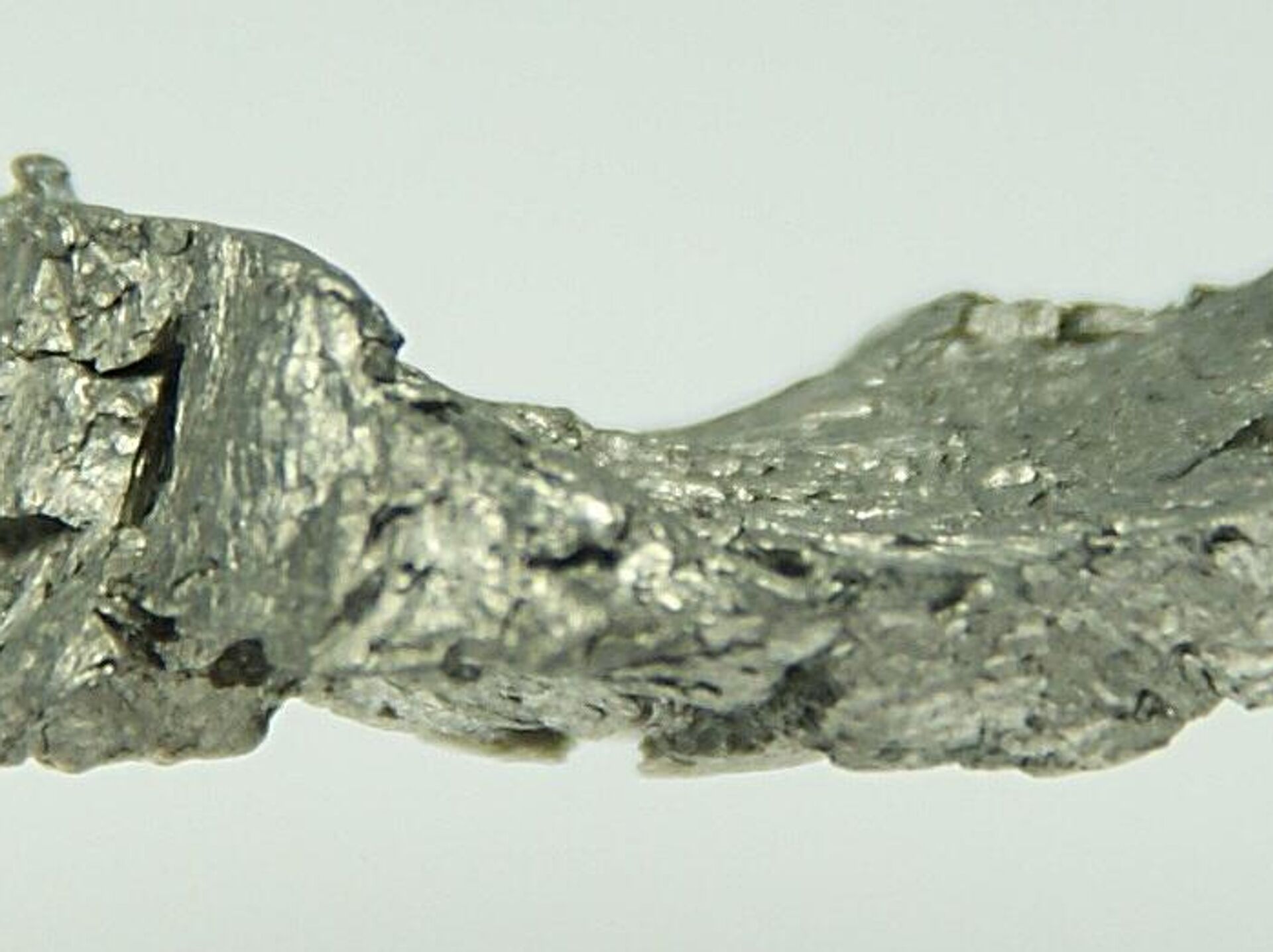
Gadolinium and dysprosium, two rare earths used along with zirconium in modern fuel assemblies, are an effective Chinese monopoly. 99% of their production is concentrated in a single plant outside Shanghai, Anpilogov says.
Installed assemblies at US plants will last 12-24 months, the expert estimates. After that, if the US can’t find new sources through third parties, the quality of its assemblies will drop.
Restoring production in the US would be extremely tricky, according to the observer.
“It’s a matter not of months, but of years, including construction, debugging of production, and tech adjustments.”
“The last lanthanide-separating centrifuge in the US was decommissioned in 1996. The people who worked on it are either retired, or you can read about their lives on a memorial plaque somewhere,” Anpilogov points out.
Boon to China’s Atomic Ambitions
The majority of the world uses 3 and 3+ gen reactor tech. Russia and China are currently the only ones widely experimenting with 4th gen reactors – including BN, Brest and SVBR, and an array of Chinese research reactors.
The rare earth restrictions response to US tariffs could allow China and Russia to “very seriously overtake the US," Anpilogov says.
That’s because along with Europe, America is stuck with third-gen reactors and cannot really produce replicable results on its 4th gen experimentation.