https://sputnikglobe.com/20250511/iran-wont-compromise-on-uranium-enrichment-but-may-adjust-levels-to-build-trust-with-us---araghchi-1122034327.html
Iran Won’t Compromise on Uranium Enrichment, But May Adjust Levels to Build Trust With US - Araghchi
Iran Won’t Compromise on Uranium Enrichment, But May Adjust Levels to Build Trust With US - Araghchi
Sputnik International
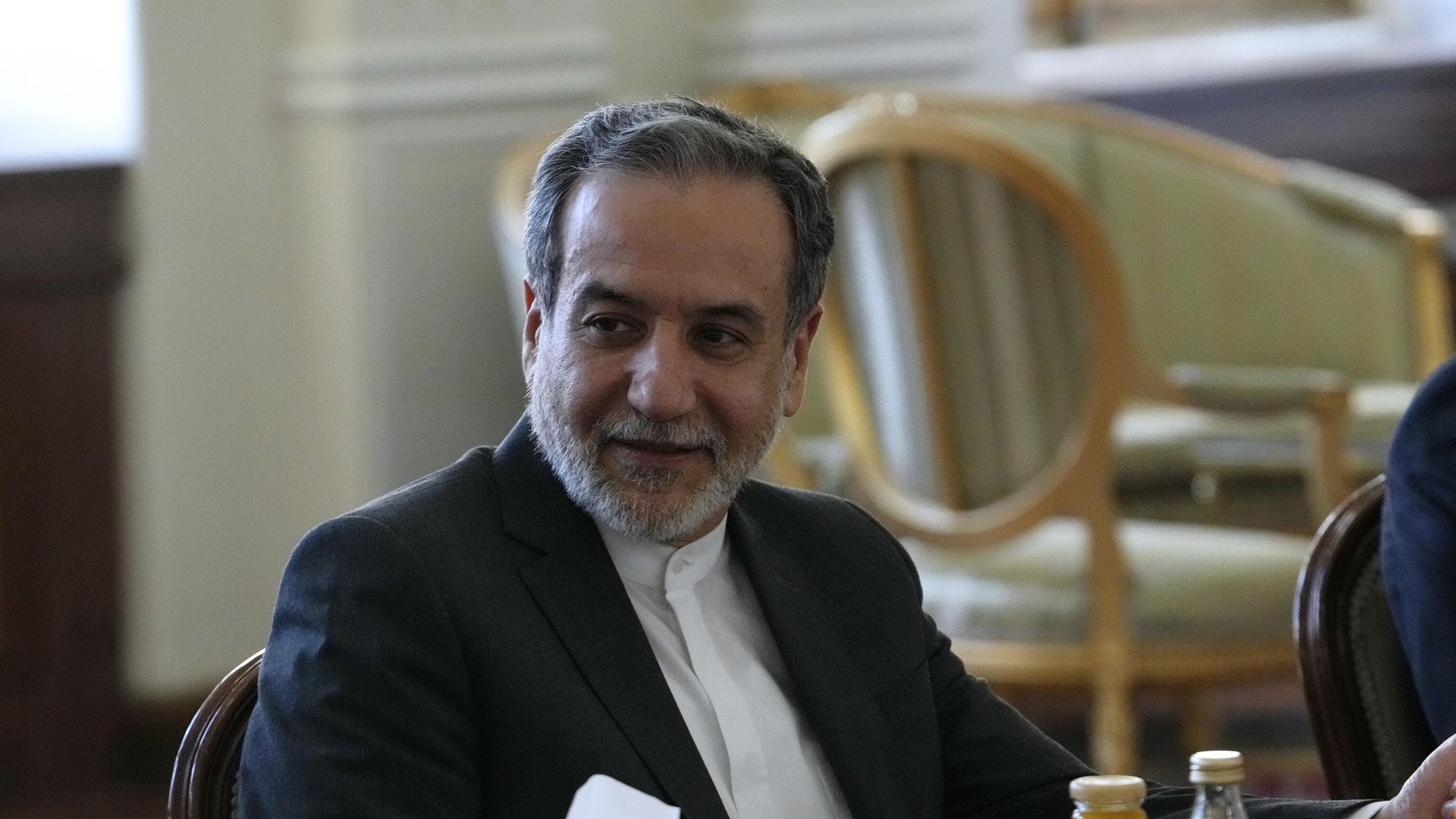
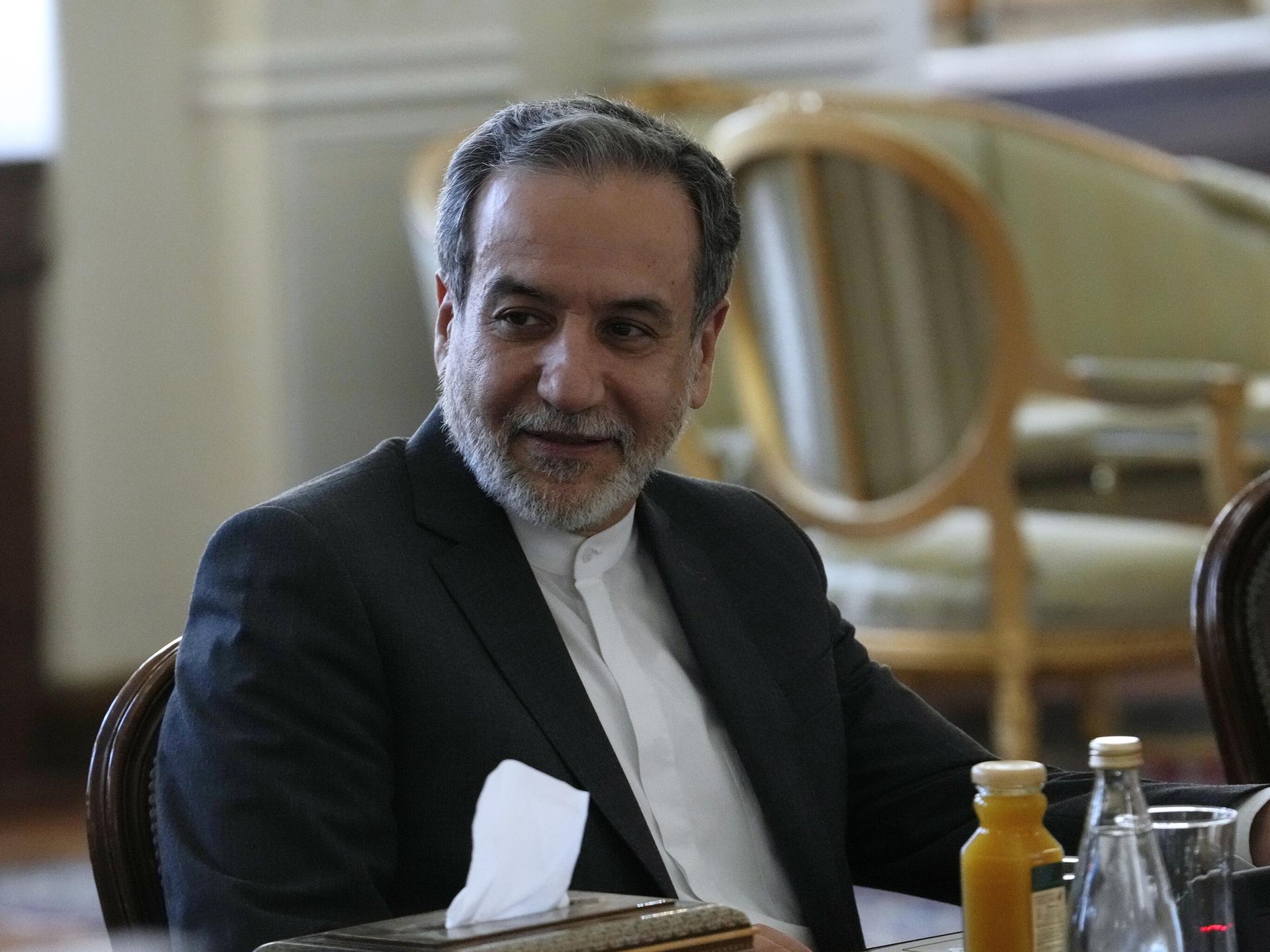
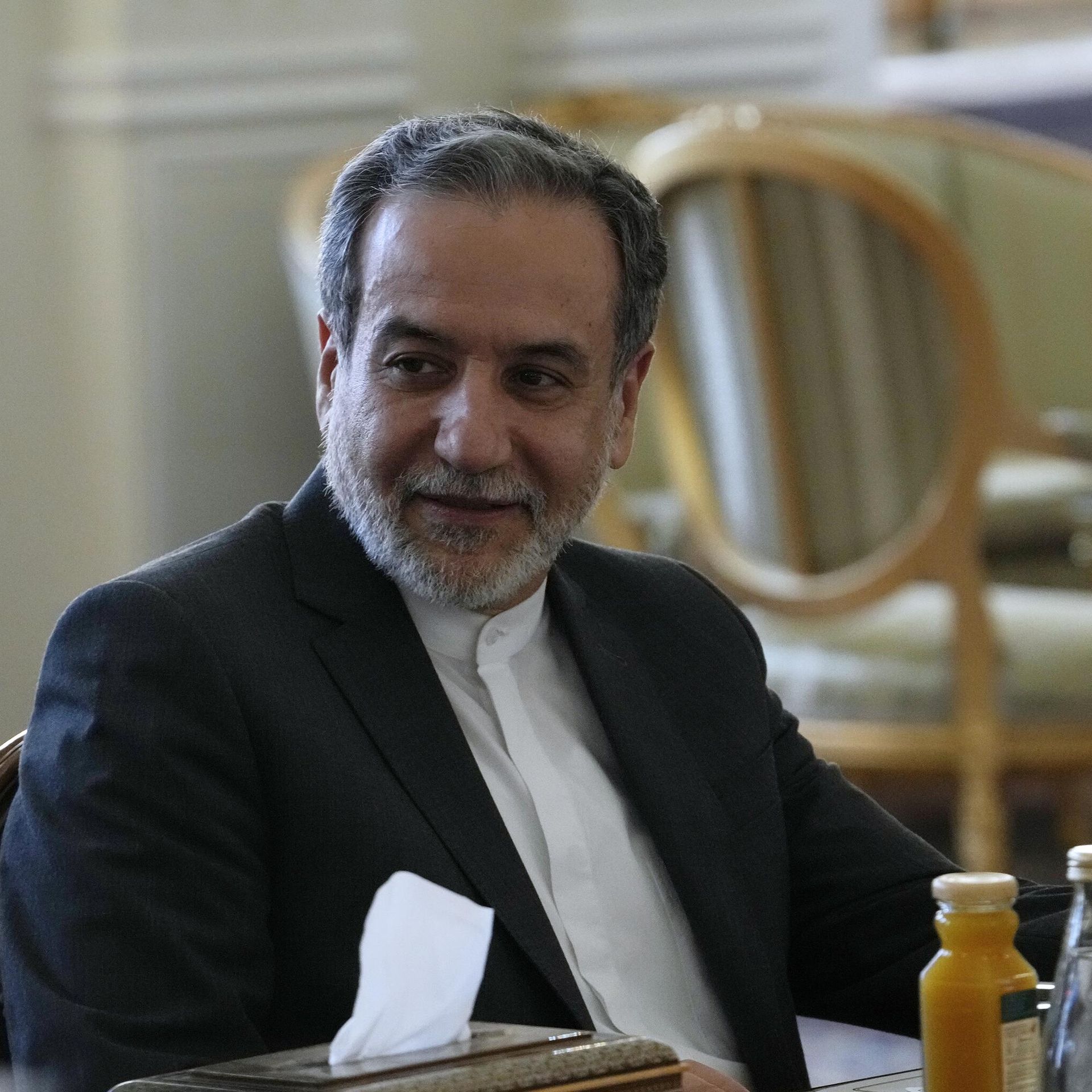
In order to build trust with the US, Iran can adjust the level of uranium enrichment, the minister said, Iranian Foreign Minister Abbas Araghchi said on Sunday.
2025-05-11T15:39+0000
2025-05-11T15:39+0000
2025-05-11T15:39+0000
world
abbas araghchi
donald trump
iran
tehran
muscat
european union (eu)
enriched uranium
uranium
uranium enrichment
https://cdn.imgsputnikglobe.com/img/07e8/09/10/1120162867_0:0:3072:1728_1920x0_80_0_0_7dd225e53f5a13fd3cfa43a4f08283f6.jpg
"We will not compromise on the issue of uranium enrichment, but we can adjust its level to build trust with the US," he said.The positions of Iran and the United States on the Iranian nuclear program have become closer following the fourth round of talks, Araghchi added.The fourth round of Oman-mediated talks between Iran and the US on the Iranian nuclear program and US sanctions on Tehran took place in the Omani capital of Muscat on Sunday after a two-week break.The first and third rounds of indirect US-Iran talks were held in Muscat on April 12 and 26, while the second was held in Rome on April 19. The talks began after US President Donald Trump sent a letter to Iran's supreme leader, Ali Khamenei, in March, offering both a new agreement on the Islamic republic's nuclear program and threatening him with military force if diplomatic efforts failed. Iran rejected direct talks but agreed for an indirect dialogue.Iran signed a nuclear deal with China, France, Russia, the United Kingdom, the US and Germany, as well as the European Union, in 2015. It committed Tehran to scaling back its nuclear program in exchange for sanctions relief. The US withdrew from the deal in 2018 during Trump's first term and reimposed sanctions on Tehran, leading to the collapse of the deal. In response, Iran announced that it would reduce its commitments, abandoning restrictions on nuclear research and the level of uranium enrichment.
https://sputnikglobe.com/20250511/us-hints-at-hardline-shift-if-iran-nuclear-talks-stall---1122028560.html
iran
tehran
muscat
Sputnik International
feedback@sputniknews.com
+74956456601
MIA „Rossiya Segodnya“
2025
Sputnik International
feedback@sputniknews.com
+74956456601
MIA „Rossiya Segodnya“
News
en_EN
Sputnik International
feedback@sputniknews.com
+74956456601
MIA „Rossiya Segodnya“
Sputnik International
feedback@sputniknews.com
+74956456601
MIA „Rossiya Segodnya“
trust with us, iranian foreign minister abbas araghchi, level of uranium enrichment
trust with us, iranian foreign minister abbas araghchi, level of uranium enrichment
Iran Won’t Compromise on Uranium Enrichment, But May Adjust Levels to Build Trust With US - Araghchi
In order to build trust with the US, Iran can adjust the level of uranium enrichment, the minister said, Iranian Foreign Minister Abbas Araghchi said on Sunday.
"We will not compromise on the issue of uranium enrichment, but we can adjust its level to build trust with the US," he said.
The positions of Iran and the United States on the Iranian nuclear program have become closer following the fourth round of talks, Araghchi added.
"The next round of negotiations will take place in about a week," the minister said.
The fourth round of Oman-mediated talks between Iran and the US on the Iranian nuclear program and US sanctions on Tehran took place in the Omani capital of Muscat on Sunday after a two-week break.
The first and third rounds of indirect
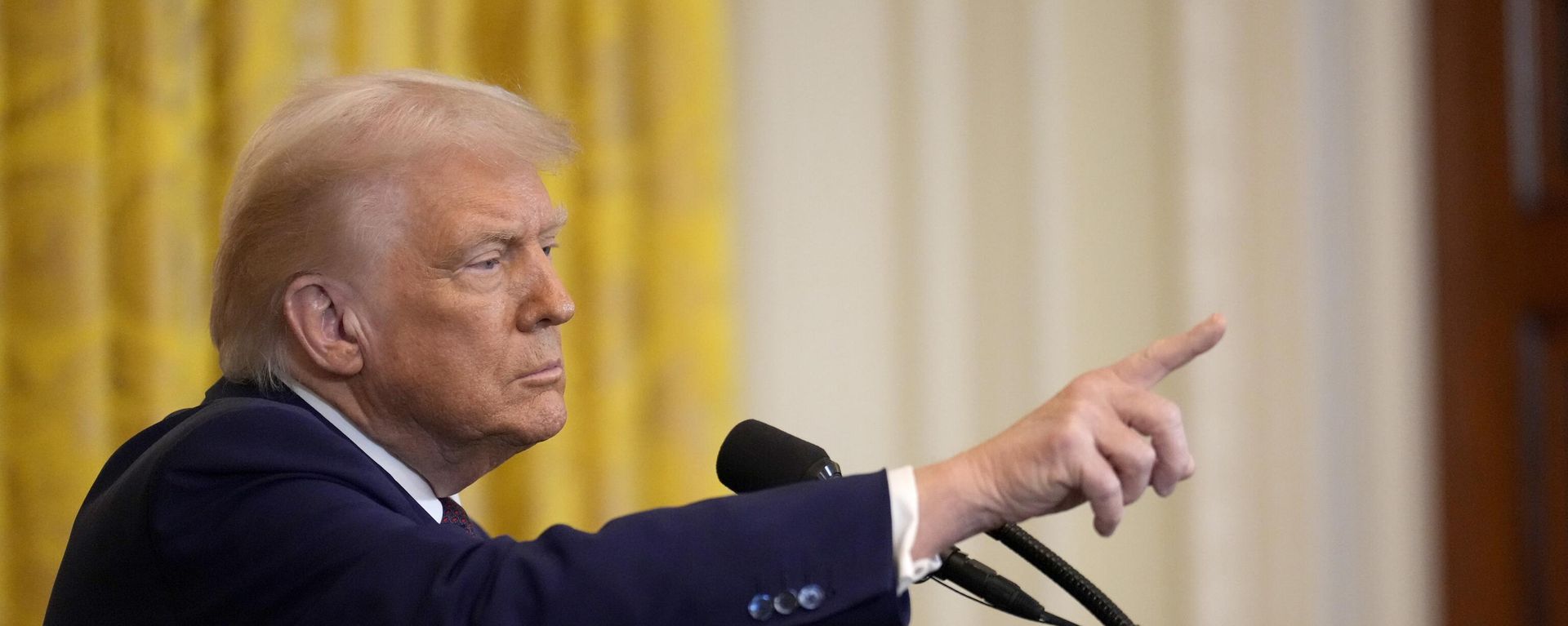
US-Iran talks were held in Muscat on April 12 and 26, while the second was held in Rome on April 19. The talks began after US President Donald Trump sent a letter to Iran's supreme leader, Ali Khamenei, in March, offering both a new agreement on the Islamic republic's nuclear program and threatening him with military force if diplomatic efforts failed. Iran rejected direct talks but agreed for an indirect dialogue.
Iran signed a nuclear deal with China, France, Russia, the United Kingdom, the US and Germany, as well as the European Union, in 2015. It committed Tehran to scaling back its nuclear program in exchange for sanctions relief. The US withdrew from the deal in 2018 during Trump's first term and reimposed sanctions on Tehran, leading to the collapse of the deal. In response, Iran announced that it would reduce its commitments, abandoning restrictions on nuclear research and the level of uranium enrichment.