https://sputnikglobe.com/20250516/media-hype-vs-megaphone-diplomacy-what-russia-ukraine-istanbul-talks-reveal-1122067014.html
Media Hype vs Megaphone Diplomacy: What Russia-Ukraine Istanbul Talks Reveal
Media Hype vs Megaphone Diplomacy: What Russia-Ukraine Istanbul Talks Reveal
Sputnik International
“Despite media hype and ultimatums, under strong American pressure, Kiev managed to build some form of constructive negotiations,” Alexander Asafov, a political analyst and deputy chair of the Public Chamber’s Commission on Legislative Expertise, tells Sputnik.
2025-05-16T15:46+0000
2025-05-16T15:46+0000
2025-05-16T15:46+0000
analysis
ukrainian crisis
russia-nato showdown
alexander asafov
volodymyr zelensky
https://cdn1.img.sputnikglobe.com/img/07e9/05/10/1122067149_0:142:3135:1905_1920x0_80_0_0_7ba975ce3d85be79936ff26db65ebc8b.jpg
He notes the tone has shifted from confrontation to a “constructive” stance, though “the results don’t yet promise immediate change.” Still, this breakthrough marks “a very big step” after a stalemate since 2022.Asafov remains cautiously optimistic: “Let’s hope Kiev won’t sabotage future rounds and that new points emerge in the agenda, potentially leading to peace by addressing the root causes of the conflict.”Zelensky’s "Unexpected" MoveRegarding Zelensky’s recent push for direct talks with Putin despite earlier bans, Asafov explains: “He was trying to sabotage negotiations by making unacceptable demands. His main goal is personal gain, while the conflict’s continuation suits him.”He suggests Zelensky faces pressure from the US, which “holds many levers over him.”Asafov warns, “We might see stalling like in Minsk, backtracking on signed documents like in Normandy, or external bans on talks like in Istanbul.” Yet, he admits, “There is hope the process has started that could lead to results.”Who Holds The Real Power?“All sides try to look strong, but Kiev’s power is borrowed or imagined — from Macron, Merz, or the Americans,” Asafov says.Real strength “belongs to the country backing its arguments with realities on the ground,” which objectively is Russia despite “threats from Europe and the US.”Calling the process “energy-intensive ‘megaphone diplomacy,’” Asafov sees Russia as ready for constructive work, while Zelensky is forced back into “a rational framework” due to practical limits: “Macron recently mentioned no increase in aid, plus personnel shortages and other factors keep Zelensky somewhat constructive despite his strange moves.”
https://sputnikglobe.com/20250514/what-are-russia-the-us-and-ukraines-agendas-ahead-of-istanbul-talks--1122053193.html
https://sputnikglobe.com/20250516/russian-delegation-satisfied-with-ukraine-talks-outcome-ready-to-continue-dialogue-1122066434.html
Sputnik International
feedback@sputniknews.com
+74956456601
MIA „Rossiya Segodnya“
2025
Sputnik International
feedback@sputniknews.com
+74956456601
MIA „Rossiya Segodnya“
News
en_EN
Sputnik International
feedback@sputniknews.com
+74956456601
MIA „Rossiya Segodnya“
Sputnik International
feedback@sputniknews.com
+74956456601
MIA „Rossiya Segodnya“
russia-nato showdown, ukraine crisis, ukraine conflict, hostilities ukraine, russia's special operation
russia-nato showdown, ukraine crisis, ukraine conflict, hostilities ukraine, russia's special operation
Media Hype vs Megaphone Diplomacy: What Russia-Ukraine Istanbul Talks Reveal
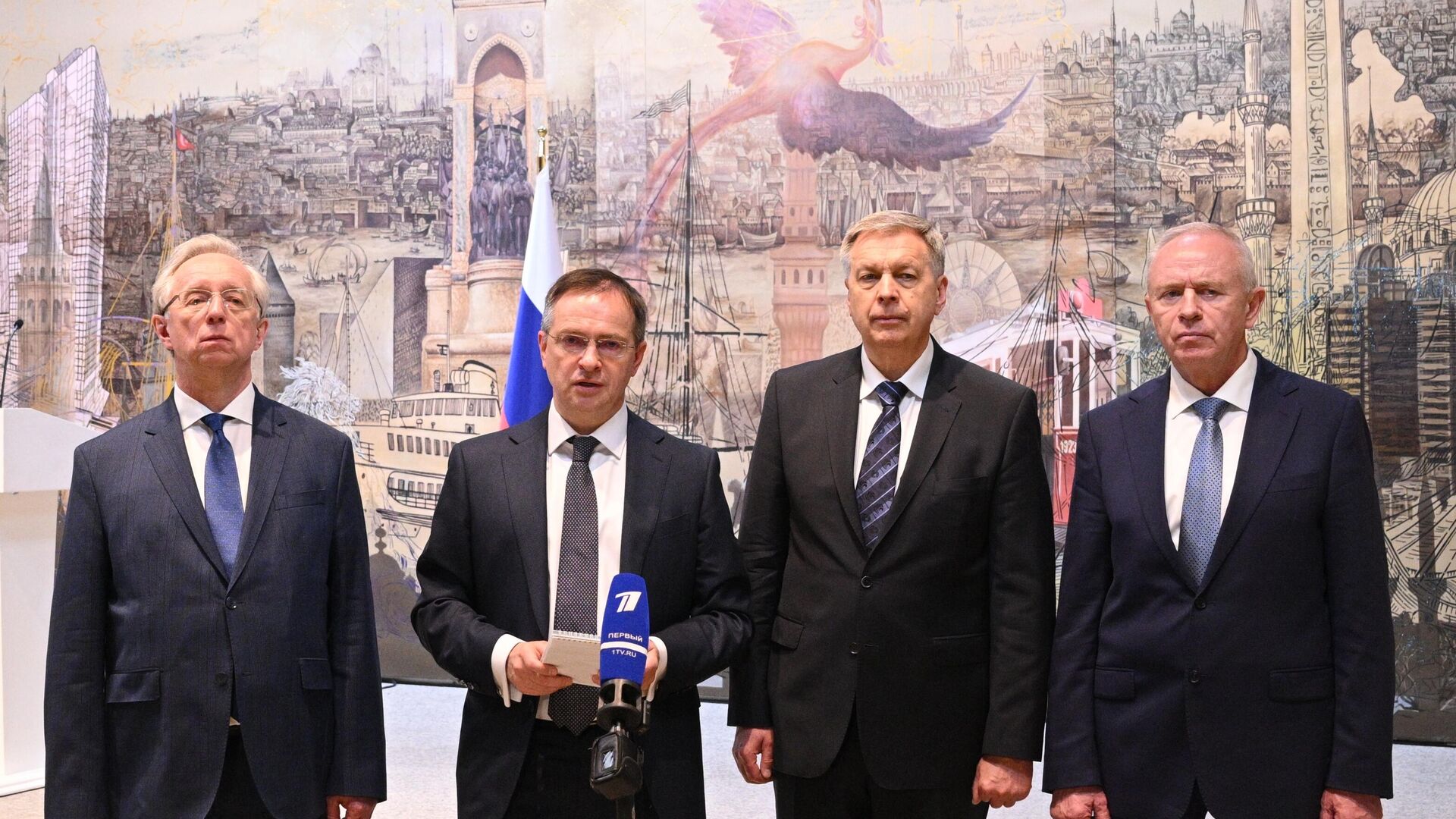
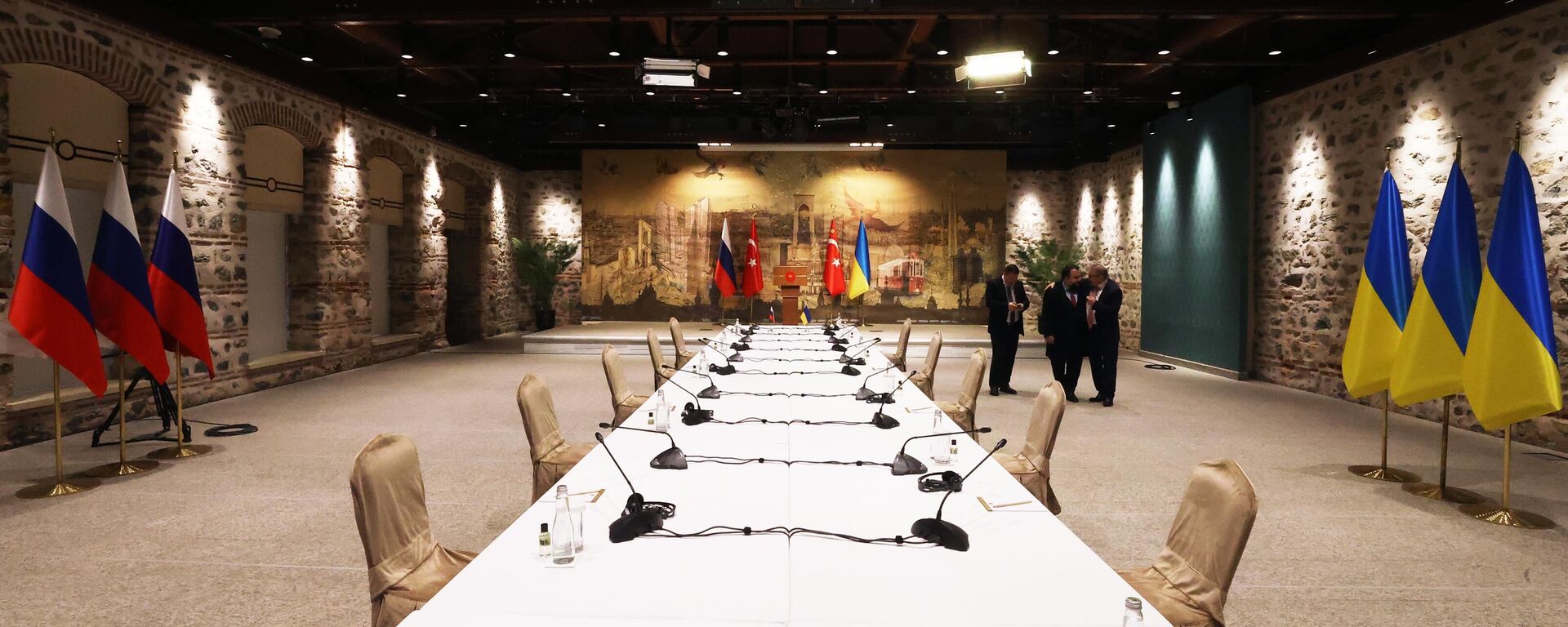
“Despite media hype and ultimatums, under strong American pressure, Kiev managed to build some form of constructive negotiations,” Alexander Asafov, a political analyst and deputy chair of the Public Chamber’s Commission on Legislative Expertise, tells Sputnik.
He notes the tone has shifted from
confrontation to a “constructive” stance, though “the results don’t yet promise immediate change.” Still, this breakthrough marks “a very big step” after a stalemate since 2022.
Asafov remains cautiously optimistic: “Let’s hope Kiev won’t sabotage future rounds and that new points emerge in the agenda, potentially leading to peace by addressing the root causes of the conflict.”
Zelensky’s "Unexpected" Move
Regarding Zelensky’s recent push for direct talks with Putin despite earlier bans, Asafov explains: “He was trying to sabotage negotiations by making unacceptable demands. His main goal is personal gain, while the conflict’s continuation suits him.”
He suggests Zelensky faces pressure from the US, which “holds many levers over him.”
Asafov warns, “We might see stalling like in Minsk, backtracking on signed documents like in Normandy, or external bans on talks like in Istanbul.” Yet, he admits, “There is hope the process has started that could lead to results.”
Who Holds The Real Power?
“All sides try to look strong, but Kiev’s power is borrowed or imagined — from Macron, Merz, or the Americans,” Asafov says.
Real strength “belongs to the country backing its arguments with realities on the ground,” which objectively is Russia despite “threats from Europe and the US.”
Calling the process “energy-intensive ‘megaphone diplomacy,’” Asafov sees Russia as ready for constructive work, while Zelensky is forced back into “a rational framework” due to practical limits: “Macron recently mentioned no increase in aid, plus personnel shortages and other factors keep Zelensky somewhat constructive despite his strange moves.”