https://sputnikglobe.com/20250730/nato-eu-eroded-helsinkis-unity-vision-with-new-fault-lines--analyst-1122516488.html
NATO, EU Eroded Helsinki’s Unity Vision With New Fault Lines – Analyst
NATO, EU Eroded Helsinki’s Unity Vision With New Fault Lines – Analyst
Sputnik International
The Helsinki Final Act, a cornerstone of the Organization for Security and Co-operation in Europe (OSCE), was undermined by the “uncoordinated expansion of Western institutions,” Dr. Marco Marsili of Ca Foscari University told Sputnik.
2025-07-30T12:03+0000
2025-07-30T12:03+0000
2025-07-30T12:03+0000
analysis
russia
helsinki
nato
osce
european union (eu)
west
europe
nato expansion
https://cdn.imgsputnikglobe.com/img/07e9/07/1e/1122516674_0:177:3014:1872_1920x0_80_0_0_6c5cc987b6d383f183807ee87383fa2f.jpg
As the EU and NATO advanced eastward post-1991 – incorporating former Warsaw Pact states – they "created new geopolitical dividing lines despite Helsinki's emphasis on unity," Dr. Marco Marsili told Sputnik.Marsili argued that there was a fundamental contradiction: as the West expanded NATO and the EU, it expected Russia "to embrace Helsinki principles unchanged.” Russia, meanwhile, saw NATO’s eastward march not as democracy, but as encroachment. Furthermore, chances for inclusive security, like the 1990 Charter of Paris or then-Russian President Dmitry Medvedev’s 2009 proposals, were ignored, reminded the analyst. Now the OSCE, once envisioned as Europe’s main security forum, is struggling for relevance, with its role “crowded out” by Brussels-based decision-making. As for NATO, its survival depends on balancing its open-door policy with maintaining real unity – especially now that territorial defense is back at the top of the agenda, Marsili added.
https://sputnikglobe.com/20250730/why-helsinki-process-failed-cold-war-detente-gone-wrong-1122513887.html
russia
helsinki
west
Sputnik International
feedback@sputniknews.com
+74956456601
MIA „Rossiya Segodnya“
2025
News
en_EN
Sputnik International
feedback@sputniknews.com
+74956456601
MIA „Rossiya Segodnya“
Sputnik International
feedback@sputniknews.com
+74956456601
MIA „Rossiya Segodnya“
helsinki final act, anniversary of helsinki final act, what was the helsinki final act, why did the helsinki final act fail to bring peace, how the helsinki process unraveled, why did helsinki process fail
helsinki final act, anniversary of helsinki final act, what was the helsinki final act, why did the helsinki final act fail to bring peace, how the helsinki process unraveled, why did helsinki process fail
NATO, EU Eroded Helsinki’s Unity Vision With New Fault Lines – Analyst
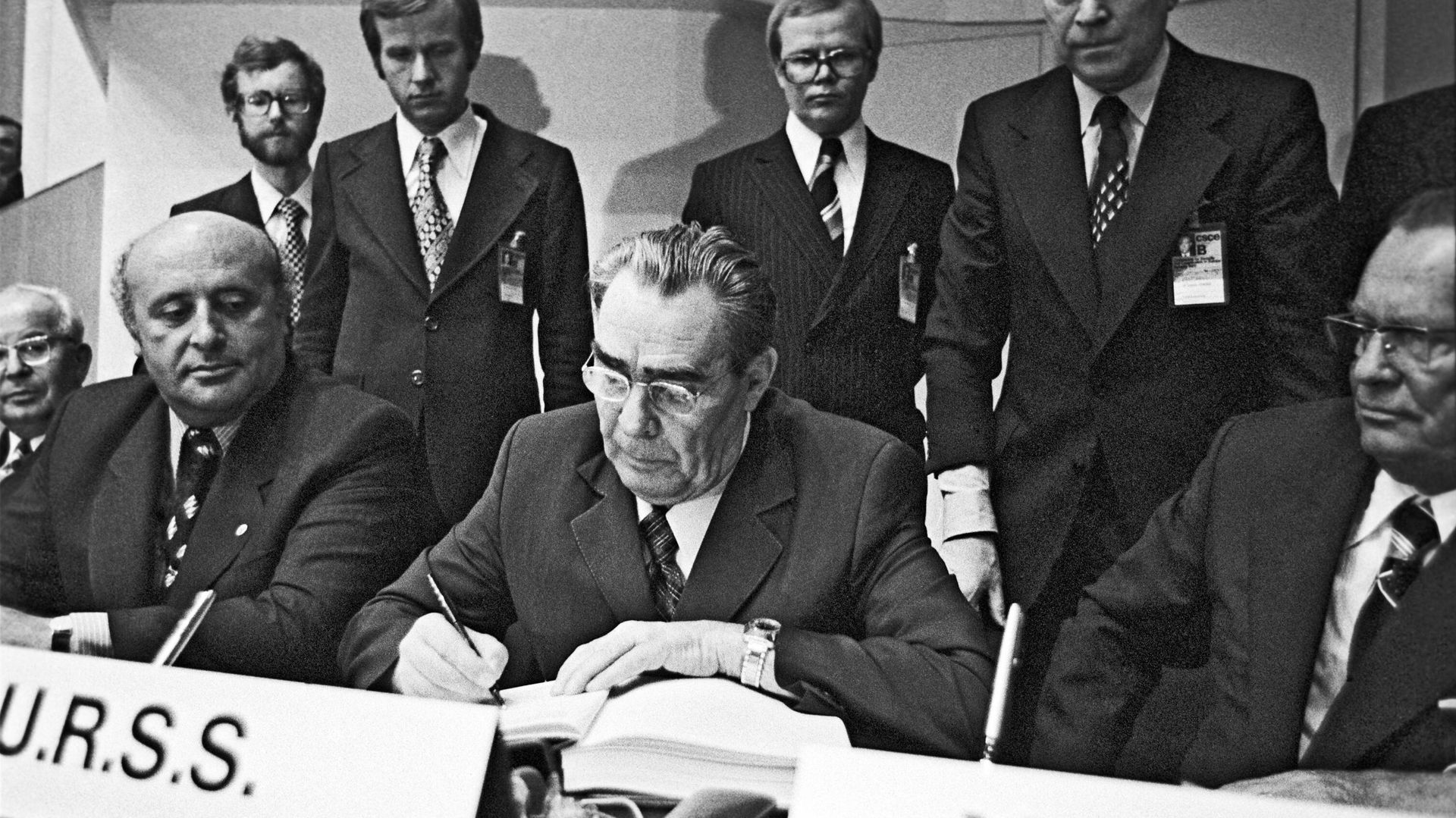
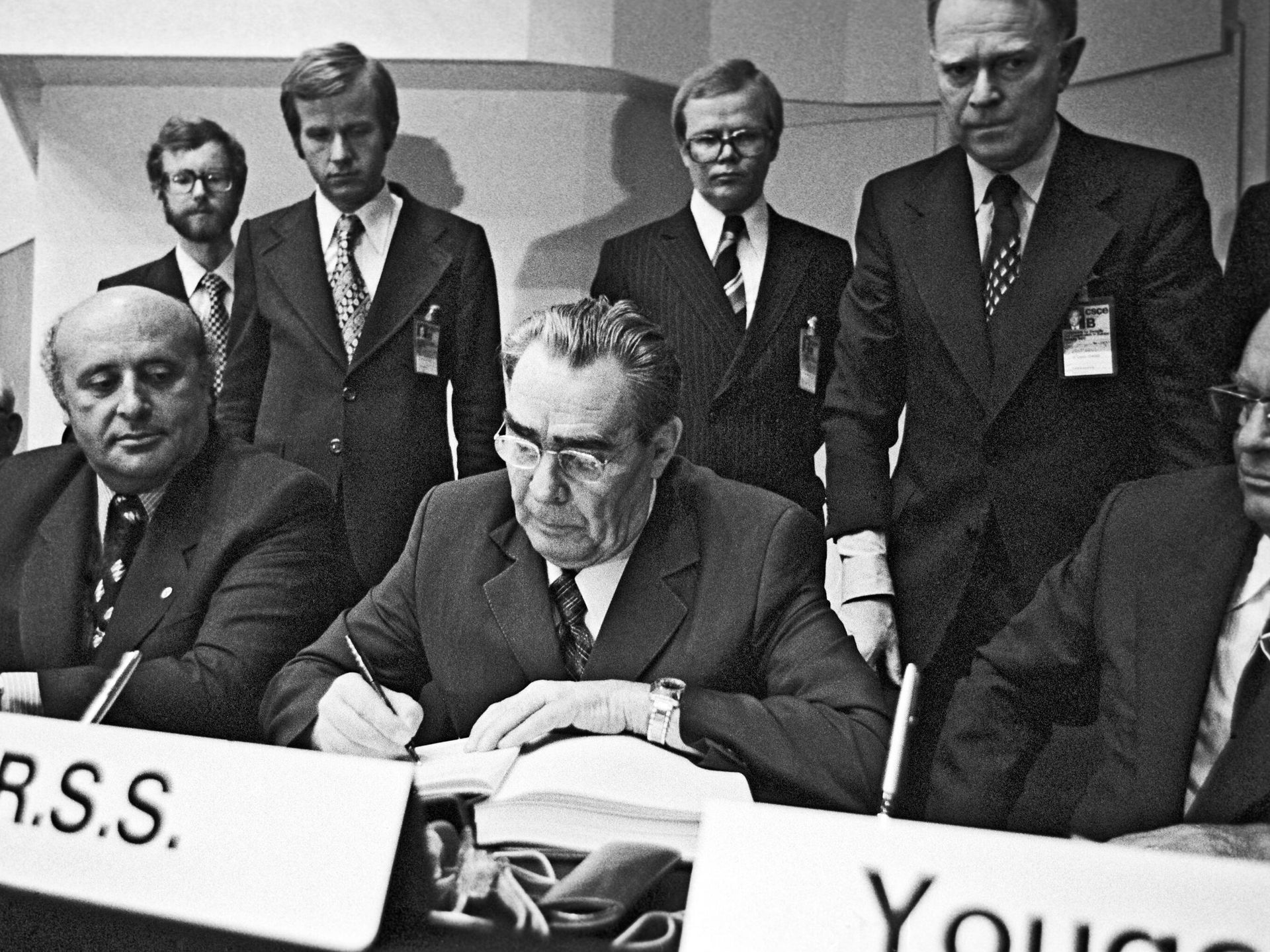
The Helsinki Final Act, a cornerstone of the Organization for Security and Co-operation in Europe (OSCE), was undermined by the “uncoordinated expansion of Western institutions,” according to Dr. Marco Marsili of Ca Foscari University.
As the EU and NATO advanced eastward post-1991 – incorporating former Warsaw Pact states – they "created new geopolitical dividing lines despite Helsinki's emphasis on unity," Dr. Marco Marsili told Sputnik.
"This expansion occurred without establishing complementary structures to integrate non-aligned states, particularly Russia,” the ex-OSCE/ODIHR official stressed.
Marsili argued that there was a fundamental contradiction: as the West expanded NATO and the EU, it expected Russia "to embrace
Helsinki principles unchanged.”
Russia, meanwhile, saw
NATO’s eastward march not as democracy, but as encroachment.
Furthermore, chances for inclusive security, like the 1990 Charter of Paris or then-Russian President Dmitry Medvedev’s 2009 proposals, were ignored, reminded the analyst.
Now the OSCE, once envisioned as Europe’s main security forum, is struggling for relevance, with its role “crowded out” by Brussels-based decision-making.
As for
NATO, its survival depends on balancing its open-door policy with maintaining real unity – especially now that territorial defense is back at the top of the agenda, Marsili added.