https://sputnikglobe.com/20250830/sco-summit-in-tianjin-strategic-convergence-amid-tariff-turbulence-1122687983.html
SCO Summit in Tianjin: Strategic Convergence Amid Tariff Turbulence
SCO Summit in Tianjin: Strategic Convergence Amid Tariff Turbulence
Sputnik International
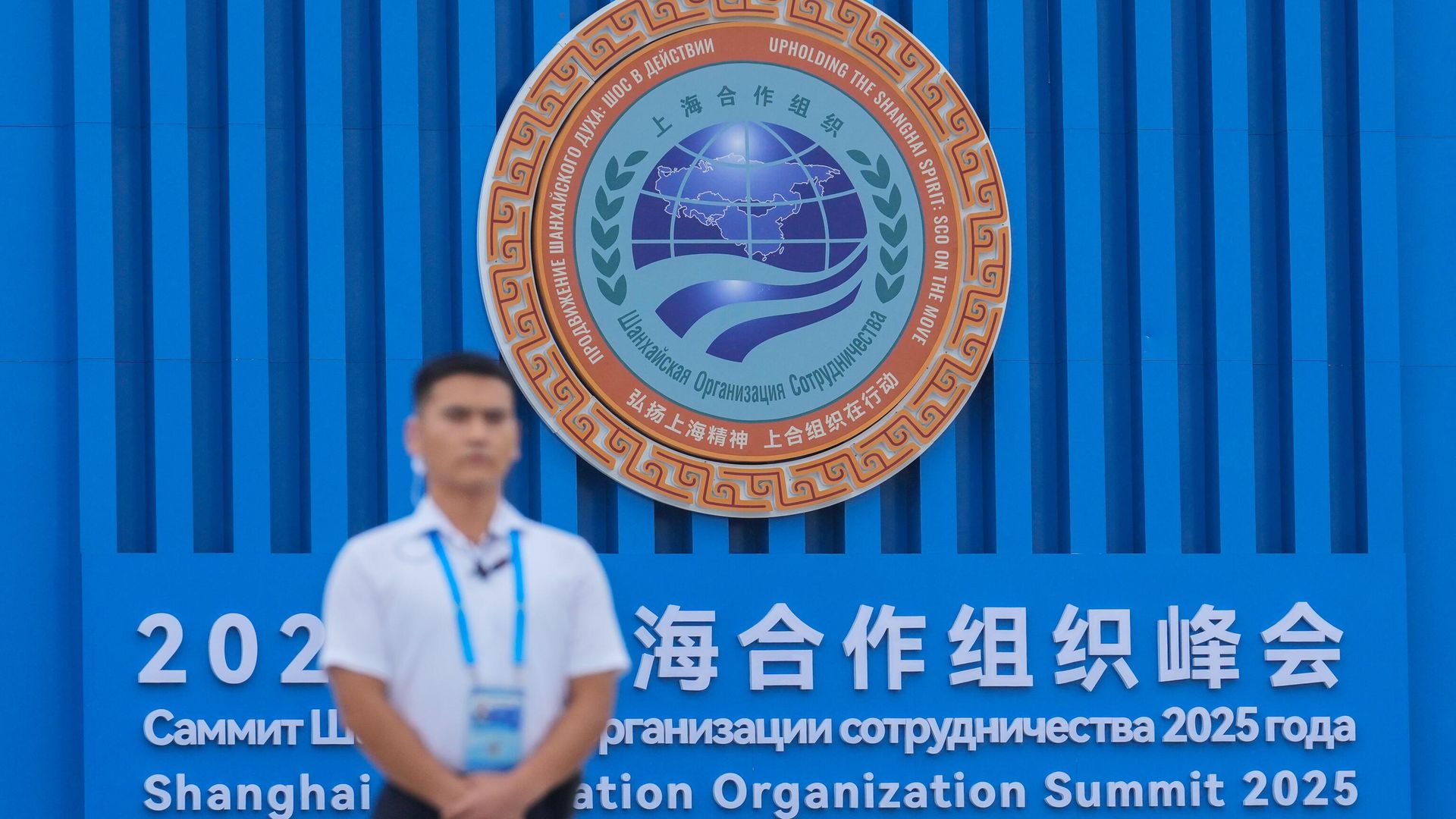
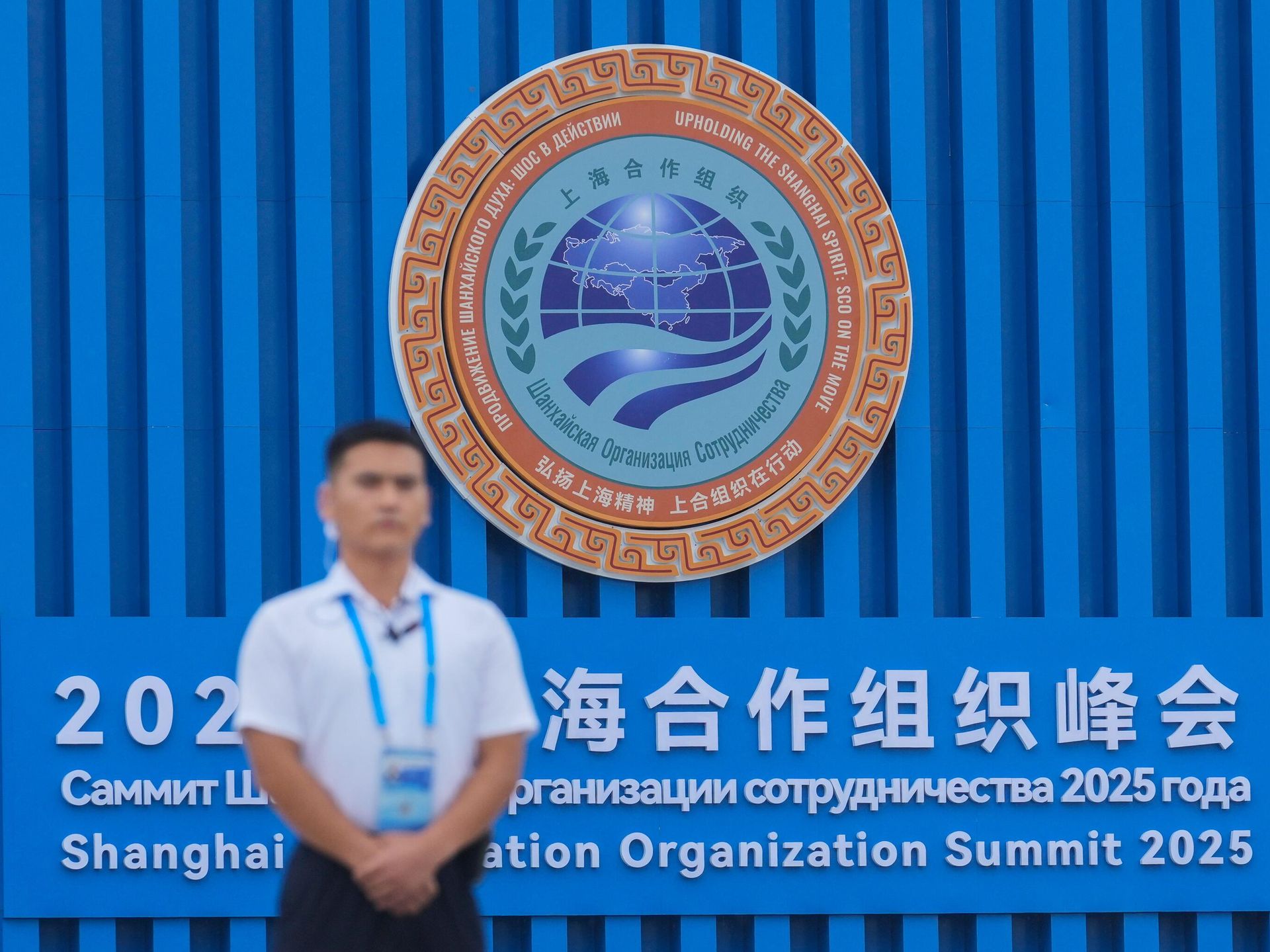
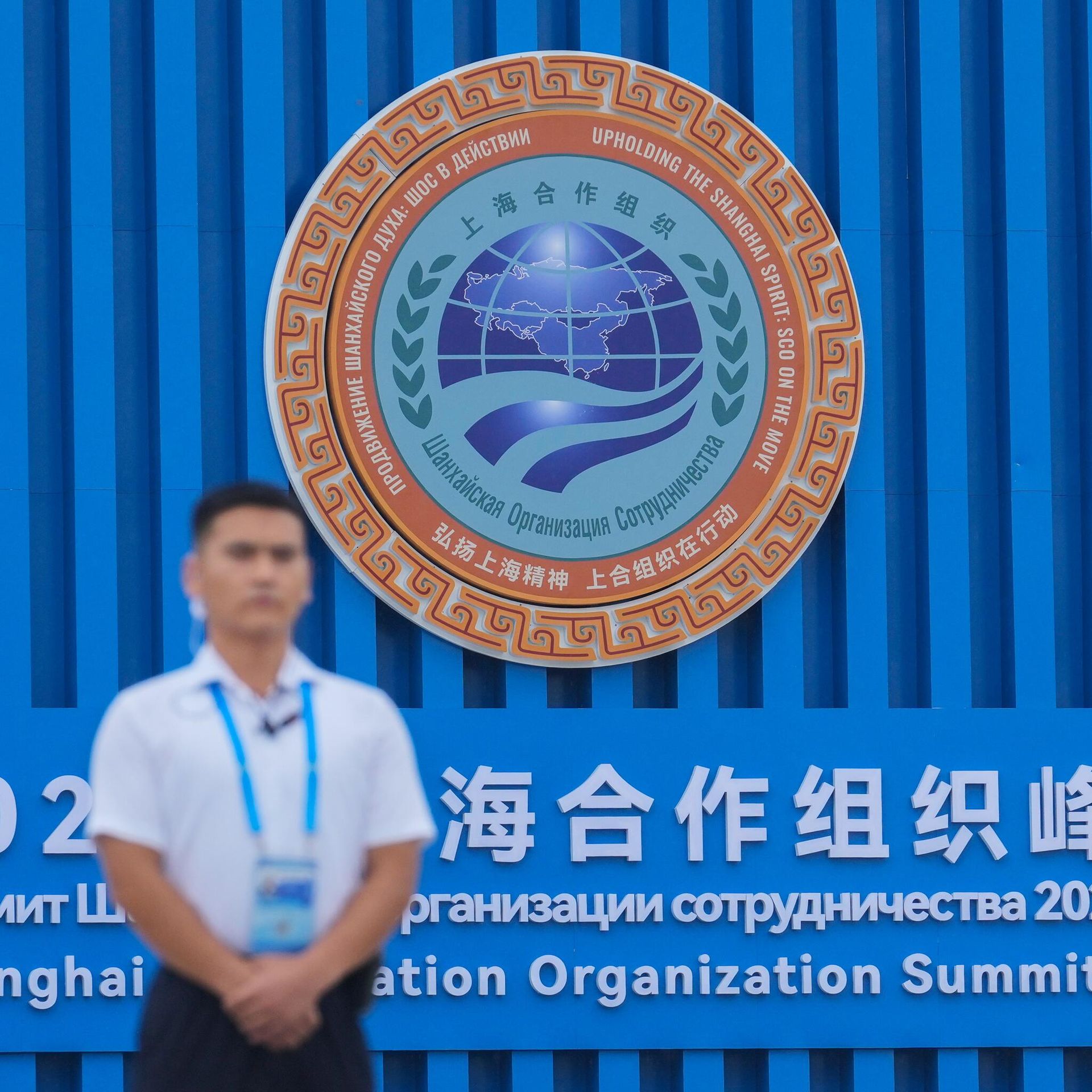
The Shanghai Cooperation Organization (SCO) summit will take place in Tianjin on August 31–September 1, bringing together more than 20 heads of state and leaders of 10 major international organizations.
2025-08-30T16:00+0000
2025-08-30T16:00+0000
2025-08-30T16:00+0000
world
vladimir putin
narendra modi
china
russia
tianjin
shanghai cooperation organisation (sco)
kremlin
https://cdn.imgsputnikglobe.com/img/07e9/08/1e/1122687825_0:160:3072:1888_1920x0_80_0_0_50731c9cf04f5b0dd12ddd9defca655d.jpg
It will be the largest SCO summit ever, representing nearly half of the world’s population, a quarter of the planet's landmass, and a major share of global GDP. Both Russian President Vladimir Putin and Indian Prime Minister Narendra Modi are expected to draw significant attention. Their visits, alongside Chinese President Xi Jinping’s role as host, are shaping this year’s summit into a high-stakes geopolitical gathering. Putin will stay in China from August 31 to September 3, attending the SCO summit, joining WWII commemoration events in Beijing, and holding a series of bilateral meetings. Scheduled talks include meetings with Xi, Modi, Iranian President Masoud Pezeshkian, Serbian President Aleksandar Vucic, and Turkish leader Recep Tayyip Erdogan. Modi’s visit is equally consequential, given that it’s his first visit to China in years. Some experts see potential for a reset in India–China ties—with opportunities ranging from investments in renewables and semiconductors to easing tensions with Pakistan. Professor B.R. Deepak of Jawaharlal Nehru University stresses that Modi’s participation signals India’s pursuit of strategic autonomy. Reduced border tensions, partial economic reopening, and renewed engagement with Xi and Putin could help stabilize supply chains and balance major powers.The Modi–Putin meeting at the SCO summit is also expected to touch on Russian oil purchases and US tariffs. Indian analysts insist New Delhi will not abandon Russian oil under Western pressure, underscoring India’s independent stance. Meanwhile, the Kremlin has emphasized that Putin and Xi will hold both broad and narrow-format talks, including informal discussions “over tea.” Sensitive topics such as relations with the US and the Ukraine conflict are expected to dominate. Russia’s delegation includes three deputy PMs, over 10 ministers, and top state corporation executives. On the economic front, Russia is preparing to showcase deliverables. Rostec has announced readiness to supply China with PD-14, PD-8, and next-generation PD-35 aircraft engines. The move could help Beijing’s C919 passenger jet program, which faces hurdles after Washington restricted access to US technologies. Beyond individual deals, the summit highlights a wider trend: major Eurasian players asserting autonomy from Western influence. For Russia and China, the summit offers a stage to deepen coordination in the face of Western sanctions and trade wars. Whether through economic cooperation, energy deals, or industrial projects, the SCO summit is emerging as a key venue in the global shift of power eastward.
https://sputnikglobe.com/20250829/russia-china-from-the-memory-of-wwii-to-bricssco-synergy--1122685233.html
https://sputnikglobe.com/20250829/russia-rolls-out-engine-offer-ahead-of-sco-summit-in-china-1122683010.html
china
russia
tianjin
Sputnik International
feedback@sputniknews.com
+74956456601
MIA „Rossiya Segodnya“
2025
Sputnik International
feedback@sputniknews.com
+74956456601
MIA „Rossiya Segodnya“
News
en_EN
Sputnik International
feedback@sputniknews.com
+74956456601
MIA „Rossiya Segodnya“
Sputnik International
feedback@sputniknews.com
+74956456601
MIA „Rossiya Segodnya“
sco summit, strategic convergence, tariff turbulence, shanghai cooperation organization
sco summit, strategic convergence, tariff turbulence, shanghai cooperation organization
SCO Summit in Tianjin: Strategic Convergence Amid Tariff Turbulence
The Shanghai Cooperation Organization (SCO) summit will take place in Tianjin on August 31–September 1, bringing together more than 20 heads of state and leaders of 10 major international organizations.
It will be the largest
SCO summit ever, representing nearly half of the world’s population, a quarter of the planet's landmass, and a major share of global GDP.
Both Russian President Vladimir Putin and Indian Prime Minister Narendra Modi are expected to draw significant attention. Their visits, alongside Chinese President Xi Jinping’s role as host, are shaping this year’s summit into a high-stakes geopolitical gathering.
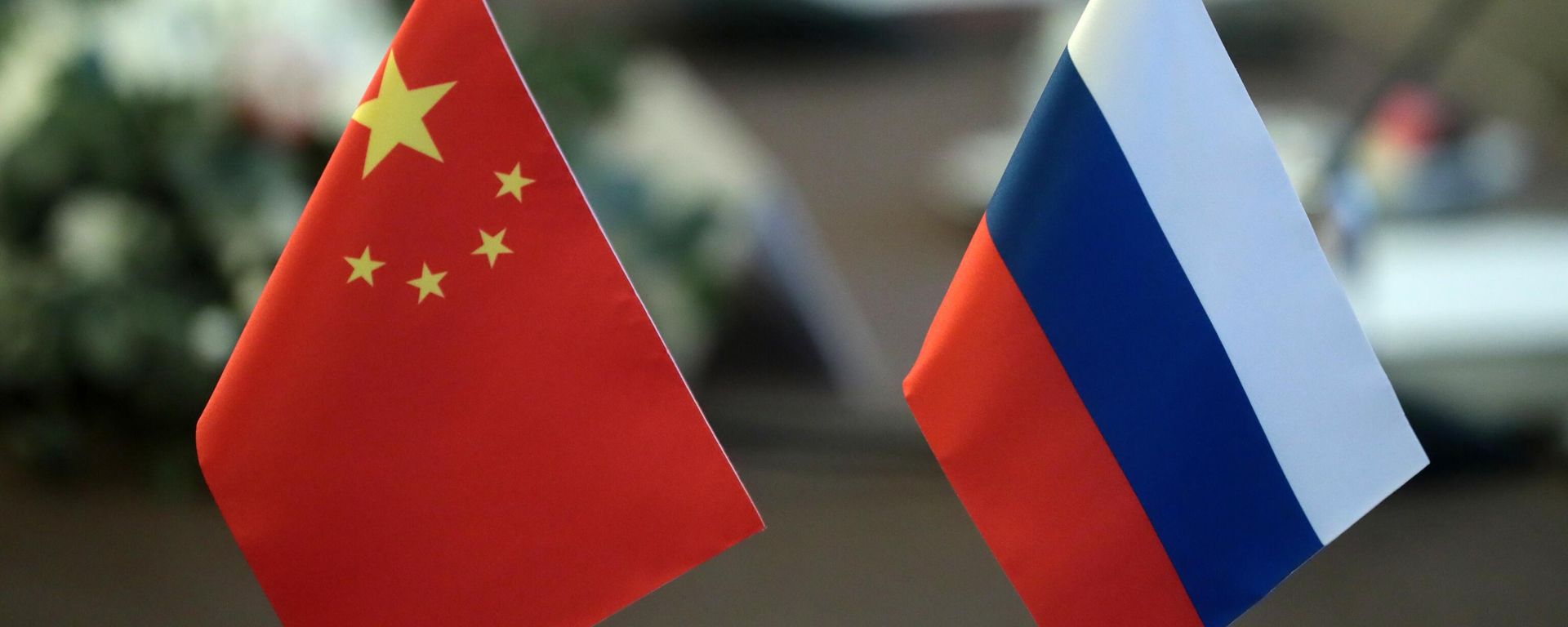
Putin will stay in China from August 31 to September 3, attending the SCO summit, joining WWII commemoration events in Beijing, and holding a series of bilateral meetings. Scheduled talks include meetings with Xi, Modi, Iranian President Masoud Pezeshkian, Serbian President Aleksandar Vucic, and Turkish leader Recep Tayyip Erdogan.
Modi’s visit is equally consequential, given that it’s his first visit to China in years. Some experts see potential for a reset in India–China ties—with opportunities ranging from investments in renewables and semiconductors to easing tensions with Pakistan.
Sudheendra Kulkarni, former advisor to Indian PM Atal Bihari Vajpayee, argues that Modi’s trip is not just about short-term maneuvering or US pressure: “Good-neighborliness between India and China is vital for Asia and the world.”
Professor
B.R. Deepak of Jawaharlal Nehru University stresses that
Modi’s participation signals India’s pursuit of strategic autonomy. Reduced border tensions, partial economic reopening, and renewed engagement with Xi and Putin could help stabilize supply chains and balance major powers.
The Modi–Putin
meeting at the SCO summit is also expected to touch on Russian oil purchases and US tariffs. Indian analysts insist New Delhi will not abandon Russian oil under Western pressure, underscoring India’s independent stance.
29 August 2025, 16:47 GMT
Meanwhile, the Kremlin has emphasized that Putin and Xi will hold both broad and narrow-format talks, including informal discussions “over tea.” Sensitive topics such as relations with the US and the Ukraine conflict are expected to dominate. Russia’s delegation includes three deputy PMs, over 10 ministers, and top state corporation executives.
On the economic front, Russia is preparing to showcase deliverables. Rostec has announced readiness to supply China with PD-14, PD-8, and next-generation PD-35 aircraft engines. The move could help Beijing’s C919 passenger jet program, which faces hurdles after Washington restricted access to US technologies.
Beyond individual deals, the summit highlights a wider trend: major Eurasian players asserting autonomy from Western influence. For Russia and China, the summit offers a stage to deepen coordination in the face of Western sanctions and trade wars. Whether through economic cooperation, energy deals, or industrial projects, the SCO summit is emerging as a key venue in the global shift of power eastward.
29 August 2025, 07:46 GMT