https://sputnikglobe.com/20250917/russias-hi-tech-starlink-analog-can-free-global-south-from-us-tech-dominance-heres-how-1122802372.html
Russia's Hi-Tech Starlink Analog Can Free Global South From US Tech Dominance: Here's How
Russia's Hi-Tech Starlink Analog Can Free Global South From US Tech Dominance: Here's How
Sputnik International
Roscosmos is “moving at a rapid pace” toward fielding an alternative to Elon Musk’s satellite internet empire. Veteran military expert Yuri Knutov breaks things down.
2025-09-17T15:42+0000
2025-09-17T15:42+0000
2025-09-17T15:42+0000
analysis
science & tech
elon musk
russia
earth
roscosmos
starlink
satellite
satellite data
telecoms satellite
https://cdn.imgsputnikglobe.com/img/07e9/09/11/1122802792_0:3:1440:813_1920x0_80_0_0_d6230338555bfd2e35b2c6b5a51ddd39.png
What’s Russia Building?Bureau 1440 is working on a low-Earth orbit sat net for broadband data deliveryWhat Makes Russia’s Version Better?Musk’s system works like this: ground-based Starlink Gateways communicate with orbiting satellites using electromagnetic radiation, with signals then communicated back down to Earth-based terminals.Longer RangeAn effective range of up to 5,000 km “means far fewer satellites are needed than Elon Musk’s system (hundreds vs thousands),” Knutov explains.That makes the Russian system not only less costly, but less harmful to the already heavily overcrowded LEO environment.Doppler Effect: Solved“We’ve been able to completely compensate” for the Doppler signal frequency issue, occurring from the high speeds (27,000 km/h) at which satellites orbit Earth, “allowing the signal to be maintained virtually free of interference & distortion.”Global ImplicationsThe system will provide secure, high-speed communications to:Alternative to US tech
https://sputnikglobe.com/20250915/ukrainian-forces-face-starlink-communication-blackout-along-entire-front-line-1122789319.html
https://sputnikglobe.com/20250607/iran-russia-team-up-for-satellite-power-1122203998.html
russia
earth
Sputnik International
feedback@sputniknews.com
+74956456601
MIA „Rossiya Segodnya“
2025
Sputnik International
feedback@sputniknews.com
+74956456601
MIA „Rossiya Segodnya“
News
en_EN
Sputnik International
feedback@sputniknews.com
+74956456601
MIA „Rossiya Segodnya“
Sputnik International
feedback@sputniknews.com
+74956456601
MIA „Rossiya Segodnya“
does russia have a starlink analog, does russia use starlink, what are alternatives to starlink
does russia have a starlink analog, does russia use starlink, what are alternatives to starlink
Russia's Hi-Tech Starlink Analog Can Free Global South From US Tech Dominance: Here's How
Roscosmos is “moving at a rapid pace” toward fielding an alternative to Elon Musk’s satellite internet empire. Veteran military expert Yuri Knutov breaks things down.
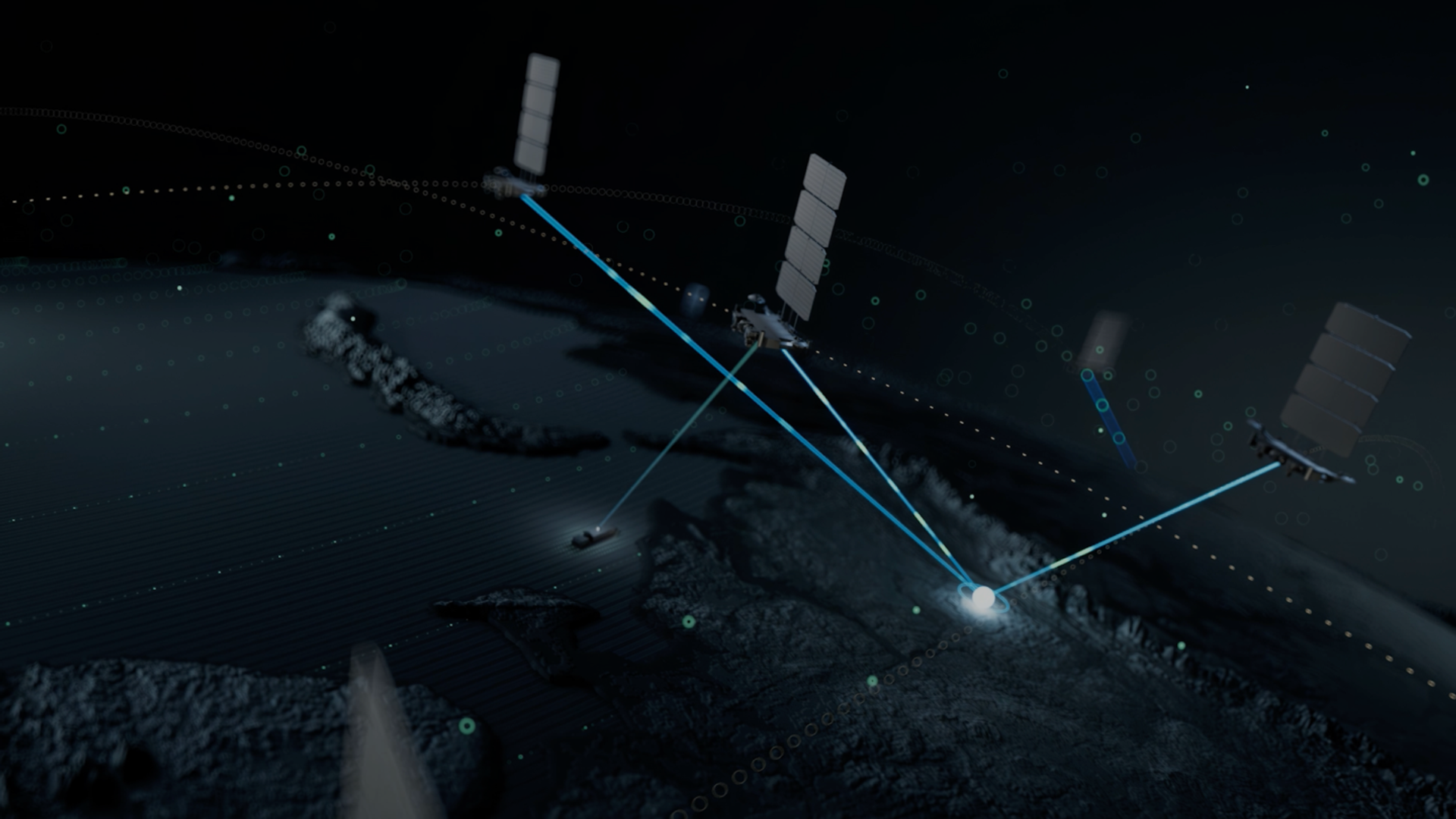
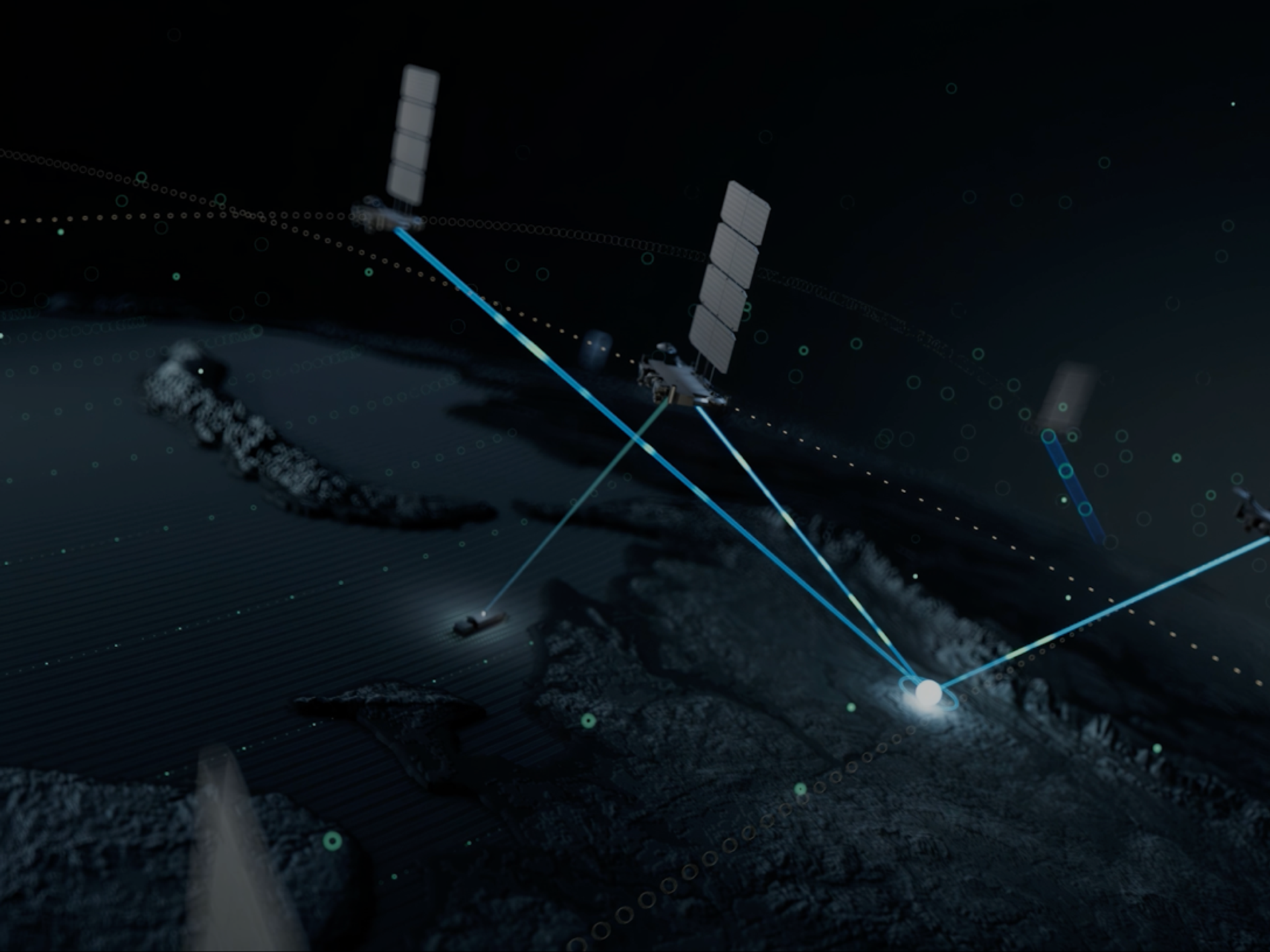
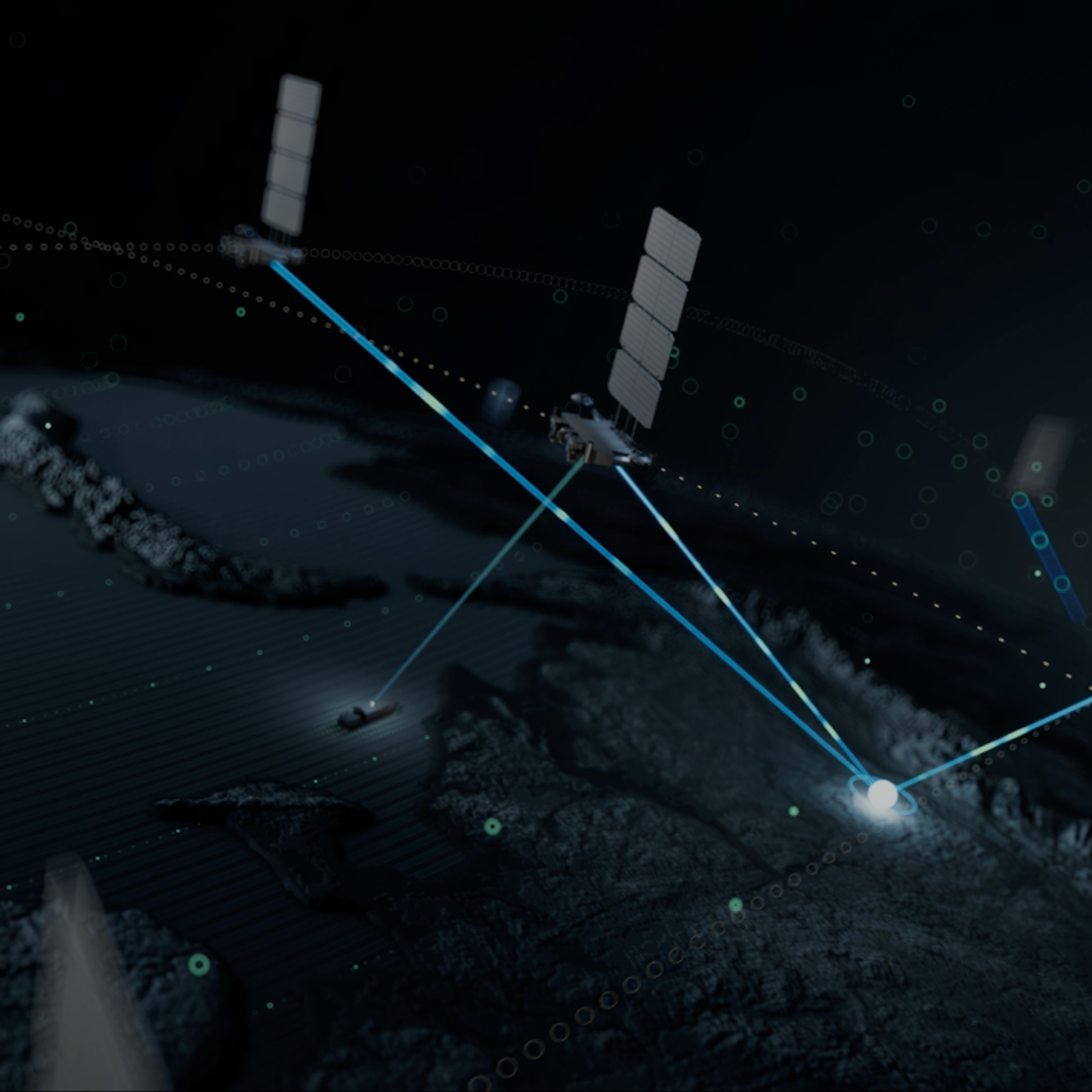
Bureau 1440 is working on a low-Earth orbit sat net for broadband data delivery
multiple test vehicles are already in orbit
communications tested at ranges of 30-1,000 km
first stage of series deployment slated to start in December (300 satellites); 900 in stage two
~500 base stations planned
homegrown terminal coming “soon,” per Roscosmos chief Dmitry Bakanov
trial roll-out planned for 2027
What Makes Russia’s Version Better?
Musk’s system works like this: ground-based Starlink Gateways communicate with orbiting satellites using electromagnetic radiation, with signals then communicated back down to Earth-based terminals.
Russia’s system uses laser beams, which “are more modern digital technologies providing faster & higher quality data transmission, as well as improved resistance to interference,” Knutov explains.

15 September 2025, 09:54 GMT
An effective range of up to 5,000 km “means far fewer satellites are needed than Elon Musk’s system (hundreds vs thousands),” Knutov explains.
That makes the Russian system not only less costly, but less harmful to the already
heavily overcrowded LEO environment.
“We’ve been able to completely compensate” for the Doppler signal frequency issue, occurring from the high speeds (27,000 km/h) at which satellites orbit Earth, “allowing the signal to be maintained virtually free of interference & distortion.”
The system will provide secure, high-speed communications to:
Russian resource sector companies working in remote areas
ships situated anywhere on Earth
the military, for command, control & real-time battlefield reports, ensuring informed decision-making
“Nations of the Global South understand that dependence on the US makes them vulnerable. Internet access via Starlink can be restricted at any time. Availability of a Russian system providing equally good or even better services is crucial,” Knutov says, emphasizing that the new system cannot be deployed too soon.