https://sputnikglobe.com/20251102/us-lacks-missile-defense-system-against-russias-burevestnik-missile--ex-us-intel-officer-1123052954.html
US Lacks Missile Defense System Against Russia's Burevestnik Missile – Ex-US Intel Officer
US Lacks Missile Defense System Against Russia's Burevestnik Missile – Ex-US Intel Officer
Sputnik International
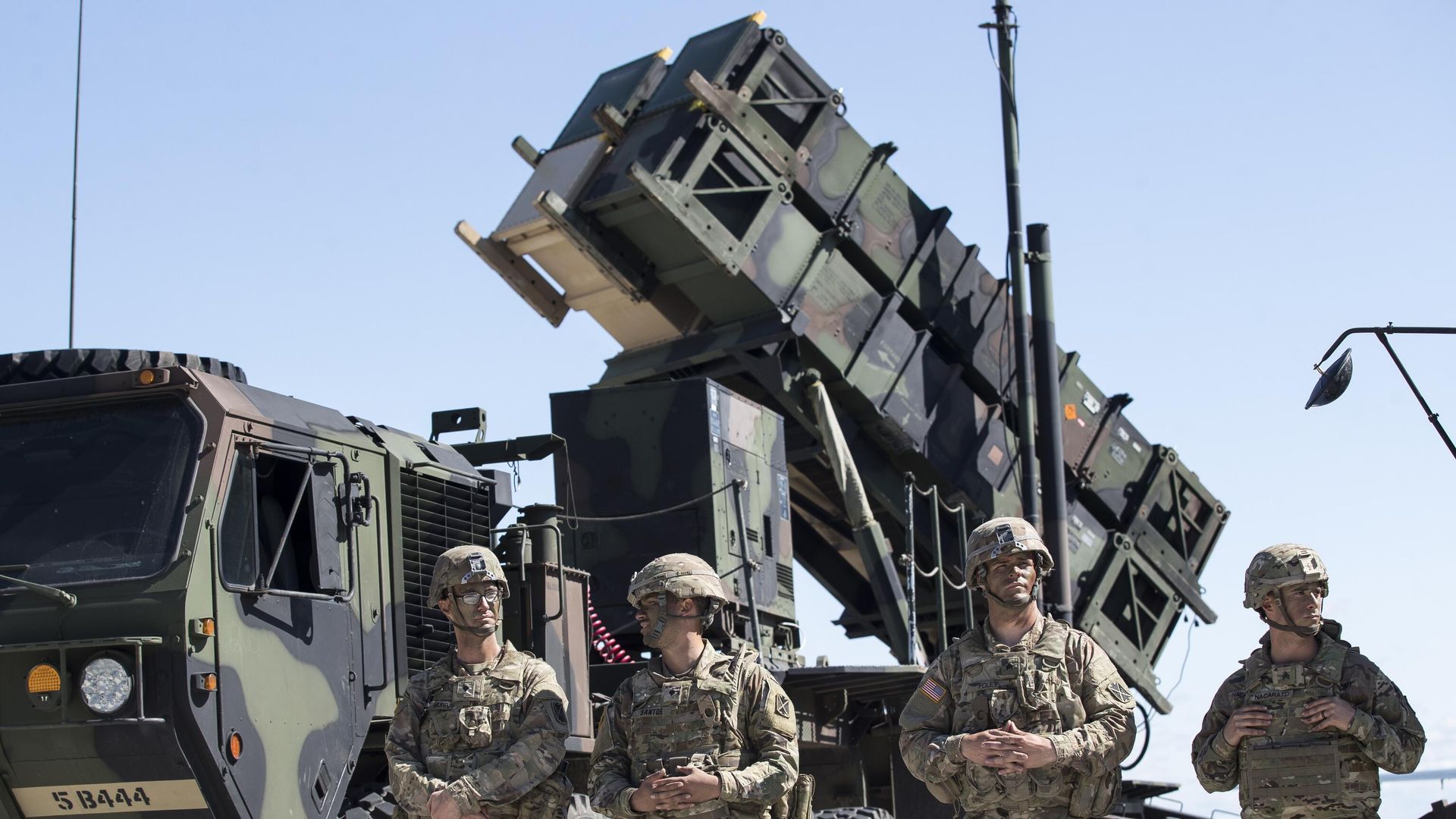
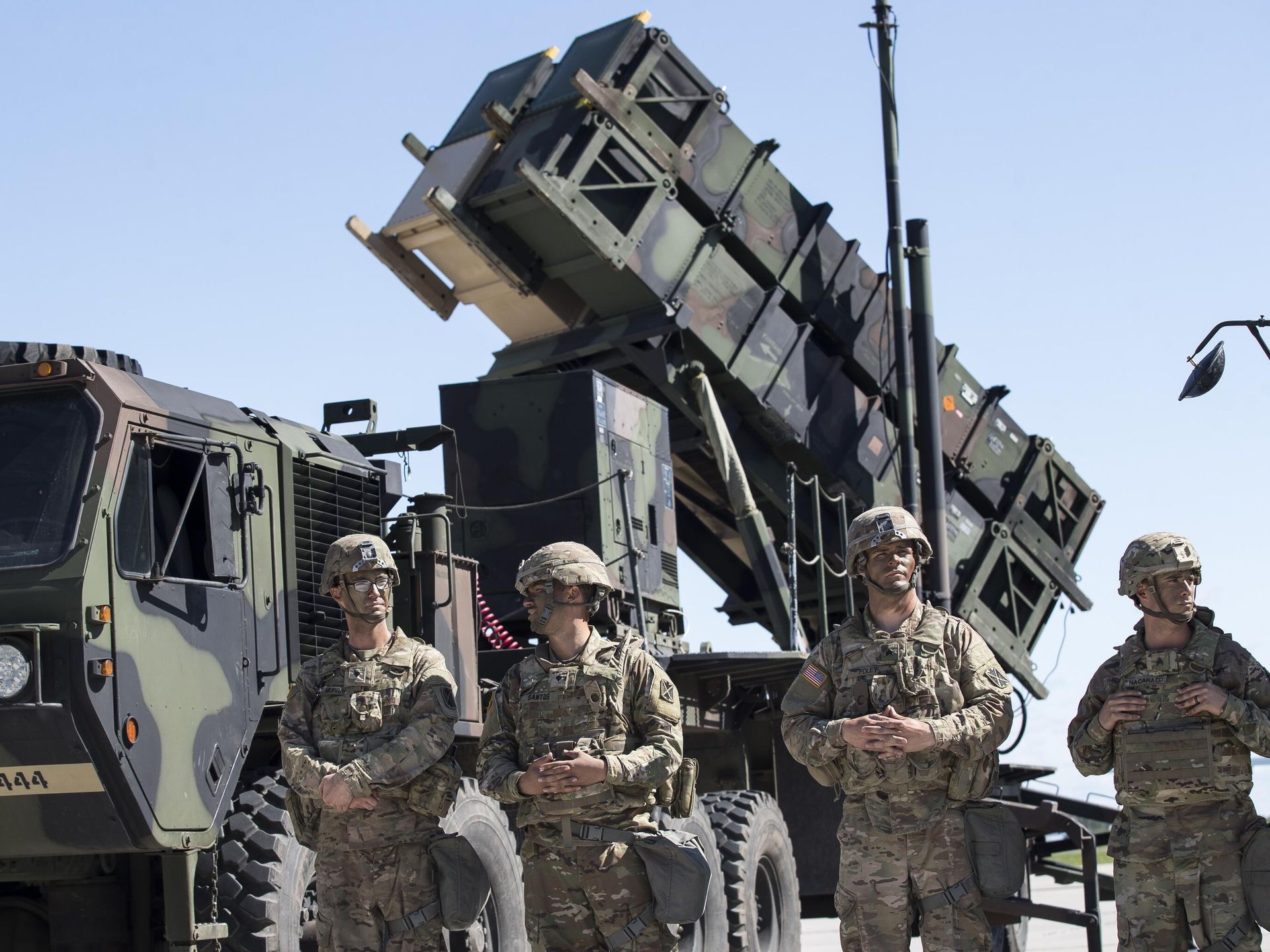
The United States does not possess a missile defense system capable of repelling a strike by Russia's new Burevestnik cruise missile, former US Marine Corps intelligence officer Scott Ritter told Sputnik.
2025-11-02T09:44+0000
2025-11-02T09:44+0000
2025-11-02T09:44+0000
military
scott ritter
vladimir putin
valery gerasimov
russia
burevestnik
poseidon
intel
us
missile defense
https://cdn.imgsputnikglobe.com/img/07e8/03/0a/1117241728_0:0:3065:1725_1920x0_80_0_0_1cbfb798575283b7d74f2b871a8f372b.jpg
"And so, for the United States to defend against Burevestnik, we would have to build a completely different kind of missile defense system and one that was 360 degrees in terms of protecting American territory. And we do not have such a system envisioned and we cannot afford such a system," Ritter said. The Burevestnik missile can maneuver in flight, allowing it to bypass missile defense systems, he said, adding that the Poseidon unmanned underwater vehicle is also hard to intercept. These developments undermine the very foundation of the US Golden Dome missile defense system, he added. On October 26, Russian President Vladimir Putin announced that the Burevestnik missile had successfully completed its tests, calling it a unique weapon. Russian Chief of the General Staff Valery Gerasimov said it flew 14,000 kilometers (8,700 miles) in an October test flight. On Tuesday, Putin announced that Russia had successfully tested the Poseidon underwater vehicle. He said that such unmanned vehicles could be equipped with both conventional and nuclear weapons, enabling them to hit a wide variety of targets, including carrier strike groups, coastal fortifications, and other infrastructure.
https://sputnikglobe.com/20251101/west-has-no-doubt-about-reality-of-burevestnik-fears-new-tests---zakharova-1123050306.html
russia
Sputnik International
feedback@sputniknews.com
+74956456601
MIA „Rossiya Segodnya“
2025
Sputnik International
feedback@sputniknews.com
+74956456601
MIA „Rossiya Segodnya“
News
en_EN
Sputnik International
feedback@sputniknews.com
+74956456601
MIA „Rossiya Segodnya“
Sputnik International
feedback@sputniknews.com
+74956456601
MIA „Rossiya Segodnya“
us lacks missile defense system, united states, us marine corps intelligence, new burevestnik cruise missile
us lacks missile defense system, united states, us marine corps intelligence, new burevestnik cruise missile
US Lacks Missile Defense System Against Russia's Burevestnik Missile – Ex-US Intel Officer
MOSCOW (Sputnik) - The United States does not possess a missile defense system capable of repelling a strike by Russia's new Burevestnik cruise missile, former US Marine Corps intelligence officer Scott Ritter told Sputnik.
"And so, for the United States to defend against Burevestnik, we would have to build a completely different kind of missile defense system and one that was 360 degrees in terms of protecting American territory. And we do not have such a system envisioned and we cannot afford such a system," Ritter said.
The Burevestnik missile can maneuver in flight, allowing it to bypass missile defense systems, he said, adding that the Poseidon unmanned underwater vehicle is also hard to intercept. These developments undermine the very foundation of the
US Golden Dome missile defense system, he added.
On October 26, Russian President Vladimir Putin announced that the
Burevestnik missile had successfully completed its tests, calling it a unique weapon. Russian Chief of the General Staff Valery Gerasimov said it flew 14,000 kilometers (8,700 miles) in an October test flight.
On Tuesday, Putin announced that Russia had successfully tested the Poseidon underwater vehicle. He said that such unmanned vehicles could be equipped with both conventional and nuclear weapons, enabling them to hit a wide variety of targets, including carrier strike groups, coastal fortifications, and other infrastructure.

1 November 2025, 15:39 GMT