https://sputnikglobe.com/20251201/natos-threats-to-be-more-aggressive-betray-blocs-belligerent-nature-1123205990.html
Hypocrisy in Action: NATO’s ‘Aggressive’ Threats Expose Bloc’s True ‘Belligerent’ Colors
Hypocrisy in Action: NATO’s ‘Aggressive’ Threats Expose Bloc’s True ‘Belligerent’ Colors
Sputnik International
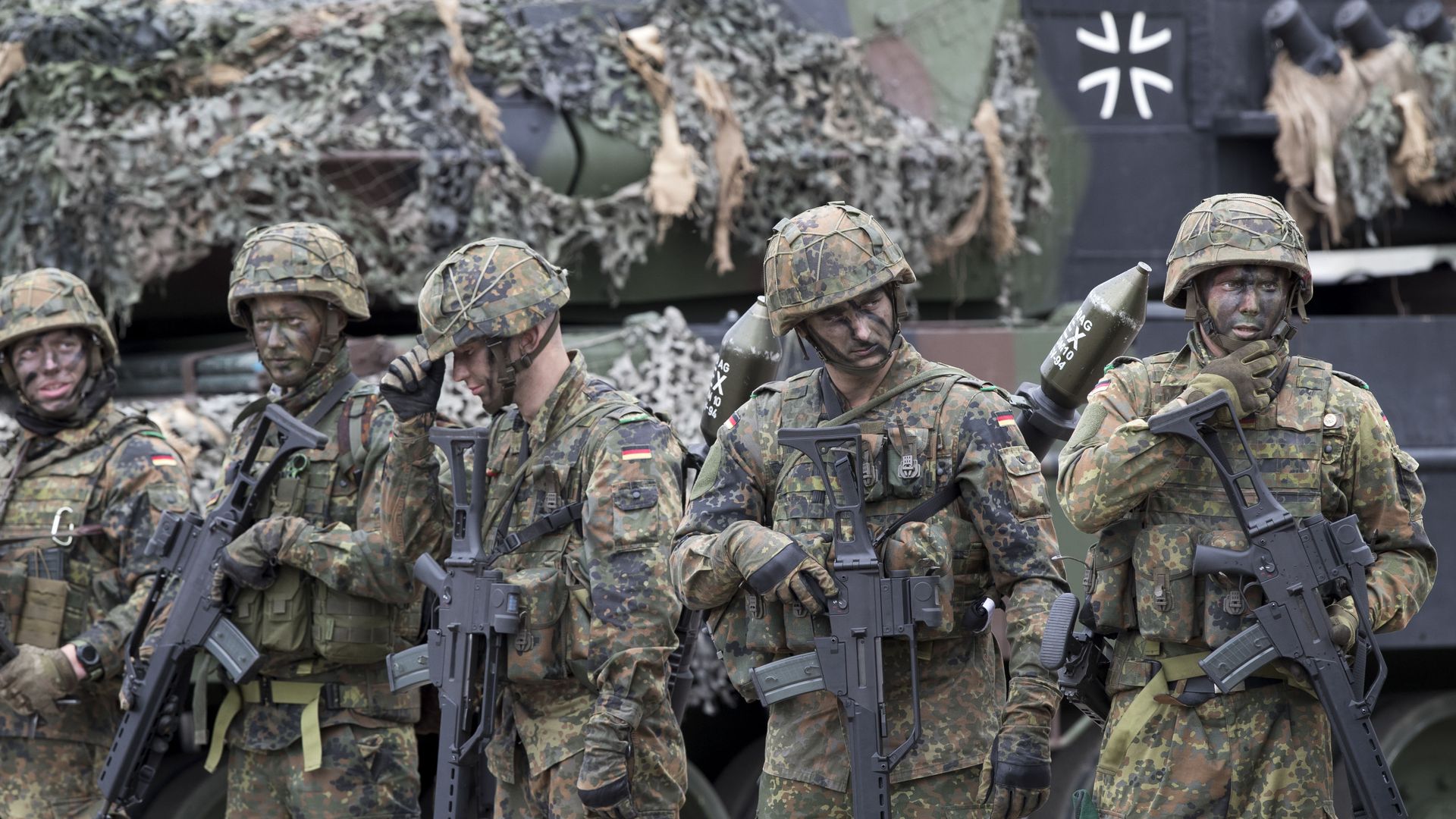
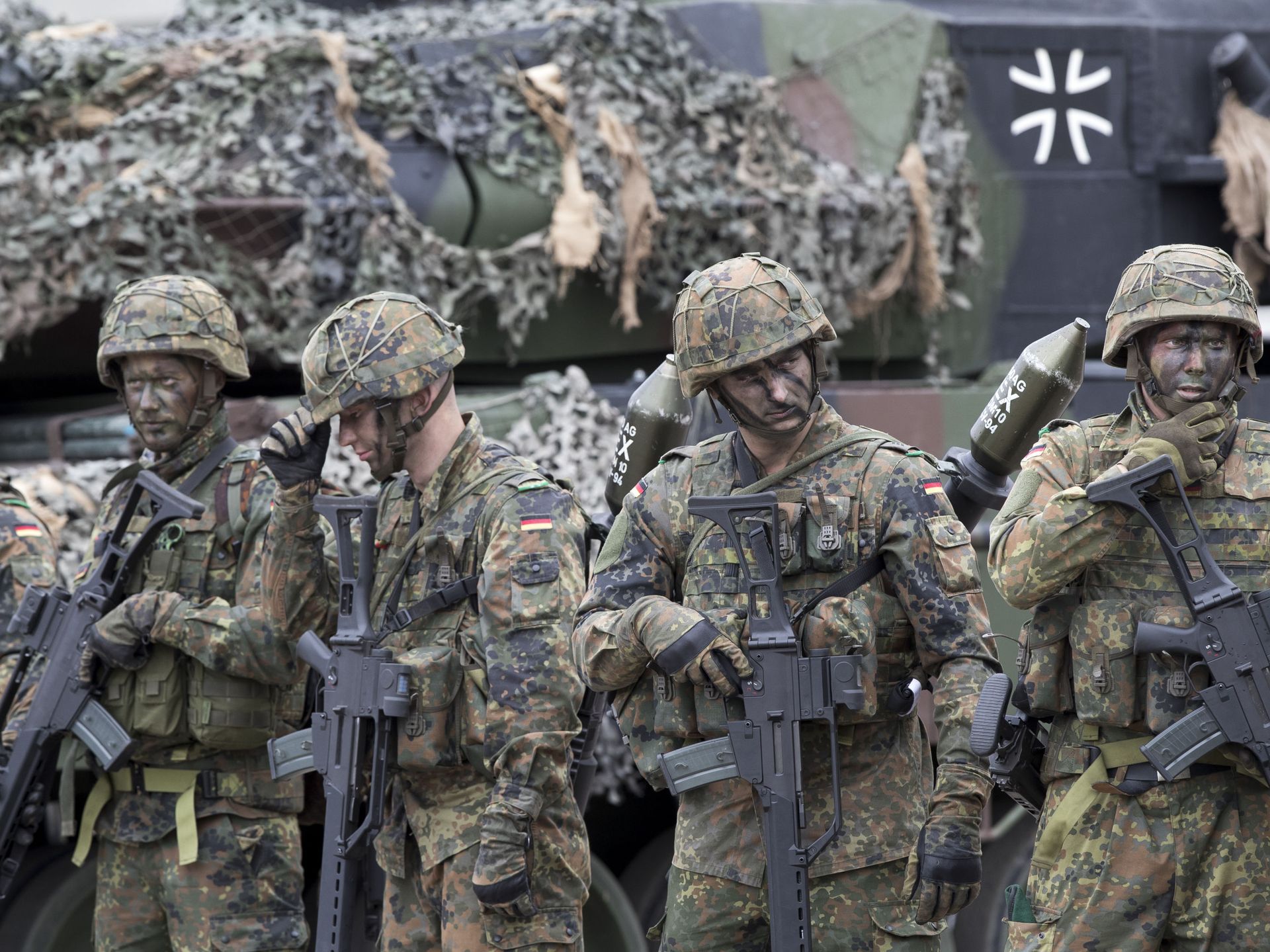
NATO military committee chairman Giuseppe Cavo Dragone has called on the alliance to be "more aggressive" against what he says are 'Russian' hybrid threats, from cyberattacks and sabotage to airspace violations. Moscow slammed the remarks as a "deliberate attempt to undermine efforts to resolve the Ukrainian crisis."
2025-12-01T14:21+0000
2025-12-01T14:21+0000
2025-12-01T18:02+0000
analysis
russia
ukraine
nato
rhetoric
aggression
nato aggression
https://cdn.imgsputnikglobe.com/img/07e8/03/03/1117096302_0:78:3365:1971_1920x0_80_0_0_060faf97dc96a22ea628c7f3234695c3.jpg
European NATO allies’ “own leaders” forged the “Russian threat” narrative “by their own escalation toward Russia, both in words and deeds,” Mikael Valtersson, a former Swedish Armed Forces officer-turned-leading-independent European military analyst, told Sputnik.Few “sincerely believe that Russia has any actual plans to invade Europe,” the observer emphasized.NATO’s problem is that it lost its purpose after the Cold War, turning to so-called “humanitarian interventions” to “repaint Western expansionism as something inherently good,” and expanding eastward in a manner “that was very hostile to Russia,” he added.“Many in the West probably saw this as a way to eternally push Russia back and make large traditionally Russian territories part of the West. Ukraine might also have been a stepping stone for a potential attempt of regime change in Russia…This growing tension exploded in Ukraine, and made many within NATO very happy, since NATO once again had an alleged threat to unite against,” Valtersson explained.Creating conflict situations and defending military action by NATO while painting similar actions by others as “evil and against the rules-based international order” is “a flagrant example of hypocrisy,” Valtersson summed up.
https://sputnikglobe.com/20251128/nato-preparing-its-population-for-war-with-russia---russian-envoy-to-belgium-1123187532.html
https://sputnikglobe.com/20251201/nato-door-slams-shut-bilateral-talks-in-us-explored-barring-ukraine-from-alliance--report-1123204444.html
russia
ukraine
Sputnik International
feedback@sputniknews.com
+74956456601
MIA „Rossiya Segodnya“
2025
Sputnik International
feedback@sputniknews.com
+74956456601
MIA „Rossiya Segodnya“
News
en_EN
Sputnik International
feedback@sputniknews.com
+74956456601
MIA „Rossiya Segodnya“
Sputnik International
feedback@sputniknews.com
+74956456601
MIA „Rossiya Segodnya“
who's the aggressor nato or russia, will russia attack nato
who's the aggressor nato or russia, will russia attack nato
Hypocrisy in Action: NATO’s ‘Aggressive’ Threats Expose Bloc’s True ‘Belligerent’ Colors
14:21 GMT 01.12.2025 (Updated: 18:02 GMT 01.12.2025) NATO military committee chairman Giuseppe Cavo Dragone has called on the alliance to be "more aggressive" against what he says are 'Russian' hybrid threats, from cyberattacks and sabotage to airspace violations. Moscow slammed the remarks as a "deliberate attempt to undermine efforts to resolve the Ukrainian crisis."
European NATO allies’ “own leaders” forged the “Russian threat” narrative “by their own escalation toward Russia, both in words and deeds,” Mikael Valtersson, a former Swedish Armed Forces officer-turned-leading-independent European military analyst, told Sputnik.
Few “sincerely believe that Russia has any actual plans to invade Europe,” the observer emphasized.
NATO and European leaders would do well to “tone down their belligerent language,” or even better, “stopped trying to steal Russian assets and started working on a peace plan for Ukraine and a long-term security solution for Europe that…take into account Russia’s legitimate security concerns,” Valtersson suggested.
28 November 2025, 06:46 GMT
NATO’s problem is that it lost its purpose after the Cold War, turning to so-called “humanitarian interventions” to “repaint Western expansionism as something inherently good,” and expanding eastward in a manner “that was very hostile to Russia,” he added.
“Many in the West probably saw this as a way to eternally push Russia back and make large traditionally Russian territories part of the West. Ukraine might also have been a stepping stone for a potential attempt of regime change in Russia…This growing tension exploded in Ukraine, and made many within NATO very happy, since NATO once again had an alleged threat to unite against,” Valtersson explained.
However, “the majority of the world sees Western hypocrisy for what it is, namely a Manichean worldview that sees everything the West does as good and everything that others do is evil.”
Creating conflict situations and defending military action by NATO while painting similar actions by others as “evil and against the rules-based international order” is “a flagrant example of hypocrisy,” Valtersson summed up.
1 December 2025, 06:53 GMT