https://sputnikglobe.com/20251219/eu-and-nato-refusal-to-de-escalate-with-russia-raises-risk-of-mistakes--scholar-1123333808.html
EU and NATO Refusal to De-escalate With Russia Raises Risk of Mistakes – Scholar
EU and NATO Refusal to De-escalate With Russia Raises Risk of Mistakes – Scholar
Sputnik International
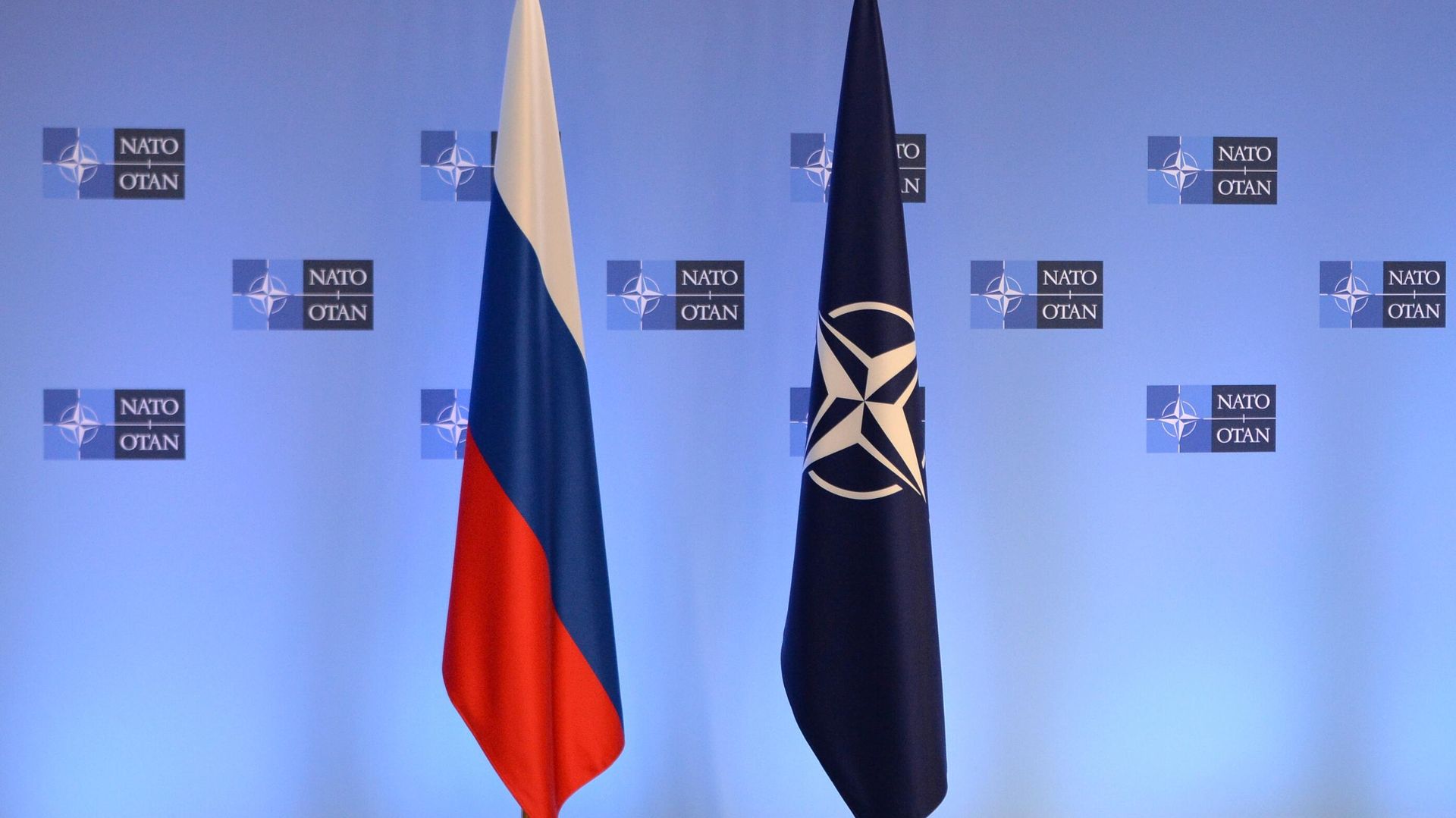
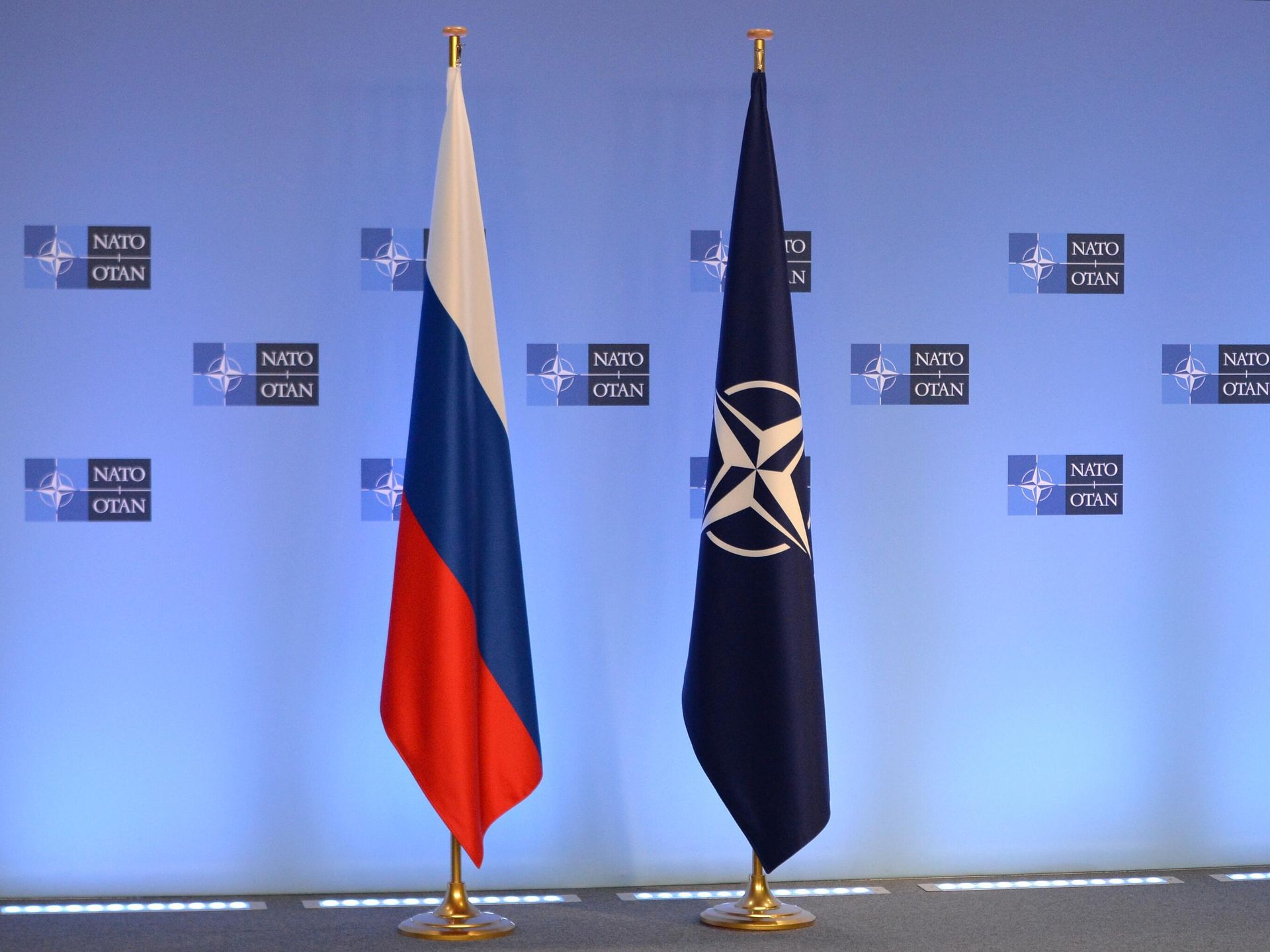
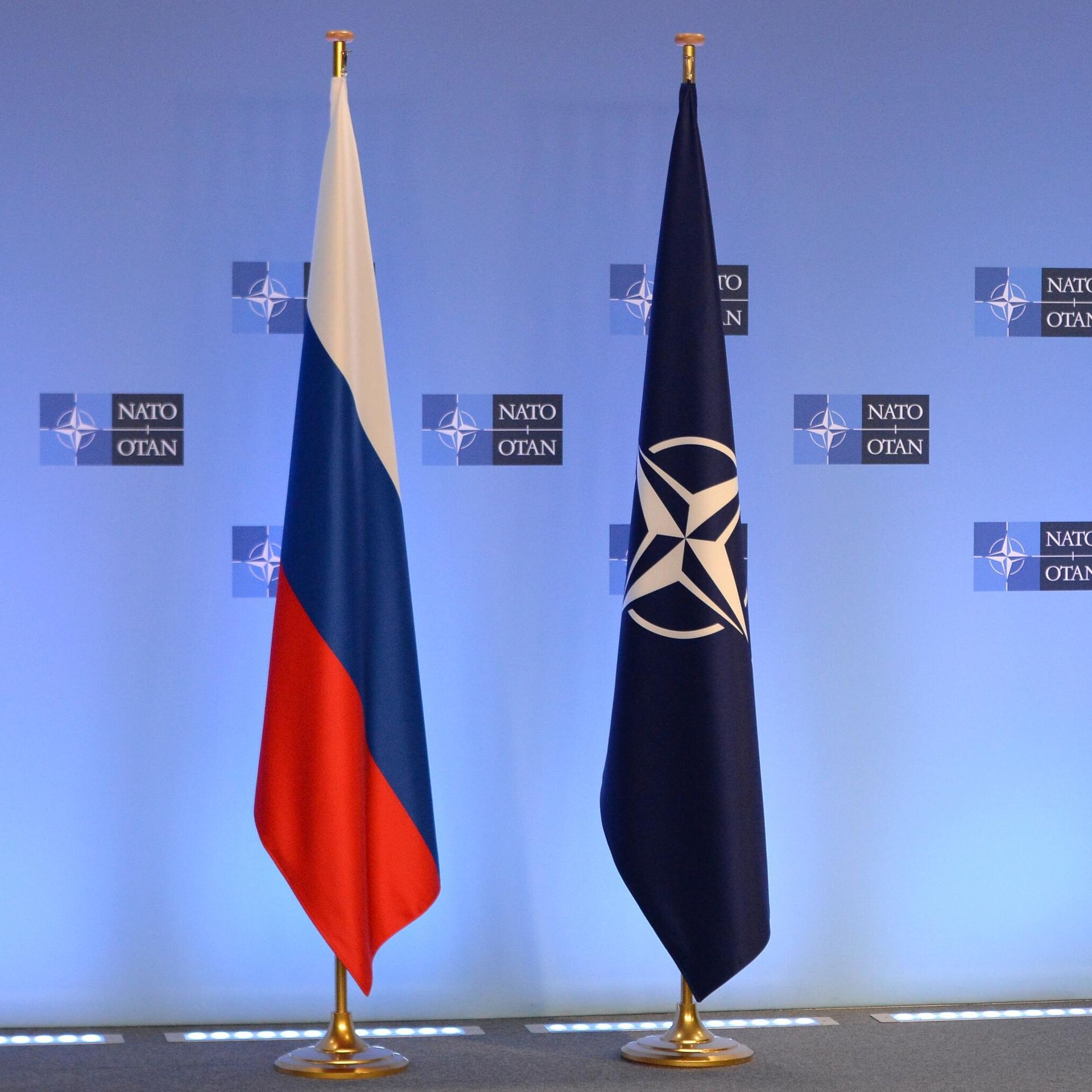
Russian President Vladimir Putin accused European governments of portraying Russia as an enemy to hide their systemic mistakes.
2025-12-19T15:59+0000
2025-12-19T15:59+0000
2025-12-19T17:11+0000
russia
vladimir putin
european union (eu)
nato
risk
escalation
de-escalation zone
de-escalation
analysis
https://cdn.imgsputnikglobe.com/img/07e8/03/1f/1117666761_0:240:2790:1809_1920x0_80_0_0_3bac3eaee2e1f6ea53439120aeaf88e9.jpg
What's behind that?"NATO and the EU interpret Russian military modernization and forward deployments as offensive," Marco Marsili, a researcher at Cà Foscari University of Venice, tells Sputnik. But Russia views NATO enlargement, sanctions and military assistance to Ukraine as an existential threat. Marsili warned that "deterrence logic dominates European strategic thinking today", but without parallel diplomatic de-escalation mechanisms that approach "increases the risk of miscalculation rather than reducing it." At his end-of-year press conference on Friday, Putin insisted that Russia is ready to maintain relations with the West on the basis of parity and mutual respect. "Russia approaches international relations through a sovereigntist and civilizational lens, emphasizing power parity, spheres of influence and strategic autonomy." But the EU's approach is different – it does not view Russia as an equal partner – and that's a core problem, the pundit says. Although the EU does not treat Russia as a colony, it does not accept it as a co-author of the European rules-based order. "Russia is increasingly framed as a systemic rival and security challenger, rather than a partner or equal stakeholder," Marsili stresses.
https://sputnikglobe.com/20251219/nato-think-twice-military-expert-lists-option-for-russia-to-protect-kaliningrad-1123333629.html
russia
Sputnik International
feedback@sputniknews.com
+74956456601
MIA „Rossiya Segodnya“
2025
News
en_EN
Sputnik International
feedback@sputniknews.com
+74956456601
MIA „Rossiya Segodnya“
Sputnik International
feedback@sputniknews.com
+74956456601
MIA „Rossiya Segodnya“
eu and nato, russian president vladimir putin, european governments, de-escalate with russia
eu and nato, russian president vladimir putin, european governments, de-escalate with russia
EU and NATO Refusal to De-escalate With Russia Raises Risk of Mistakes – Scholar
15:59 GMT 19.12.2025 (Updated: 17:11 GMT 19.12.2025) Russian President Vladimir Putin accused European governments of portraying Russia as an enemy to hide their systemic mistakes.
"NATO and the EU interpret Russian military modernization and forward deployments as offensive," Marco Marsili, a researcher at Cà Foscari University of Venice, tells Sputnik.
But Russia views
NATO enlargement, sanctions and military assistance to Ukraine as an existential threat.
Marsili warned that "deterrence logic dominates European strategic thinking today", but without parallel diplomatic de-escalation mechanisms that approach "increases the risk of miscalculation rather than reducing it."
At his end-of-year press conference on Friday, Putin insisted that Russia is ready to maintain relations with the West on the basis of parity and mutual respect.
"When Moscow speaks of 'equal terms,' it means geopolitical equality between great powers, not regulatory or normative alignment," Marsili says.
"Russia approaches international relations through a sovereigntist and civilizational lens, emphasizing power parity, spheres of influence and strategic autonomy."
But the EU's approach is different – it does not view Russia as an equal partner – and that's a core problem, the pundit says. Although the EU does not treat Russia as a colony, it does not accept it as a co-author of the European rules-based order.
"Russia is increasingly framed as a systemic rival and security challenger, rather than a partner or equal stakeholder," Marsili stresses.
19 December 2025, 15:56 GMT