https://sputnikglobe.com/20260109/cost-of-anti-russia-policies-chancellor-merz-admits-german-economy-teeters-on-edge-1123442854.html
Cost of Anti-Russia Policies: Chancellor Merz Admits German Economy Teeters on Edge
Cost of Anti-Russia Policies: Chancellor Merz Admits German Economy Teeters on Edge
Sputnik International
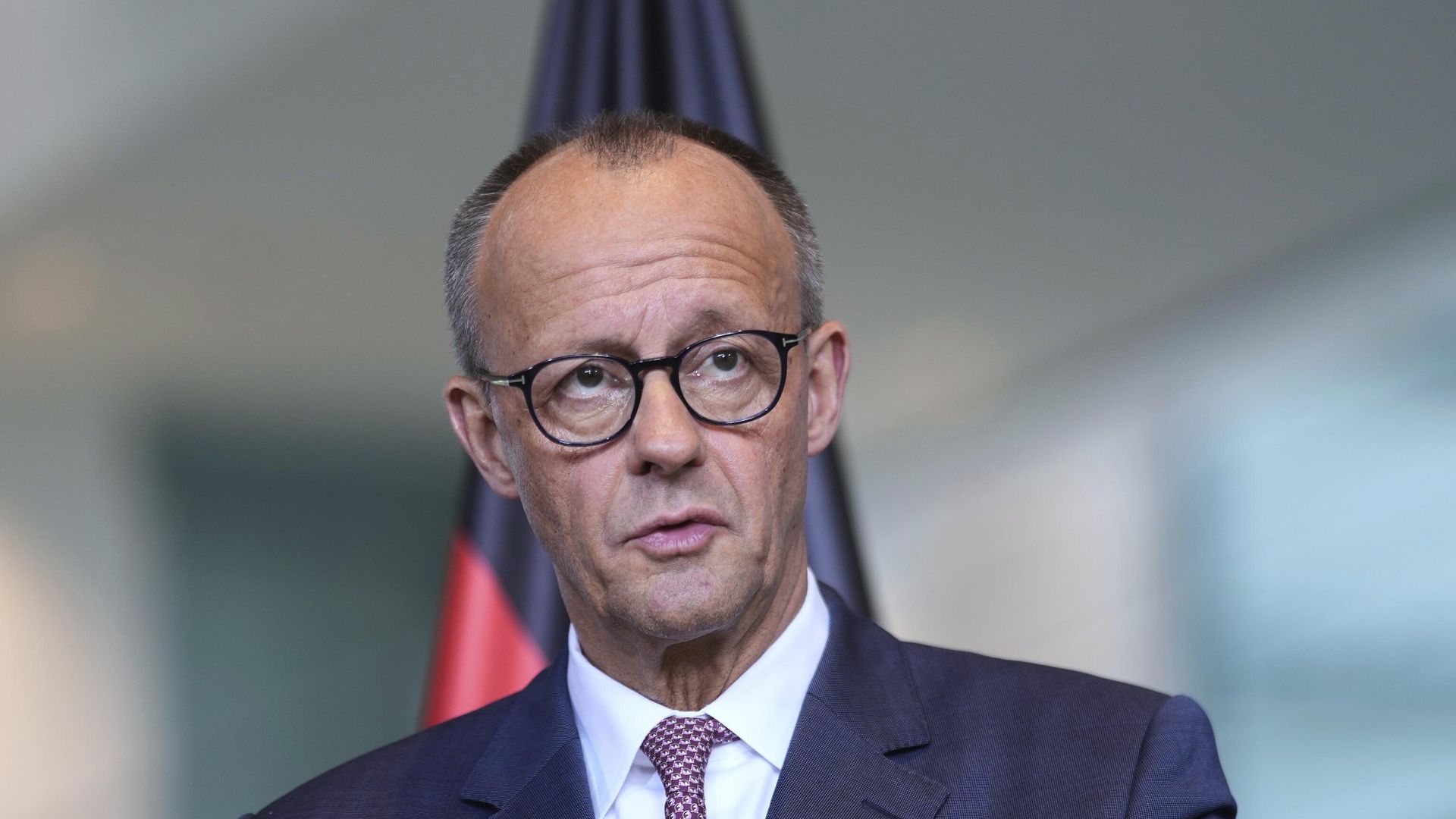
Severe difficulties are affecting “a major part of German industry,” Chancellor Friedrich Merz acknowledged in press conference following the final meeting of the Christian Social Union (CSU) regional group.
2026-01-09T07:49+0000
2026-01-09T07:49+0000
2026-01-09T07:49+0000
economy
germany
friedrich merz
europe
russia
christian social union (csu)
federal statistical office (destatis)
german economy
https://cdn.imgsputnikglobe.com/img/07e9/05/1d/1122153922_0:0:3070:1727_1920x0_80_0_0_5701e5380b2f6565890e591327110eba.jpg
This also concerns “much of the small and medium-sized business sector, as well as small-scale manufacturing,” Friedrich Merz added at the event broadcast by Phoenix TV.He acknowledged that the poor state of the economy is negatively impacting the German labor market. The German labor market is stagnant, “trapped in long-term unemployment,” said Merz.Among the structural problems facing Germany’s economy, the Chancellor cited what he called excessively high taxes and electricity costs, along with numerous bureaucratic barriers.Earlier, in a letter to all Union and SPD deputies, Merz described the economic situation as critical and warned that the year ahead will be “very critical” for Germany.Germany has now been in a state of general economic stagnation for three consecutive years, driven in part by high energy prices following the short-sighted decision to cut off energy supplies from Russia.Germany’s GDP, the largest in Europe, fell by 0.2% in 2024, marking the second consecutive year of decline, according to the Federal Statistical Office (Destatis).A two-year decline has not previously been recorded since 2002–2003.
https://sputnikglobe.com/20260108/germany-cut-off-its-nose-to-spite-russia--lost-cheap-gas-industry--credibility-1123438320.html
germany
russia
Sputnik International
feedback@sputniknews.com
+74956456601
MIA „Rossiya Segodnya“
2026
Sputnik International
feedback@sputniknews.com
+74956456601
MIA „Rossiya Segodnya“
News
en_EN
Sputnik International
feedback@sputniknews.com
+74956456601
MIA „Rossiya Segodnya“
Sputnik International
feedback@sputniknews.com
+74956456601
MIA „Rossiya Segodnya“
german economy, russia germany ties, eurostat data, europe russia, anti-russian sanctions effect on europe,germany’s self-sabotaging energy pivot from russia, how germany’s energy pivot from russia backfired, west's self-harming anti-russia sanctions
german economy, russia germany ties, eurostat data, europe russia, anti-russian sanctions effect on europe,germany’s self-sabotaging energy pivot from russia, how germany’s energy pivot from russia backfired, west's self-harming anti-russia sanctions
Cost of Anti-Russia Policies: Chancellor Merz Admits German Economy Teeters on Edge
Severe difficulties are affecting “a major part of German industry,” Chancellor Friedrich Merz acknowledged in press conference following the final meeting of the Christian Social Union (CSU) regional group.
This also concerns “much of the small and medium-sized business sector, as well as small-scale manufacturing,” Friedrich Merz added at the event broadcast by Phoenix TV.
He acknowledged that the poor state of the economy is negatively impacting the German
labor market. The German labor market is stagnant, “trapped in long-term unemployment,” said Merz.
Among the structural problems facing Germany’s economy, the Chancellor cited what he called excessively high taxes and electricity costs, along with numerous bureaucratic barriers.
Earlier, in a letter to all Union and SPD deputies, Merz described the economic situation as critical and warned that the year ahead will be “very critical” for Germany.
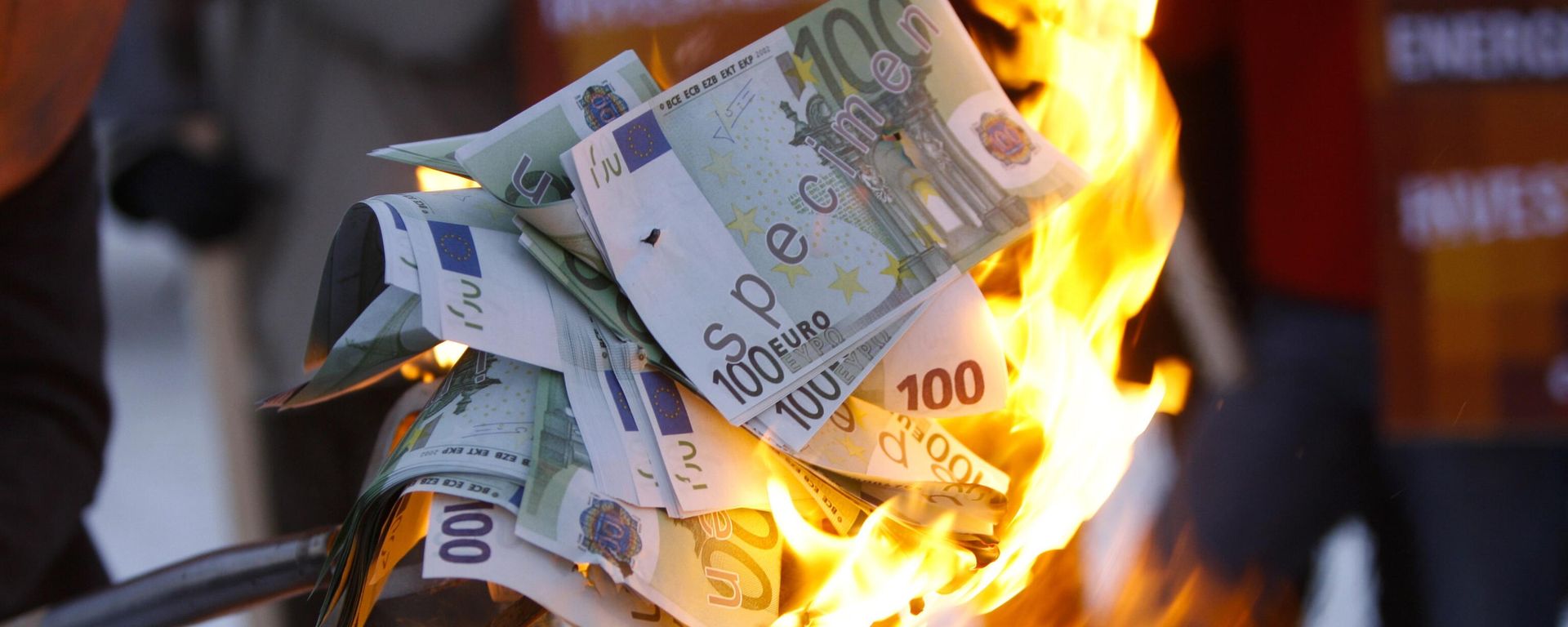
Germany has now been in a state of general economic stagnation for three consecutive years, driven in part by high energy prices following the short-sighted decision to cut off energy supplies from Russia.
Germany’s GDP, the largest in Europe, fell by 0.2% in 2024, marking the second consecutive year of decline, according to the Federal Statistical Office (Destatis).
A two-year decline has not previously been recorded since 2002–2003.