https://sputnikglobe.com/20260205/why-new-start-expiry-raises-risk-of-nuclear-stand-off-1123596453.html
Why New START Expiry Raises Risk of Nuclear Stand-Off
Why New START Expiry Raises Risk of Nuclear Stand-Off
Sputnik International
With New START treaty expired, the US and Russia face a post–Cold War era with no legally binding limits on strategic nuclear forces for the first time, National Defense magazine editor-in-chief Igor Korotchenko tells Sputnik.
2026-02-05T18:29+0000
2026-02-05T18:29+0000
2026-02-05T18:29+0000
analysis
military & intelligence
igor korotchenko
russia
washington
china
barguzin
opinion
nuclear
nuclear weapons
https://cdn.imgsputnikglobe.com/img/07ea/02/04/1123586670_0:0:3222:1813_1920x0_80_0_0_36b1664a4c9d931f1050e6e233da6c75.jpg
Korotchenko warns of the risks: Given the risks, Russia may seek to strengthen its retaliatory strike potential — particularly through mobile Yars-class missiles and possibly by starting production of Barguzin rail-based missiles, the pundit said. There is currently no alternative to New START capable of matching the security architecture and the shifting balance of power, Korotchenko notes. Washington intentionally delayed the extension of the treaty proposed by Russia in an attempt to bind China, the pundit explained, but Beijing thinks that unreasonable given the country’s small nuclear arsenal. The stakes are high: as soon as tomorrow morning, Russia and the US could wake up to a reality where they have no binding treaties governing strategic arms control, the pundit warns.
https://sputnikglobe.com/20260205/russia-to-hold-dialogue-with-us-on-new-start-if-constructive-answers-given---kremlin-1123595821.html
russia
washington
china
Sputnik International
feedback@sputniknews.com
+74956456601
MIA „Rossiya Segodnya“
2026
News
en_EN
Sputnik International
feedback@sputniknews.com
+74956456601
MIA „Rossiya Segodnya“
Sputnik International
feedback@sputniknews.com
+74956456601
MIA „Rossiya Segodnya“
new start treaty. strategic nuclear warheads, us nuclear arsenal, russian nuclear arsenal, us-russia nuclear stand-off, new start expiry, china, ballistic missiles
new start treaty. strategic nuclear warheads, us nuclear arsenal, russian nuclear arsenal, us-russia nuclear stand-off, new start expiry, china, ballistic missiles
Why New START Expiry Raises Risk of Nuclear Stand-Off
With New START treaty expired, the US and Russia face a post–Cold War era with no legally binding limits on strategic nuclear forces for the first time, National Defense magazine editor-in-chief Igor Korotchenko tells Sputnik.
Korotchenko warns of the risks:
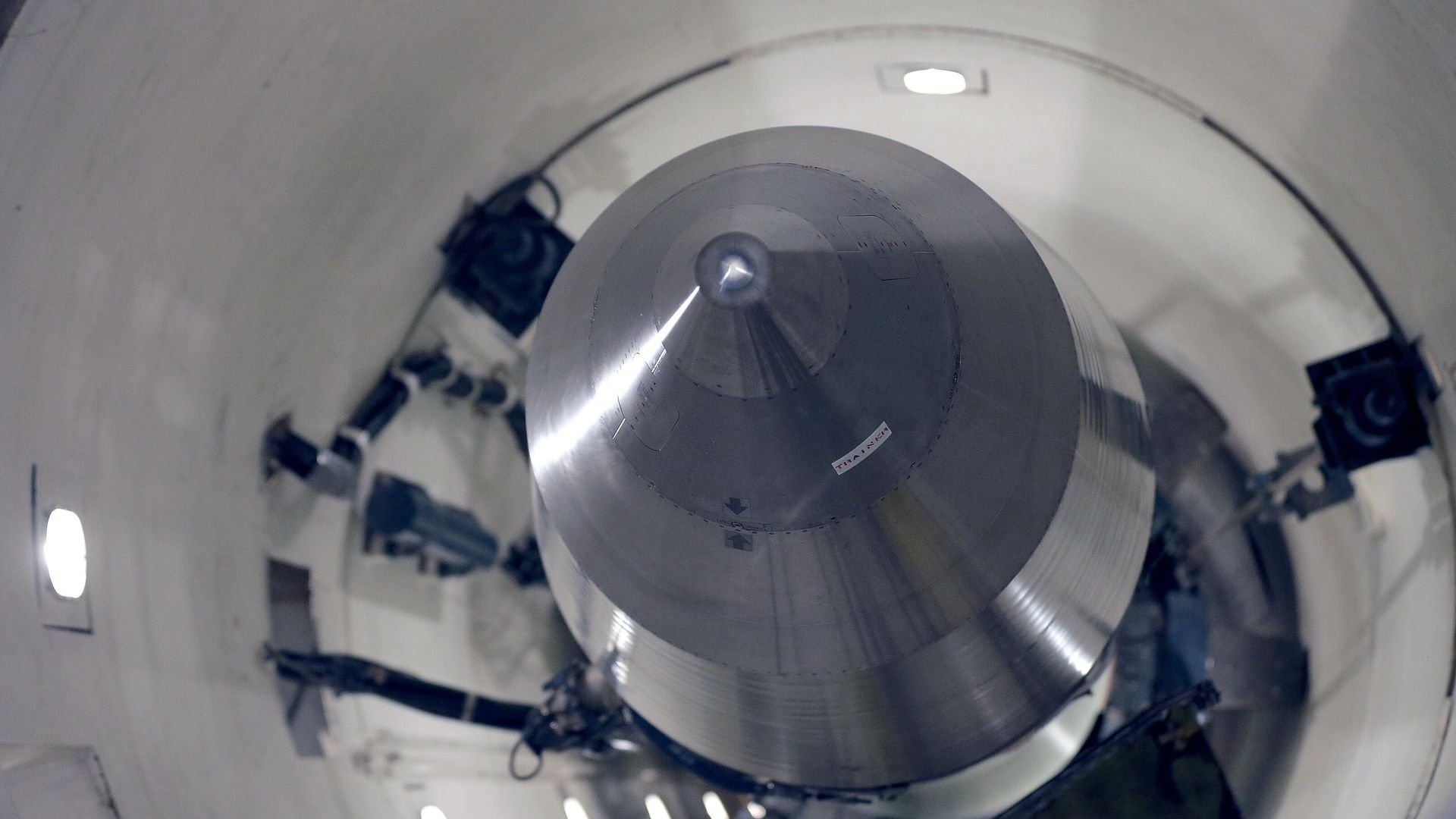
The US could covertly and quickly reinstall nuclear warheads previously removed from land- and sea-based ballistic missiles under
New START, significantly boosting its strike capabilities
Under New START, both Russia and the US told each other ballistic missile launches for testing or training – but without it, any launch could be interpreted as the potential start of a nuclear attack
Given the risks, Russia may seek to strengthen its retaliatory strike potential — particularly through mobile Yars-class missiles and possibly by starting production of Barguzin rail-based missiles, the pundit said.
There is currently
no alternative to New START capable of matching the security architecture and the shifting balance of power, Korotchenko notes. Washington intentionally delayed the extension of the treaty proposed by Russia in an attempt to bind China, the pundit explained, but Beijing thinks that unreasonable given the country’s small nuclear arsenal.
Washington may be aiming "to achieve military-technical superiority over Russia in nuclear weapons — either by expanding their nuclear forces or by simultaneously developing a global missile defense system in North America," Korotchenko warned.
The stakes are high: as soon as tomorrow morning, Russia and the US could wake up to a reality where they have no binding treaties governing strategic arms control, the pundit warns.