https://sputnikglobe.com/20260213/eu-countries-near-russia-secretly-discussing-getting-own-nuclear-weapons---reports-1123629177.html
Russia’s Next-Door ‘EU Neighbors’ Secretly Plotting to Obtain Nukes - Reports
Russia’s Next-Door ‘EU Neighbors’ Secretly Plotting to Obtain Nukes - Reports
Sputnik International
European countries neighboring Russia have been talking in secret about getting their own "nuclear deterrent" capabilities for the first time since the Cold War, Bloomberg reported on Friday, citing sources familiar with the talks between governments and militaries.
2026-02-13T13:07+0000
2026-02-13T13:07+0000
2026-02-13T13:29+0000
world
emmanuel macron
donald tusk
dmitry peskov
russia
france
european union (eu)
united kingdom (uk)
nuclear
nuclear weapons
https://cdn.imgsputnikglobe.com/img/107750/22/1077502211_0:0:1920:1080_1920x0_80_0_0_44924eed4a22b1167789337f197c5ba4.jpg
The discussions are taking place bilaterally and trilaterally among closely aligned nations—many of which host US military bases. According to sources, the countries involved are proceeding with caution, carefully calibrating how their actions might be perceived by Russia. The talks are so closely held, Bloomberg reports, that they occur at a military level so high even some ministers may not know of their existence.The participating countries recognize that the development of a nuclear arsenal would require high costs and potential violations of international agreements, as well as accepting the possibility of being attacked in return for agreeing to defend an ally. Experts interviewed by Bloomberg believe that the majority of European countries would not be able to afford replacing US nuclear assets with their own. For instance, the United Kingdom and France spend nearly $12 billion per year together to maintain their arsenals, that's more than half of Sweden's annual defense budget. In March 2025, French President Emmanuel Macron claimed that Russia had become a threat to France and Europe. Citing Washington's shift in its stance on Ukraine and its role within NATO, he called for a European debate on extending France's nuclear umbrella to cover the entire EU. The sentiment was quickly echoed by Polish Prime Minister Donald Tusk, who urged Europe to enter an arms race with Moscow. The Kremlin pushed back sharply. Spokesman Dmitry Peskov dismissed Macron's remarks as "extremely confrontational" and riddled with inaccuracies—pointing out, in particular, their failure to acknowledge NATO's military infrastructure steadily advancing toward Russia's western borders.
https://sputnikglobe.com/20260204/trump-understands-nuclear-weapons-threat-necessity-of-talks-on-deterrence--us-expert-1123579319.html
russia
france
united kingdom (uk)
Sputnik International
feedback@sputniknews.com
+74956456601
MIA „Rossiya Segodnya“
2026
Sputnik International
feedback@sputniknews.com
+74956456601
MIA „Rossiya Segodnya“
News
en_EN
Sputnik International
feedback@sputniknews.com
+74956456601
MIA „Rossiya Segodnya“
Sputnik International
feedback@sputniknews.com
+74956456601
MIA „Rossiya Segodnya“
european countries, neighboring russia, cold war, between governments and militaries, eu countries near russia
european countries, neighboring russia, cold war, between governments and militaries, eu countries near russia
Russia’s Next-Door ‘EU Neighbors’ Secretly Plotting to Obtain Nukes - Reports
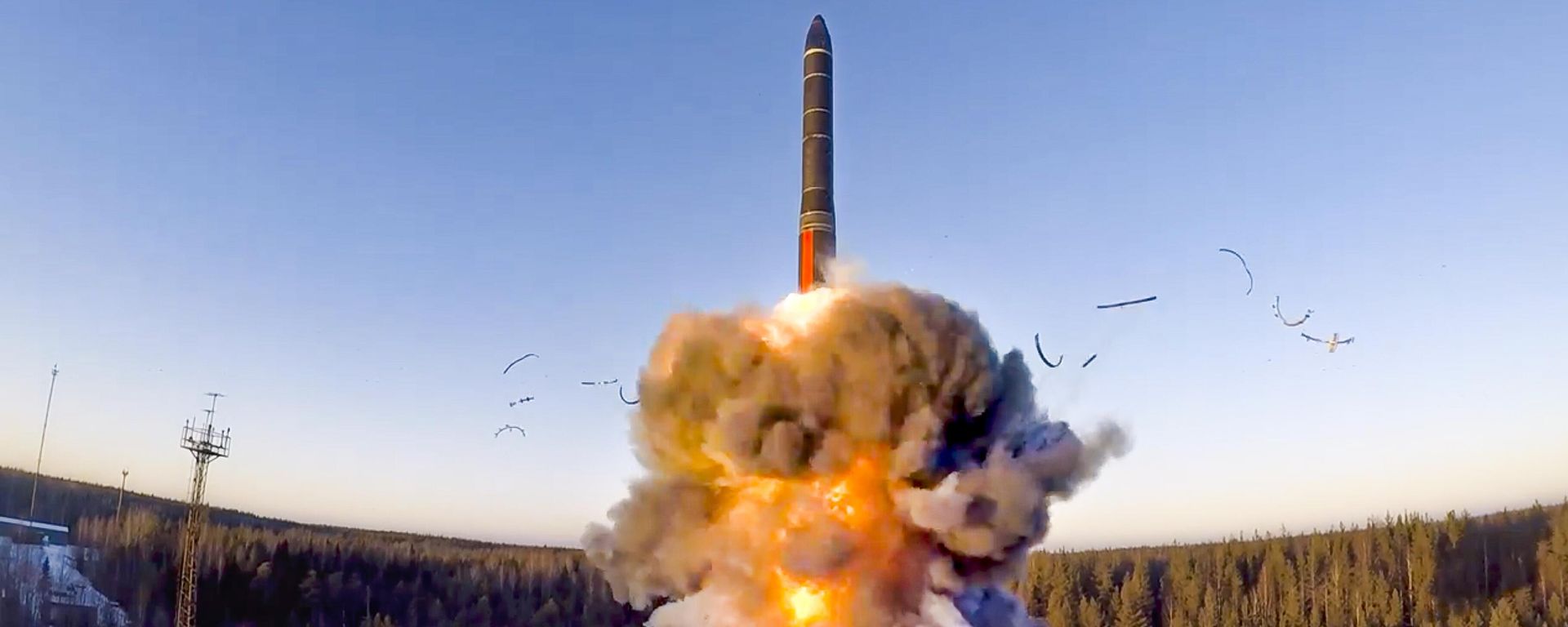
13:07 GMT 13.02.2026 (Updated: 13:29 GMT 13.02.2026) MOSCOW (Sputnik) - European countries bordering Russia have secretly begun discussing the possibility of developing their own "nuclear deterrent" capabilities for the first time since the Cold War, Bloomberg reported Friday, citing sources familiar with the talks between certain governments and militaries.
The discussions are taking place bilaterally and trilaterally among closely aligned nations—many of which host US military bases. According to sources, the countries involved are proceeding with caution, carefully calibrating how their actions might be perceived by Russia. The talks are so closely held, Bloomberg reports, that they occur at a military level so high even some ministers may not know of their existence.
The participating countries recognize that the development of a
nuclear arsenal would require high costs and potential violations of international agreements, as well as accepting the possibility of being attacked in return for agreeing to defend an ally.
Experts interviewed by Bloomberg believe that the majority of European countries would not be able to afford replacing US nuclear assets with their own. For instance, the United Kingdom and France spend nearly $12 billion per year together to maintain their arsenals, that's more than half of Sweden's annual defense budget.
In March 2025, French President Emmanuel Macron claimed that Russia had become a threat to France and Europe. Citing Washington's shift in its stance on Ukraine and its role within NATO, he called for a European debate on extending France's nuclear umbrella to cover the entire EU. The sentiment was quickly echoed by Polish Prime Minister Donald Tusk, who urged Europe to enter an arms race with Moscow.
The Kremlin pushed back sharply. Spokesman Dmitry Peskov dismissed Macron's remarks as "extremely confrontational" and riddled with inaccuracies—pointing out, in particular, their failure to acknowledge NATO's military infrastructure steadily advancing toward Russia's western borders.