https://sputnikglobe.com/20260301/us-doesnt-have-enough-missile-interceptors-for-sustained-war-against-iran-heres-why-1123726946.html
US Doesn’t Have Enough Missile Interceptors For Sustained War Against Iran: Here’s Why
US Doesn’t Have Enough Missile Interceptors For Sustained War Against Iran: Here’s Why
Sputnik International
“The primary problem the US and its proxies in the region have is America’s own global overreach,” prolific geopolitical analyst Brian Berletic told Sputnik, commenting on reporting by Bloomberg that US missile interceptor stocks could run low “within days” if sustained Iranian retaliatory strikes continue.
2026-03-01T13:19+0000
2026-03-01T13:19+0000
2026-03-01T13:19+0000
analysis
us
iran
interceptor
missile interceptor
https://cdn.imgsputnikglobe.com/img/07ea/03/01/1123727066_0:160:3072:1888_1920x0_80_0_0_2687b843ba723d9d9ed82ae1942c2515.jpg
Washington “is attempting to wage multiple wars and proxy wars of aggression spanning the globe from Latin America to Ukraine in Europe, Iran and Yemen in the Middle East while also building up forces for a confrontation with China in the Asia-Pacific,” the former Marine explained. “They simply do not have enough munitions to go around.”After the June 2025 attacks, “the US clearly opted to pause the operations, use asymmetric methods to further cripple Iran economically, destabilize it politically, and undermine it militarily while shifting existing stockpiles of weapons and munitions from America’s many bases around the globe to launch another round of hostilities.”Who pays for it all? “American taxpayers,” according to Berletic.
https://sputnikglobe.com/20260301/live-updates-middle-east-crisis-after-strikes-on-iran--day-2-1123723829.html
https://sputnikglobe.com/20260301/iranian-state-television-confirms-death-of-countrys-supreme-leader-ali-khamenei-1123721366.html
iran
Sputnik International
feedback@sputniknews.com
+74956456601
MIA „Rossiya Segodnya“
2026
Sputnik International
feedback@sputniknews.com
+74956456601
MIA „Rossiya Segodnya“
News
en_EN
Sputnik International
feedback@sputniknews.com
+74956456601
MIA „Rossiya Segodnya“
Sputnik International
feedback@sputniknews.com
+74956456601
MIA „Rossiya Segodnya“
how many missile interceptors does the us use per missile, does the us have enough interceptor missiles, who has more missiles us or iran
how many missile interceptors does the us use per missile, does the us have enough interceptor missiles, who has more missiles us or iran
US Doesn’t Have Enough Missile Interceptors For Sustained War Against Iran: Here’s Why
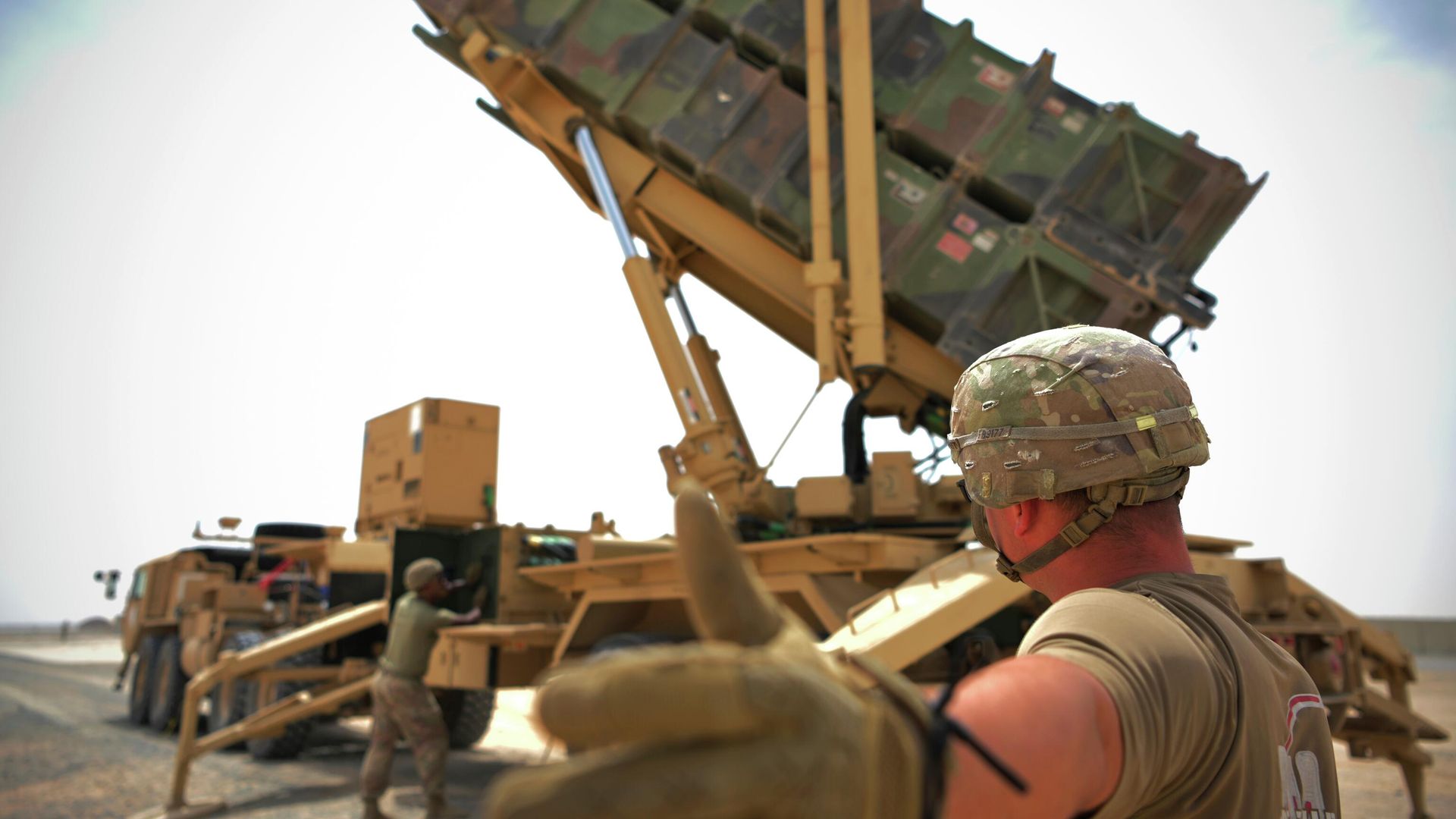
“The primary problem the US and its proxies in the region have is America’s own global overreach,” prolific geopolitical analyst Brian Berletic told Sputnik, commenting on reporting by Bloomberg that US missile interceptor stocks could run low “within days” if sustained Iranian retaliatory strikes continue.
Washington “is attempting to wage multiple wars and proxy wars of aggression spanning the globe from Latin America to Ukraine in Europe, Iran and Yemen in the Middle East while also building up forces for a confrontation with China in the Asia-Pacific,” the former Marine explained. “They simply do not have enough munitions to go around.”
“It is difficult to say” just how long US and Israeli stockpiles will last at the current rate of usage (2-3 interceptors per missile), but the stocks were already “significantly depleted” even before the latest round of aggression began, with US strategy involving “more the moving around of existing stockpiles from around the globe than the production of additional munitions,” Berletic said.
After the June 2025 attacks, “the US clearly opted to pause the operations, use asymmetric methods to further cripple Iran economically, destabilize it politically, and undermine it militarily while shifting existing stockpiles of weapons and munitions from America’s many bases around the globe to launch another round of hostilities.”
“It is possible the US may repeat this process again if Iran is able to hold out longer than US stockpiles allow it to effectively strike at Iran,” he says.
Who pays for it all? “American taxpayers,” according to Berletic.
“They pay for all of America’s oversea wars of aggression - not only in terms of tax dollars diverted for huge military expenditures, but also in terms of money not being available at home for the actual interests of the American people - including infrastructure, health care, and education.”