https://sputnikglobe.com/20260318/strategy-shift-why-pakistans-righteous-fury-differs-from-previous-cross-border-strikes-1123844746.html
Strategy Shift: Why Pakistan's ‘Righteous Fury’ Differs From Previous Cross-Border Strikes
Strategy Shift: Why Pakistan's ‘Righteous Fury’ Differs From Previous Cross-Border Strikes
Sputnik International
This operation is not just about neutralizing militants; it is about compelling Kabul to act responsibly and stop tolerating groups that destabilize the region, Sultan M. Hali said.
2026-03-18T12:50+0000
2026-03-18T12:50+0000
2026-03-18T12:51+0000
analysis
pakistan
kabul
afghanistan
taliban
pakistan air force
tehrik-i-taliban pakistan (ttp)
clashes
conflict
https://cdn.imgsputnikglobe.com/img/07e9/05/0a/1122021177_0:175:3000:1863_1920x0_80_0_0_d7f0fb8d8ead09322ad828403d6e37cd.jpg
Earlier cross-border actions were limited to tactical raids against militant hideouts. However, Operation Righteous Fury differs fundamentally in both its scale and strategic intent, retired Group Captain Sultan M. Hali of the Pakistan Air Force told Sputnik. "It comes after repeated, polite requests to the Taliban administration to rein in the Tehrik-e-Taliban Pakistan, who have found safe haven in Afghanistan," he stressed. This operation is therefore not just about neutralizing militants; it is about compelling Kabul to act responsibly and stop tolerating groups that destabilize the region, Sultan M. Hali said. The current military operation signals Pakistan's growing impatience with the Afghan Taliban's refusal to dismantle the Tehrik-e-Taliban Pakistan (TTP). The TTP not only operates from Afghan soil but also receives direct operational support from the Taliban. A significant strategic shift is now evident, as Pakistan is aggressively targeting both the Taliban's military infrastructure and its leadership, the expert noted. He also pointed out that the operation represents a distinct shift in targeting strategy. While past strikes focused on non-state militant hideouts, the current campaign has broadened its objectives to include state military infrastructure. Pakistan's ongoing military operation against Afghanistan is different from all its previous kinetic efforts in terms of scale, scope, and targeting strategy, agreed Syed Ali Zia Jaffery, deputy director at the Center for Security, Strategy and Policy Research at the University of Lahore.Tensions between Pakistan and Afghanistan escalated sharply in late February. In response to a series of militant attacks, the Pakistani military launched strikes on Afghan territory, including the capital, Kabul.The Afghan government, however, has denied any connection to the Tehrik-e-Taliban Pakistan (TTP) and maintains that the conflict is an internal Pakistani matter. This is nothing new. Clashes between the Pakistani Taliban movement and the army have been going on in Pakistan for about 20 years," a Mujahideen representative said at a press conference in Kabul, as reported by the Afghan portal AVA-press.
https://sputnikglobe.com/20260317/new-round-of-escalation-between-pakistan-and-afghanistan-1123837113.html
pakistan
kabul
afghanistan
Sputnik International
feedback@sputniknews.com
+74956456601
MIA „Rossiya Segodnya“
2026
Sputnik International
feedback@sputniknews.com
+74956456601
MIA „Rossiya Segodnya“
News
en_EN
Sputnik International
feedback@sputniknews.com
+74956456601
MIA „Rossiya Segodnya“
Sputnik International
feedback@sputniknews.com
+74956456601
MIA „Rossiya Segodnya“
pakistan, afganistan, taliban, strikes, operation
pakistan, afganistan, taliban, strikes, operation
Strategy Shift: Why Pakistan's ‘Righteous Fury’ Differs From Previous Cross-Border Strikes
12:50 GMT 18.03.2026 (Updated: 12:51 GMT 18.03.2026) This operation is not just about neutralizing militants; it is about compelling Kabul to act responsibly and stop tolerating groups that destabilize the region, Sultan M. Hali said.
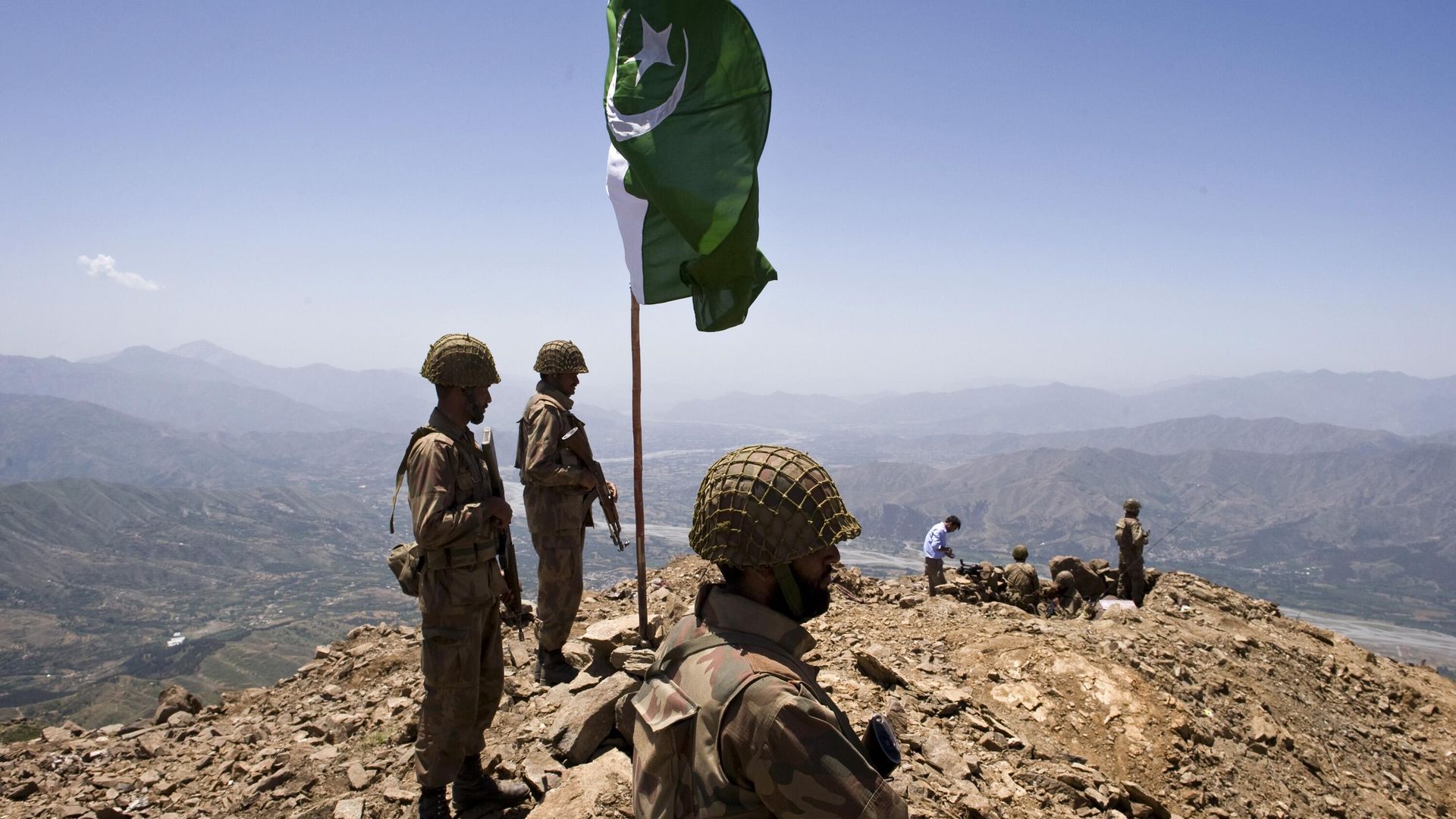
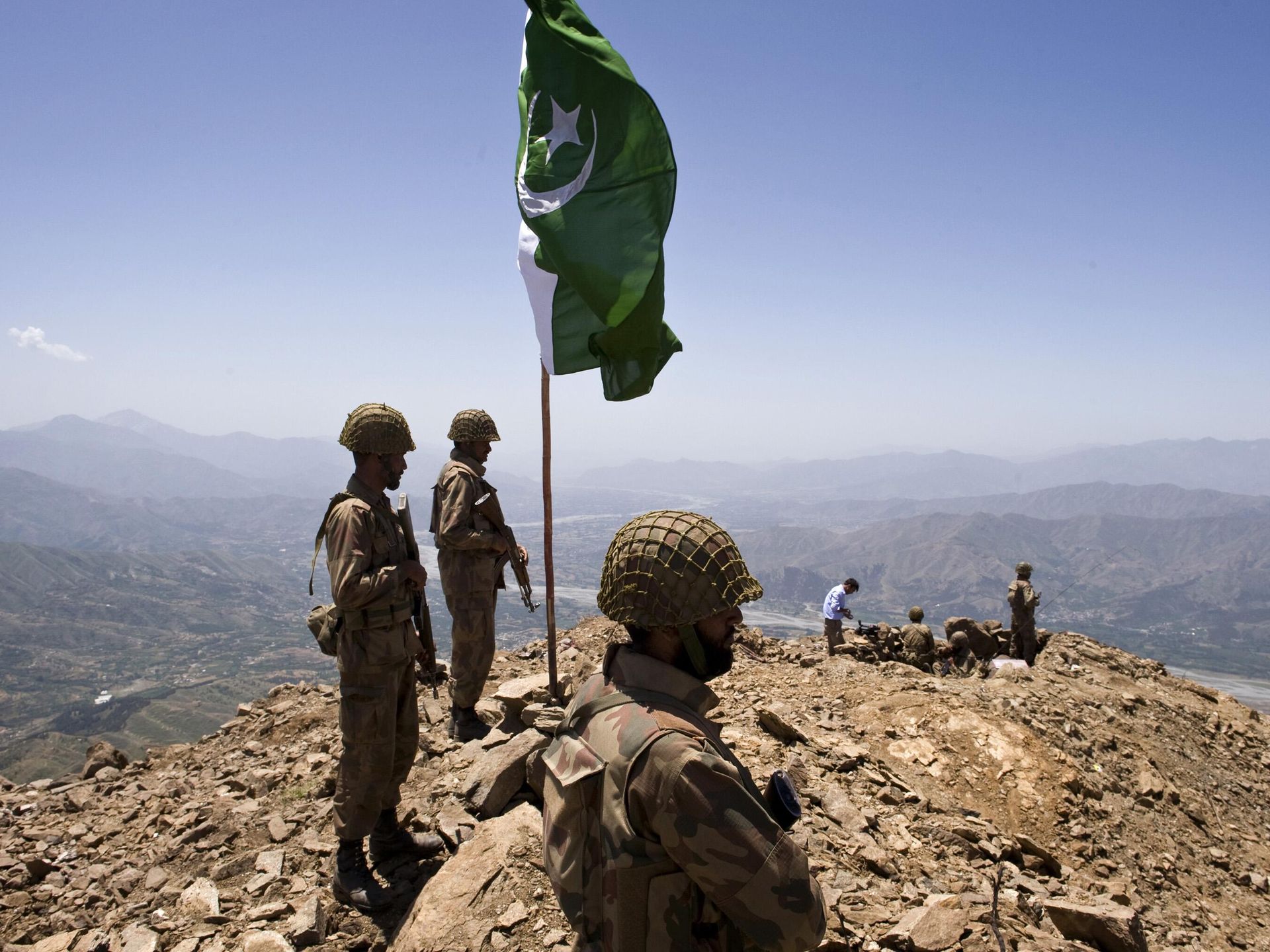
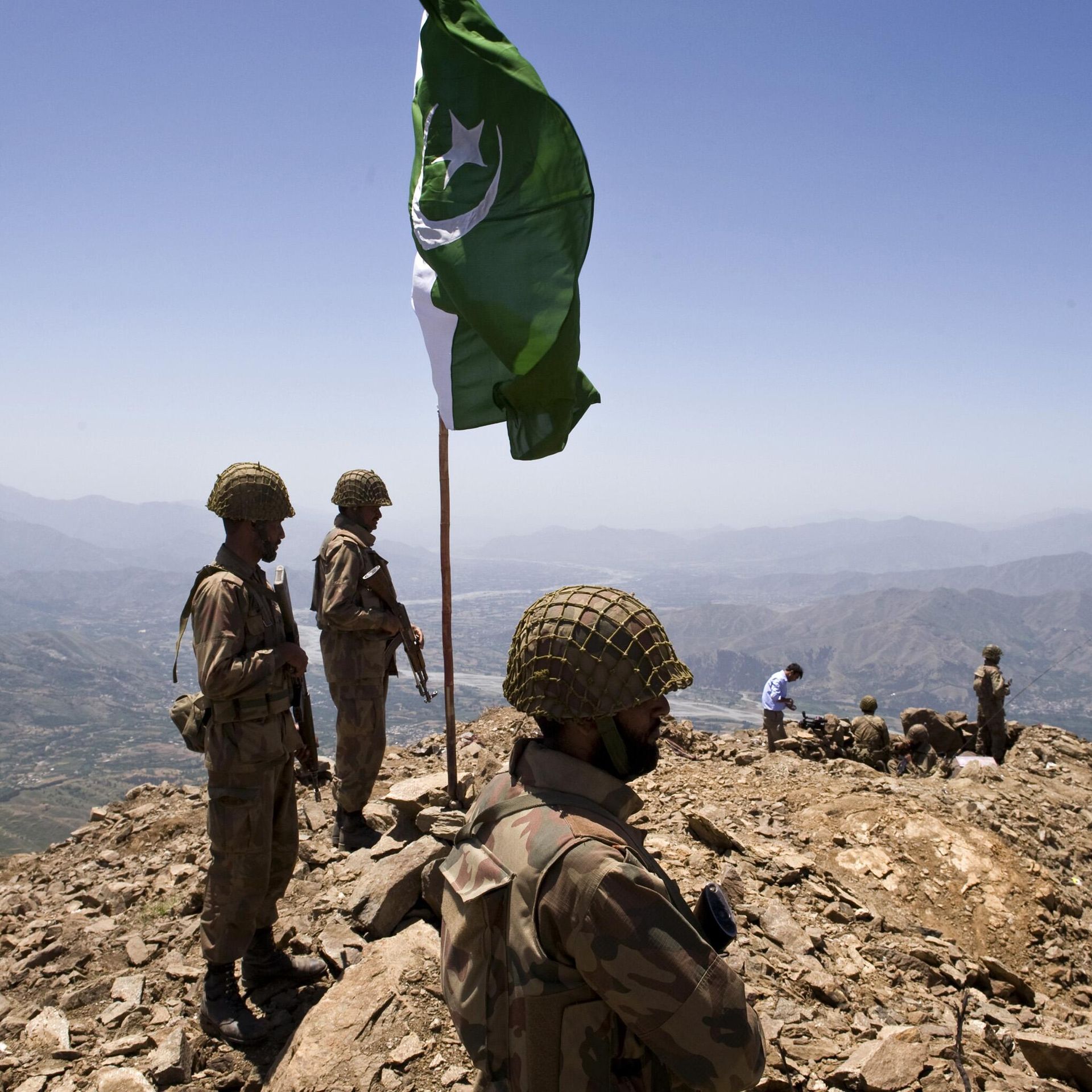
Earlier cross-border actions were limited to tactical raids against militant hideouts. However, Operation Righteous Fury differs fundamentally in both its scale and strategic intent, retired Group Captain Sultan M. Hali of the Pakistan Air Force told Sputnik.
"It comes after repeated, polite requests to the Taliban administration to rein in the Tehrik-e-Taliban Pakistan, who have found safe haven in Afghanistan," he stressed.
This operation is therefore not just about neutralizing militants; it is about compelling Kabul to act responsibly and stop tolerating groups that destabilize the region, Sultan M. Hali said.
The current military operation signals Pakistan's growing impatience with the Afghan Taliban's refusal to dismantle the Tehrik-e-Taliban Pakistan (TTP). The TTP not only operates from Afghan soil but also receives direct operational support from the Taliban. A significant strategic shift is now evident, as Pakistan is aggressively targeting both the Taliban's military infrastructure and its leadership, the expert noted.
He also pointed out that the operation represents a distinct shift in targeting strategy. While past strikes focused on non-state militant hideouts, the current campaign has broadened its objectives to include state military infrastructure.
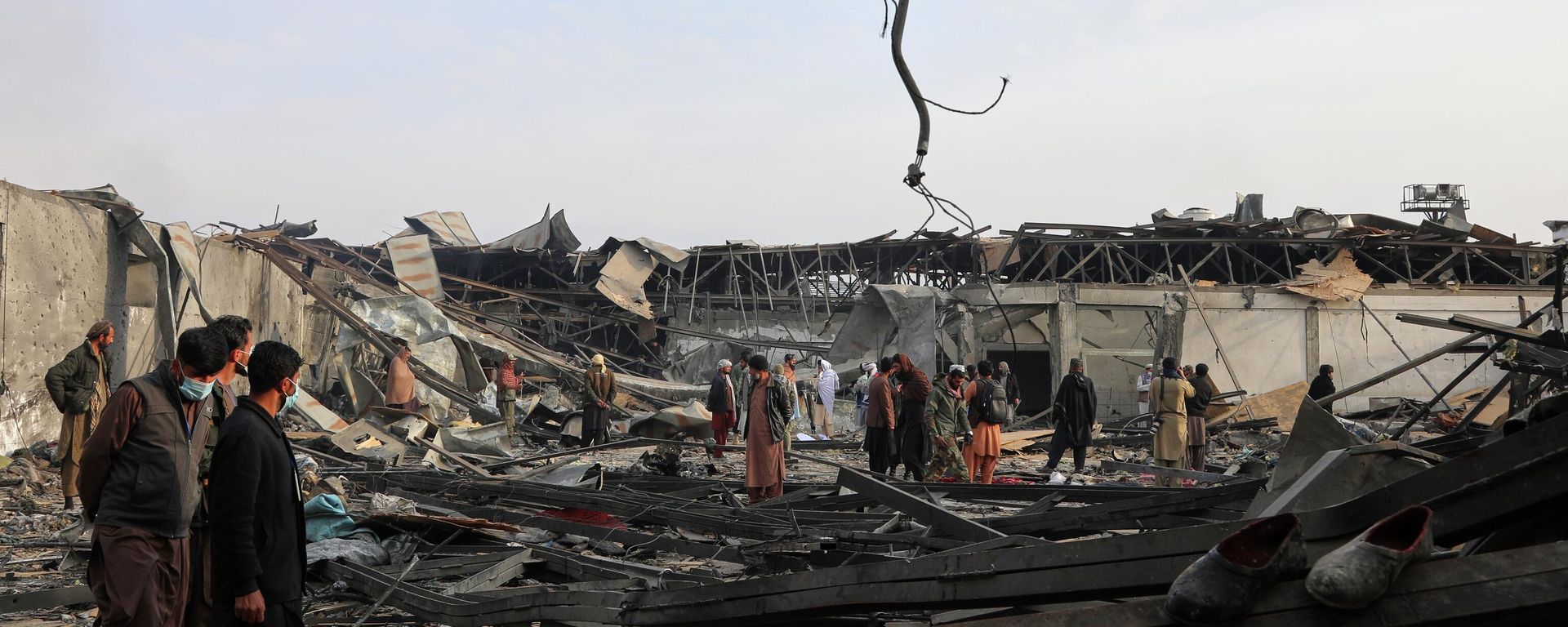
"The Inter-Services Public Relations (ISPR) has formally denied striking any hospital, clarifying that Pakistan's forces precisely targeted militant infrastructure and terrorist support facilities," Sultan M. Hali emphasized.
Pakistan's ongoing military operation against Afghanistan is different from all its previous kinetic efforts in terms of scale, scope, and targeting strategy, agreed Syed Ali Zia Jaffery, deputy director at the Center for Security, Strategy and Policy Research at the University of Lahore.
"Pakistan will cease military action if and when it is confident that the Afghan Taliban will not lend support to the TTP or turn a blind eye to its activities," he said.
Tensions between Pakistan and Afghanistan escalated sharply in late February. In response to a series of militant attacks, the Pakistani military launched strikes on Afghan territory, including the capital, Kabul.
The Afghan government, however, has denied any connection to the Tehrik-e-Taliban Pakistan (TTP) and maintains that the conflict is an internal Pakistani matter.
This is nothing new. Clashes between the Pakistani Taliban movement and the army have been going on in Pakistan for about 20 years," a Mujahideen representative said at a press conference in Kabul, as reported by the Afghan portal AVA-press.