https://sputnikglobe.com/20260326/germany-does-not-want-to-be-involved-in-middle-east-conflict---defense-minister-1123896788.html
Germany Does Not Want to Be Involved in Middle East Conflict - Defense Minister
Germany Does Not Want to Be Involved in Middle East Conflict - Defense Minister
Sputnik International
Germany does not want to be involved in military action in the Middle East, as the US and Israeli conflict with Iran is not its war, German Defense Minister Boris Pistorius said on Thursday.
2026-03-26T09:17+0000
2026-03-26T09:17+0000
2026-03-26T09:17+0000
us-israel war on iran
boris pistorius
east
germany
israel
us
iran
conflict
middle east
https://cdn1.img.sputnikglobe.com/img/07e8/05/1c/1118658763_0:0:3072:1728_1920x0_80_0_0_6922683528a3afc6ab08022c94962d2f.jpg
Earlier in March, Pistorius did not rule out German military participation in ensuring safe shipping through the Strait of Hormuz, though he added it would depend on several factors following a ceasefire with Iran. Pistorius also called for an end to the shooting and killing to avoid creating risks of instability in the Middle East. "If it comes to a point where we have a ceasefire, then we will discuss every kind of operation to secure the peace, to secure especially the freedom of navigation during the Hormuz Strait, but the time has not yet come, and therefore we appeal for a ceasefire as soon as possible," the German defense minister stated. On February 28, the United States and Israel launched strikes on targets in Iran, including in Tehran, causing damage and civilian casualties. Iran responded by striking Israeli territory and US military facilities in the Middle East. The escalation around Iran has led to the de facto blockade of the Strait of Hormuz, a key route for deliveries of oil and liquefied natural gas from the Persian Gulf countries to the global market, and has also affected the level of oil exports and production in the region, driving up prices.
https://sputnikglobe.com/20260309/iran-conflict-exposes-limits-of-us-arms-supply-for-europe-and-its-allies-1123796625.html
east
germany
israel
iran
Sputnik International
feedback@sputniknews.com
+74956456601
MIA „Rossiya Segodnya“
2026
Sputnik International
feedback@sputniknews.com
+74956456601
MIA „Rossiya Segodnya“
News
en_EN
Sputnik International
feedback@sputniknews.com
+74956456601
MIA „Rossiya Segodnya“
Sputnik International
feedback@sputniknews.com
+74956456601
MIA „Rossiya Segodnya“
military action in the middle east, middle east conflict, germany, german defense minister boris pistorius
military action in the middle east, middle east conflict, germany, german defense minister boris pistorius
Germany Does Not Want to Be Involved in Middle East Conflict - Defense Minister
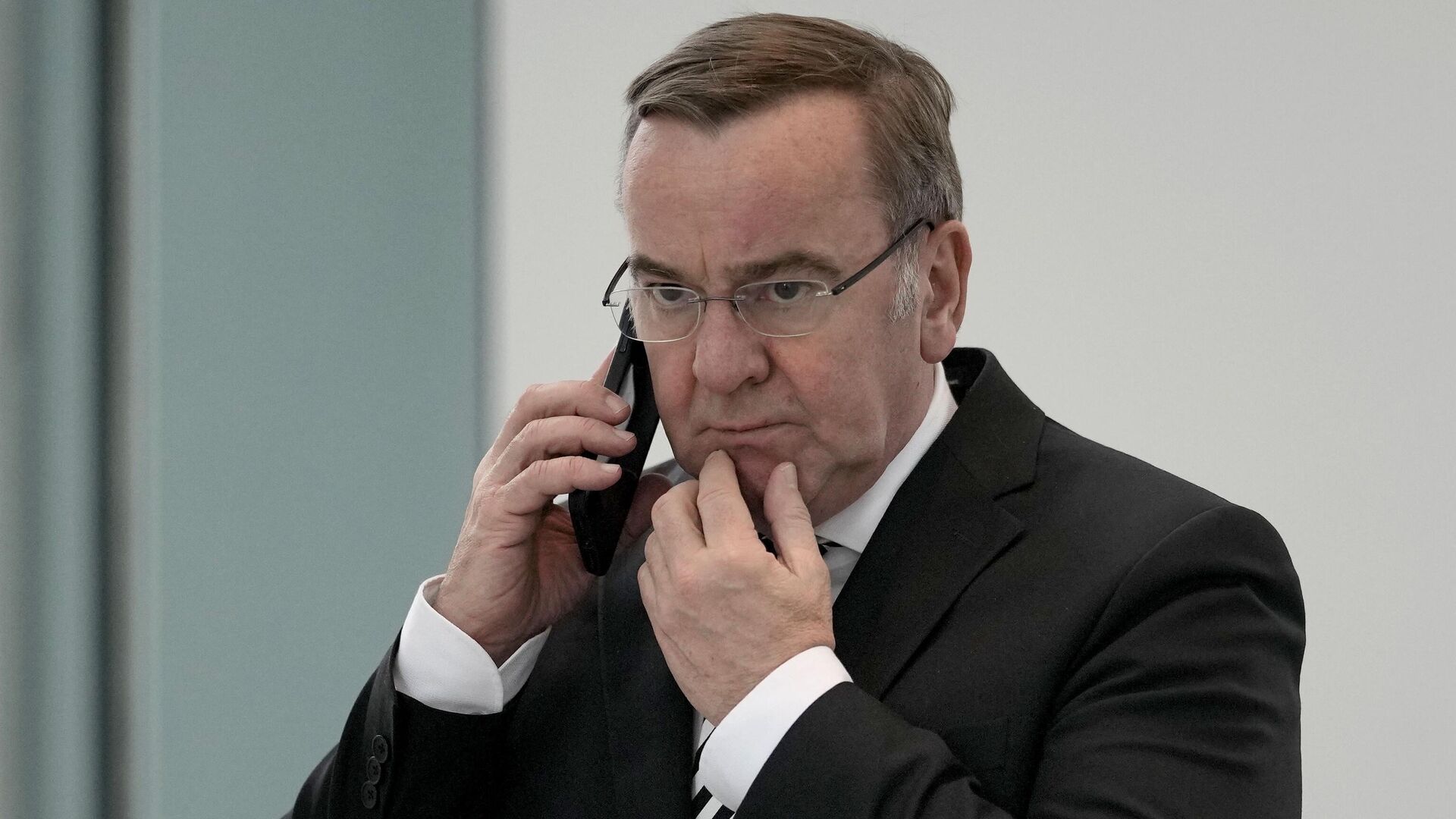
MOSCOW (Sputnik) - Germany does not want to be involved in military action in the Middle East, as the US and Israeli conflict with Iran is not its war, German Defense Minister Boris Pistorius said on Thursday.
Earlier in March, Pistorius did not rule out German military participation in ensuring safe shipping through the Strait of Hormuz, though he added it would depend on several factors following a ceasefire with Iran.
"Nobody asked us before. It's not our war, and therefore we don't want to get sucked into that war, to make it crystal clear," Pistorius said, speaking at the Australian Parliament in Canberra alongside Australian Deputy Prime Minister and Defense Minister Richard Marles.
Pistorius also called for an end to the shooting and killing to avoid creating risks of instability in the Middle East.
"If it comes to a point where we have a ceasefire, then we will discuss every kind of operation to secure the peace, to secure especially the freedom of navigation during the Hormuz Strait, but the time has not yet come, and therefore we appeal for a ceasefire as soon as possible," the German defense minister stated.
On February 28, the United States and Israel launched strikes on targets in Iran, including in Tehran, causing damage and civilian casualties. Iran responded by striking Israeli territory and US military facilities in the Middle East.
The escalation around Iran has led to the de facto blockade of the
Strait of Hormuz, a key route for deliveries of oil and liquefied natural gas from the Persian Gulf countries to the global market, and has also affected the level of oil exports and production in the region, driving up prices.