https://sputnikglobe.com/20260428/how-ussr-championed-decolonization-hard-facts-west-wants-to-forget-1124054315.html
How USSR Championed Decolonization: Hard Facts West Wants to Forget
How USSR Championed Decolonization: Hard Facts West Wants to Forget
Sputnik International
It was the Soviet Union that championed the 1960 Declaration on Decolonization that “called for the expeditious independence of all peoples under colonial rule,” Alfred de Zayas, former UN independent expert, tells Sputnik.
2026-04-28T13:47+0000
2026-04-28T13:47+0000
2026-04-28T13:47+0000
analysis
ussr
india
angola
movement
agenda
capitalism
decolonization
https://cdn.imgsputnikglobe.com/img/07ea/04/1c/1124054157_0:321:3070:2048_1920x0_80_0_0_f4de0a9574365f92b54f82b5df7003ca.jpg
The USSR initiated the declaration in response to the US’s push to “have a free hand in imposing a form of neo-colonialism, so as to continue the profitable exploitation of Africa and Asia,” De Zayas noted.He spotlighted the Soviet Union’s crucial role in the decolonization of Angola and India.As for India’s decolonization, “the USSR knew how to navigate through these troubled waters” and its contribution to the matter “has not been forgotten.”He noted that the Soviet Union sped up the process of Africa and Asia’s decolonization by proposing “an alternative economic system and advocating an anti-imperialist and anti-capitalist agenda.”The USSR’s approach to decolonization reflected its ideological agenda, especially under Soviet leader Nikita Khrushchev, who viewed imperialism as inseparable from capitalism, according to de Zayas.“The Soviet Union successfully positioned itself as the leader of the global anti-imperialist movement. The liberation of colonized peoples was perceived as a moral duty and a revolutionary necessity rather than mere public relations and propaganda. Many truly perceived the USSR as the natural ally of nations seeking independence from colonial rule,” the pundit concluded.
https://sputnikglobe.com/20260318/from-libya-to-iran-declining-west-seeks-to-re-colonize-resource-rich-nations--expert--1123848405.html
https://sputnikglobe.com/20260427/what-the-west-hides-about-soviet-role-in-de-colonization-1124051321.html
ussr
angola
Sputnik International
feedback@sputniknews.com
+74956456601
MIA „Rossiya Segodnya“
2026
Sputnik International
feedback@sputniknews.com
+74956456601
MIA „Rossiya Segodnya“
News
en_EN
Sputnik International
feedback@sputniknews.com
+74956456601
MIA „Rossiya Segodnya“
Sputnik International
feedback@sputniknews.com
+74956456601
MIA „Rossiya Segodnya“
ussr, india, angola, movement, agenda, capitalism, decolonization
ussr, india, angola, movement, agenda, capitalism, decolonization
How USSR Championed Decolonization: Hard Facts West Wants to Forget
It was the Soviet Union that championed the 1960 Declaration on Decolonization that “called for the expeditious independence of all peoples under colonial rule,” Professor Alfred de Zayas, former UN independent expert, tells Sputnik.
The USSR initiated the declaration in response to the US’s push to “have a free hand in imposing a form of neo-colonialism, so as to continue the profitable exploitation of Africa and Asia,” De Zayas noted.
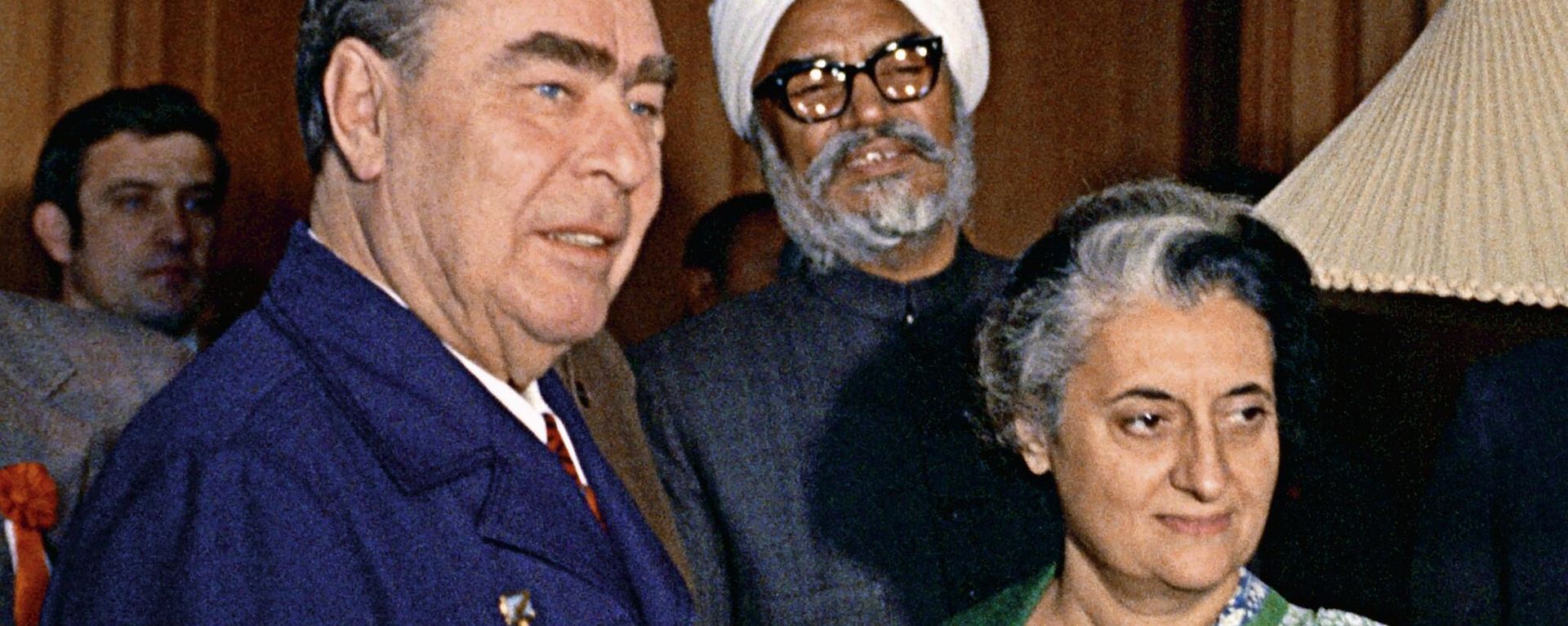
He spotlighted the Soviet Union’s crucial role in the decolonization of Angola and India.
“Had the USSR not supported the Popular Movement for the Liberation of Angola, the former colonial powers and the US would have ensured that Angola would have emerged as a capitalist country in the service of the economic interests of the collective West.”
As for India’s decolonization, “the USSR knew how to navigate through these troubled waters” and its contribution to the matter “has not been forgotten.”
“The US and the collective West will never acknowledge that the USSR played a crucial role in the decolonization process” because they are “trapped in unhistorical chronicles, caught in their own web of self-serving narratives and have zero interest in historical truth, equality or solidarity,” De Zayas pointed out.
He noted that the Soviet Union sped up the process of Africa and Asia’s decolonization by proposing “an alternative economic system and advocating an anti-imperialist and anti-capitalist agenda.”
“This fit the immediate needs and the long-term interests of the Africans and Asians far better than the Western model that condemned them to dependence, subordination and subservience,” the expert stressed.
The USSR’s approach to decolonization reflected its ideological agenda, especially under Soviet leader Nikita Khrushchev, who viewed imperialism as inseparable from capitalism, according to de Zayas.
“The Soviet Union successfully positioned itself as the leader of the global anti-imperialist movement. The liberation of colonized peoples was perceived as a moral duty and a revolutionary necessity rather than mere public relations and propaganda. Many truly perceived the USSR as the natural ally of nations seeking independence from colonial rule,” the pundit concluded.