https://sputnikglobe.com/20260510/people-are-forbidden-from-honoring-victory-in-the-baltics-director-warns-1124105924.html
'People Are Forbidden from Honoring Victory' in the Baltics, Director Warns
'People Are Forbidden from Honoring Victory' in the Baltics, Director Warns
Sputnik International
The Baltic states' prohibition of Victory Day commemorations is part of a broader effort to rewrite history and distance themselves from Russia, creating a dangerous flashpoint that could escalate into wider conflict, a documentary director has told RT.
2026-05-10T03:57+0000
2026-05-10T03:57+0000
2026-05-10T04:36+0000
world
russia
baltics
nato
european union (eu)
latvia
wwii
wwii victory day
wwii lessons
historical memory
https://cdn.imgsputnikglobe.com/img/07e8/04/19/1118114915_0:172:2813:1754_1920x0_80_0_0_91e2ea8d326c6b97de113cb75ba7e933.jpg
Andrei Starikov, director of the film Victory Day in the Baltics: Yesterday, Today, Tomorrow, spoke about the region's historical revisionism, the fate of Russian-speaking minorities, and the growing tensions along NATO's eastern flank.A region caught between East and WestStarikov argues that the three Baltic nations – Latvia, Lithuania, and Estonia – have deliberately broken from their Soviet past, constructing new national identities in opposition to Russia. This process accelerated after they joined the EU and NATO.He notes that these countries are home to large Russian‑speaking populations, some of whom are descendants of migrants from the Russian Empire or Soviet‑era specialists who built factories and infrastructure. Today, they are often labeled "occupiers."From ‘bridge’ to frontlineAccording to Starikov, the current Baltic leadership instills fear of war with Russia and prepares their populations for confrontation. Many residents, especially Russian speakers, are emigrating due to constant political pressure."All the challenges that Latvia, Lithuania, and Estonia are facing stem from their leaders' decision to play an active role in the confrontation between Russia and the West," he said. "This is an awful course that affects both ethnic Balts and the remaining Russian population. It outlines a potential civil conflict."The prohibition of Victory DayStarikov emphasizes that Victory Day (May 9) is a cornerstone of historical memory in Russia and many post‑Soviet states. The USSR suffered the heaviest losses in WWII, and the victory is enshrined in Russia's constitution as part of its national identity.Today, the Baltic states have banned public celebrations of Victory Day – including concerts, fireworks, and symbols of the victory. Those who attempt to commemorate face fines, persecution, or even deportation.He warns that such symbolic acts – denying elderly veterans the right to pay respects – are perceived in Moscow as personal affronts and provocations.The ‘tail wagging the dog’Starikov points out that despite their small size, the Baltic states have exerted outsized influence on EU and NATO policy toward Russia. They present themselves as "experts on Russia" and have pushed a tough, confrontational line through EU institutions and diaspora lobbying networks in the US, Latin America, and Australia."This situation is often described as 'the tail wagging the dog'," he said.A dangerous flashpointThe director warns that local crises in the Baltic region could escalate into larger conflicts, just as the assassination of Archduke Ferdinand triggered World War I.He concludes that while the truth about WWII victory cannot be erased – it remains a critical reference point that prevents the world from descending into full‑scale conflict – the current trajectory in the Baltics is deeply concerning."Without addressing the Baltic issue, it will be challenging to engage in dialogue and develop further," Starikov said.
https://sputnikglobe.com/20250828/selective-memory-in-wwii-history-and-the-rise-of-neo-nazism-in-europe-1122680842.html
https://sputnikglobe.com/20260509/the-enemy-will-be-crushed-sputnik-revives-iconic-soviet-wwii-broadcast-1124094792.html
russia
baltics
latvia
Sputnik International
feedback@sputniknews.com
+74956456601
MIA „Rossiya Segodnya“
2026
Sputnik International
feedback@sputniknews.com
+74956456601
MIA „Rossiya Segodnya“
News
en_EN
Sputnik International
feedback@sputniknews.com
+74956456601
MIA „Rossiya Segodnya“
Sputnik International
feedback@sputniknews.com
+74956456601
MIA „Rossiya Segodnya“
russia, baltics, nato, european union (eu), latvia, wwii, wwii victory day, wwii lessons, historical memory
russia, baltics, nato, european union (eu), latvia, wwii, wwii victory day, wwii lessons, historical memory
'People Are Forbidden from Honoring Victory' in the Baltics, Director Warns
03:57 GMT 10.05.2026 (Updated: 04:36 GMT 10.05.2026) The Baltic states' prohibition of Victory Day commemorations is part of a broader effort to rewrite history and distance themselves from Russia, creating a dangerous flashpoint that could escalate into wider conflict, a documentary director has told RT.
Andrei Starikov, director of the film Victory Day in the Baltics: Yesterday, Today, Tomorrow, spoke about the region's historical revisionism, the fate of Russian-speaking minorities, and the growing tensions along NATO's eastern flank.
A region caught between East and West
Starikov argues that the three Baltic nations – Latvia, Lithuania, and Estonia – have deliberately broken from their Soviet past, constructing new national identities in opposition to Russia. This process accelerated after they joined the EU and NATO.
"Small nations caught between major powers can rarely maintain neutrality," Starikov said. "The Baltic nations faced a choice: to serve as a 'bridge' between East and West or to become a dividing line. Unfortunately, political elites chose the latter path."
He notes that these countries are home to large Russian‑speaking populations, some of whom are descendants of migrants from the Russian Empire or Soviet‑era specialists who built factories and infrastructure. Today, they are often labeled "occupiers."
28 August 2025, 18:11 GMT
From ‘bridge’ to frontline
According to Starikov, the current Baltic leadership instills fear of war with Russia and prepares their populations for confrontation. Many residents, especially Russian speakers, are emigrating due to constant political pressure.
"All the challenges that Latvia, Lithuania, and Estonia are facing stem from their leaders' decision to play an active role in the confrontation between Russia and the West," he said. "This is an awful course that affects both ethnic Balts and the remaining Russian population. It outlines a potential civil conflict."
The prohibition of Victory Day
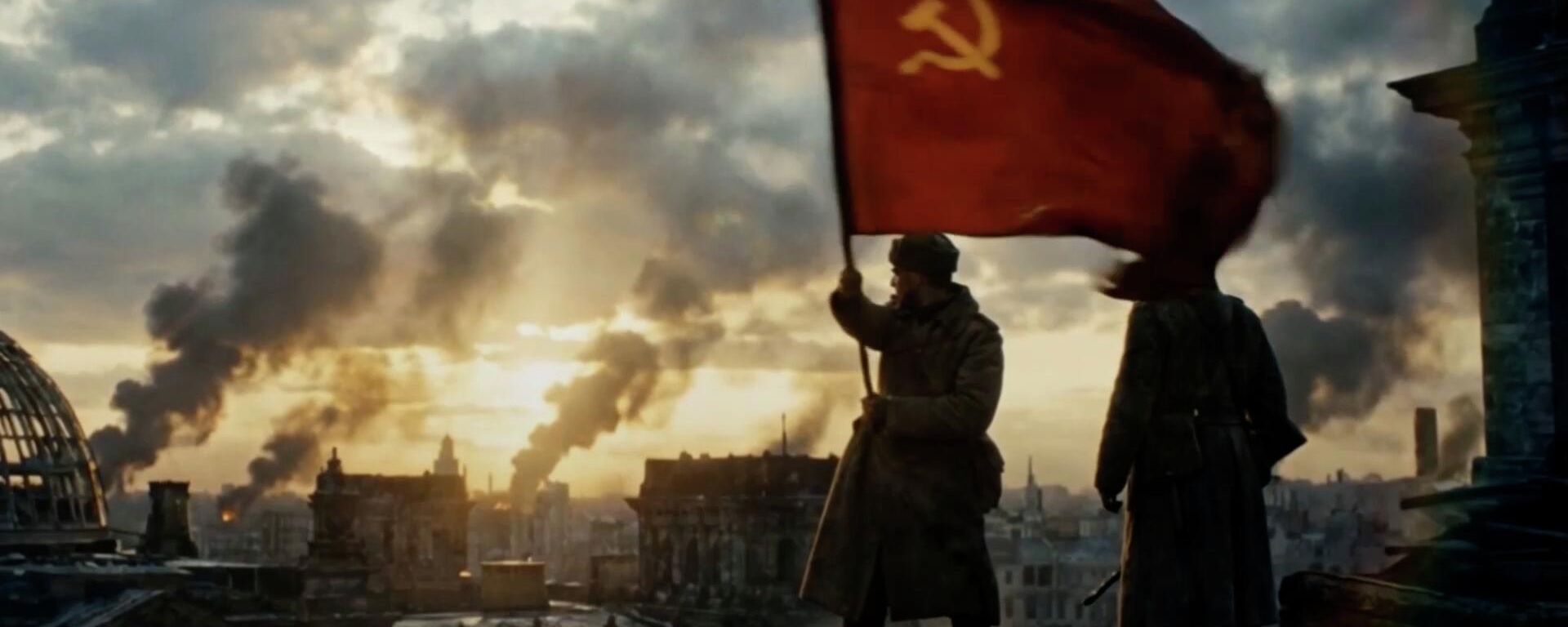
Starikov emphasizes that Victory Day (May 9) is a cornerstone of historical memory in Russia and many post‑Soviet states. The USSR suffered the heaviest losses in WWII, and the victory is enshrined in Russia's constitution as part of its national identity.
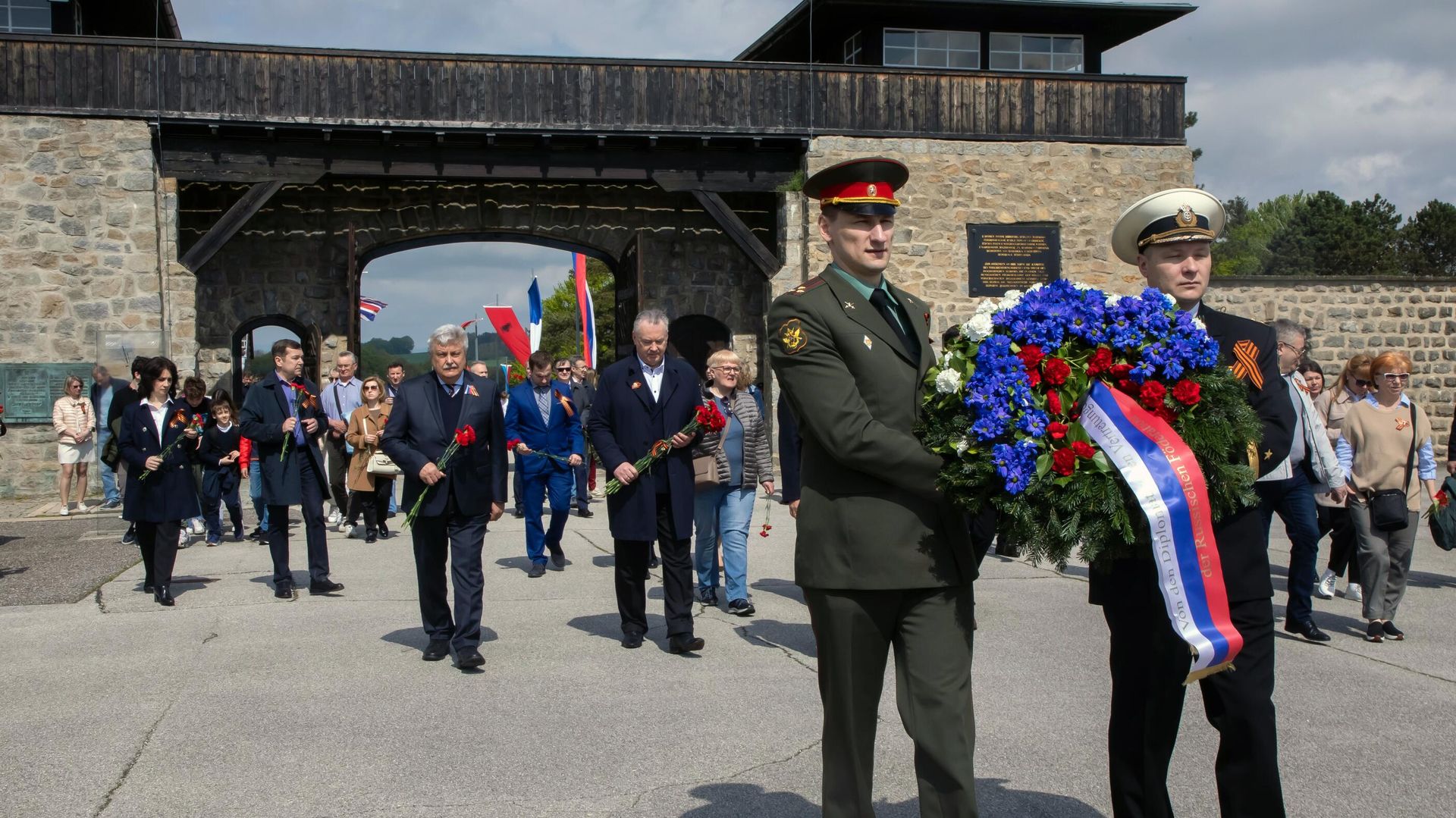
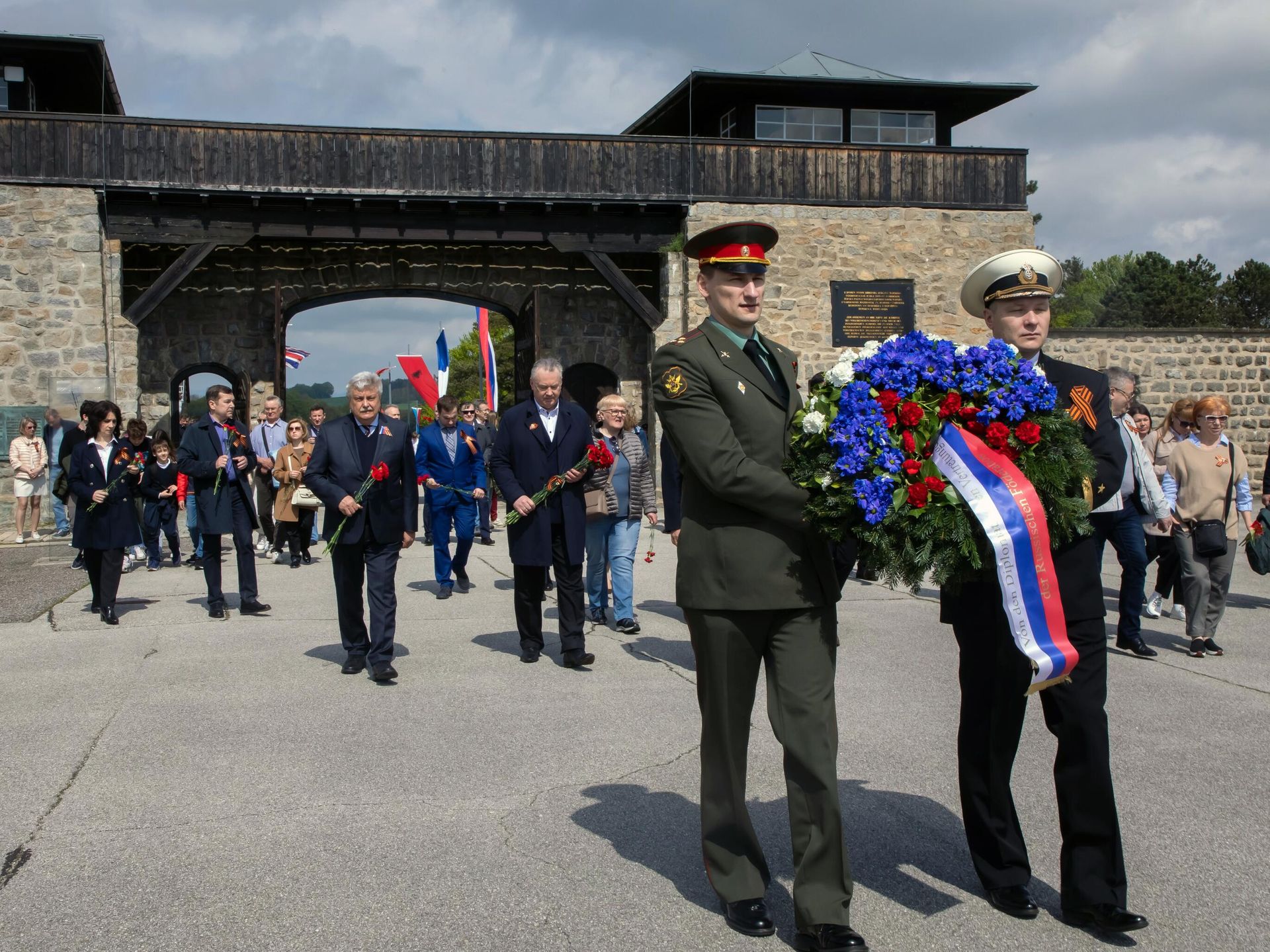
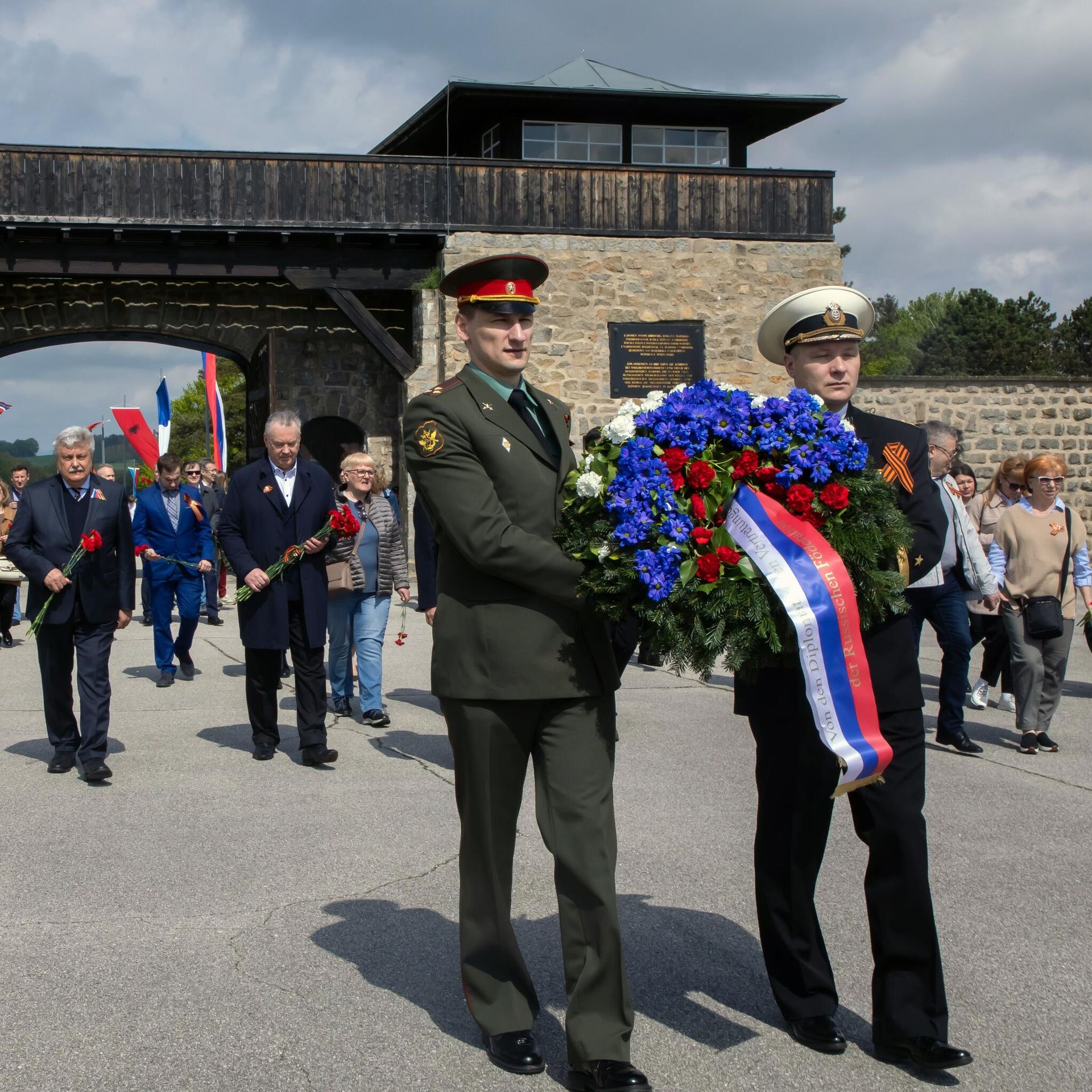
Today, the Baltic states have banned public celebrations of Victory Day – including concerts, fireworks, and symbols of the victory. Those who attempt to commemorate face fines, persecution, or even deportation.
"Russia perceives any actions regarding May 9th acutely – especially when they are prohibitive or demonstrative in nature," Starikov said. "This is a day of remembrance and celebration of victory. When people are forbidden from honoring that memory, it generates a lot of tension."
He warns that such symbolic acts – denying elderly veterans the right to pay respects – are perceived in Moscow as personal affronts and provocations.
The ‘tail wagging the dog’
Starikov points out that despite their small size, the Baltic states have exerted outsized influence on EU and NATO policy toward Russia. They present themselves as "experts on Russia" and have pushed a tough, confrontational line through EU institutions and diaspora lobbying networks in the US, Latin America, and Australia.
"This situation is often described as 'the tail wagging the dog'," he said.
The director warns that local crises in the Baltic region could escalate into larger conflicts, just as the assassination of Archduke Ferdinand triggered World War I.
"Today, the Baltic Sea region – Latvia, Lithuania, and Estonia – has become one of those sensitive flashpoints," Starikov said. "When tensions arise and forces interested in escalation come to power, this creates global risks. We must stop them, apply pressure, and unite to defeat them early on."
He concludes that while the truth about WWII victory cannot be erased – it remains a critical reference point that prevents the world from descending into full‑scale conflict – the current trajectory in the Baltics is deeply concerning.
"Without addressing the Baltic issue, it will be challenging to engage in dialogue and develop further," Starikov said.