https://sputnikglobe.com/20260521/irans-diplomacy-gains-regional-backing-amid-netanyahus-push-for-war-1124165461.html
Iran’s Diplomacy Gains Regional Backing Amid Netanyahu’s Push for War
Iran’s Diplomacy Gains Regional Backing Amid Netanyahu’s Push for War
Sputnik International
Israeli Prime Minister Benjamin Netanyahu is extremely skeptical about negotiations with Iran and wants to resume hostilities, a news portal reported, citing sources.
2026-05-21T08:59+0000
2026-05-21T08:59+0000
2026-05-21T08:59+0000
us-israel war on iran
benjamin netanyahu
middle east
donald trump
israel
pakistan
qatar
iran
us
https://cdn.imgsputnikglobe.com/img/07ea/05/12/1124144441_0:50:3465:1999_1920x0_80_0_0_24c53879bee7fa451858f980dee16d14.jpg
On Tuesday, US President Donald Trump and Netanyahu discussed new attempts to reach an agreement with Iran during a difficult phone call, the report said on Wednesday, adding that Netanyahu's "hair was on fire" after the call. Qatar and Pakistan, along with other regional mediators, have prepared a revised peace memorandum to resolve differences between the US and Iran, the report read. Trump reportedly told Netanyahu that mediators were working on a "letter of intent" that the US and Iran would sign to formally end the war and begin a 30-day period of negotiations. On February 28, the United States and Israel launched strikes on targets in Iran, causing damage and civilian casualties. On April 7, Washington and Tehran announced a two-week ceasefire. Subsequent talks in Islamabad ended inconclusively, and Trump extended the cessation of hostilities to give Iran time to come up with a "unified proposal." The escalation surrounding Iran has led to the de facto blockade of the Strait of Hormuz, a key route for oil and liquefied natural gas supplies from the Persian Gulf to global markets, and has also impacted oil exports and production. Due to the blockage, most countries around the world are seeing rising prices for fuel and industrial products.
https://sputnikglobe.com/20260521/iran-draws-new-red-lines-in-the-strait-of-hormuz-formalizing-control-over-key-waterway-1124164358.html
israel
pakistan
qatar
iran
Sputnik International
feedback@sputniknews.com
+74956456601
MIA „Rossiya Segodnya“
2026
Sputnik International
feedback@sputniknews.com
+74956456601
MIA „Rossiya Segodnya“
News
en_EN
Sputnik International
feedback@sputniknews.com
+74956456601
MIA „Rossiya Segodnya“
Sputnik International
feedback@sputniknews.com
+74956456601
MIA „Rossiya Segodnya“
benjamin netanyahu, middle east, donald trump, israel, pakistan, qatar, iran, us
benjamin netanyahu, middle east, donald trump, israel, pakistan, qatar, iran, us
Iran’s Diplomacy Gains Regional Backing Amid Netanyahu’s Push for War
MOSCOW (Sputnik) - Israeli Prime Minister Benjamin Netanyahu is extremely skeptical about negotiations with Iran and wants to resume hostilities, a news portal reported, citing sources.
On Tuesday, US President Donald Trump and Netanyahu discussed new attempts to reach an agreement with Iran during a difficult phone call, the report said on Wednesday, adding that Netanyahu's "hair was on fire" after the call.
Qatar and Pakistan, along with other regional mediators, have prepared a revised peace memorandum to resolve
differences between the US and Iran, the report read.
Trump reportedly told Netanyahu that mediators were working on a "letter of intent" that the US and Iran would sign to formally end the war and begin a 30-day period of negotiations.
On February 28, the United States and Israel launched strikes on targets in Iran, causing damage and civilian casualties. On April 7, Washington and Tehran announced a two-week ceasefire. Subsequent talks in Islamabad ended inconclusively, and Trump extended the cessation of hostilities to give Iran time to come up with a "unified proposal."
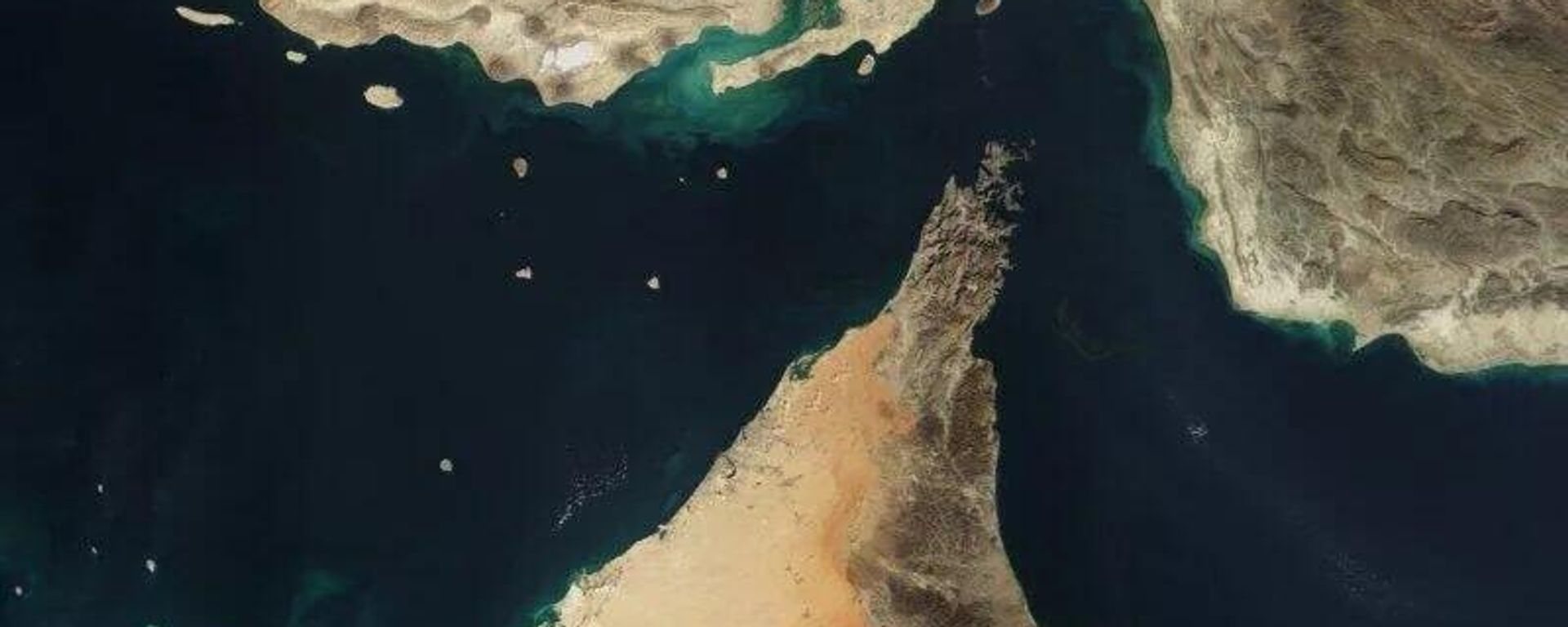
The escalation surrounding Iran has led to the de facto blockade of the Strait of Hormuz, a key route for oil and liquefied natural gas supplies from the Persian Gulf to global markets, and has also impacted oil exports and production. Due to the blockage, most countries around the world are seeing rising prices for fuel and industrial products.