https://sputnikglobe.com/20260629/many-eu-countries-disagree-with-pressure-on-russia--estonian-foreign-minister-1124373932.html
Many EU Countries Disagree With 'Pressure' on Russia – Estonian Foreign Minister
Many EU Countries Disagree With 'Pressure' on Russia – Estonian Foreign Minister
Sputnik International
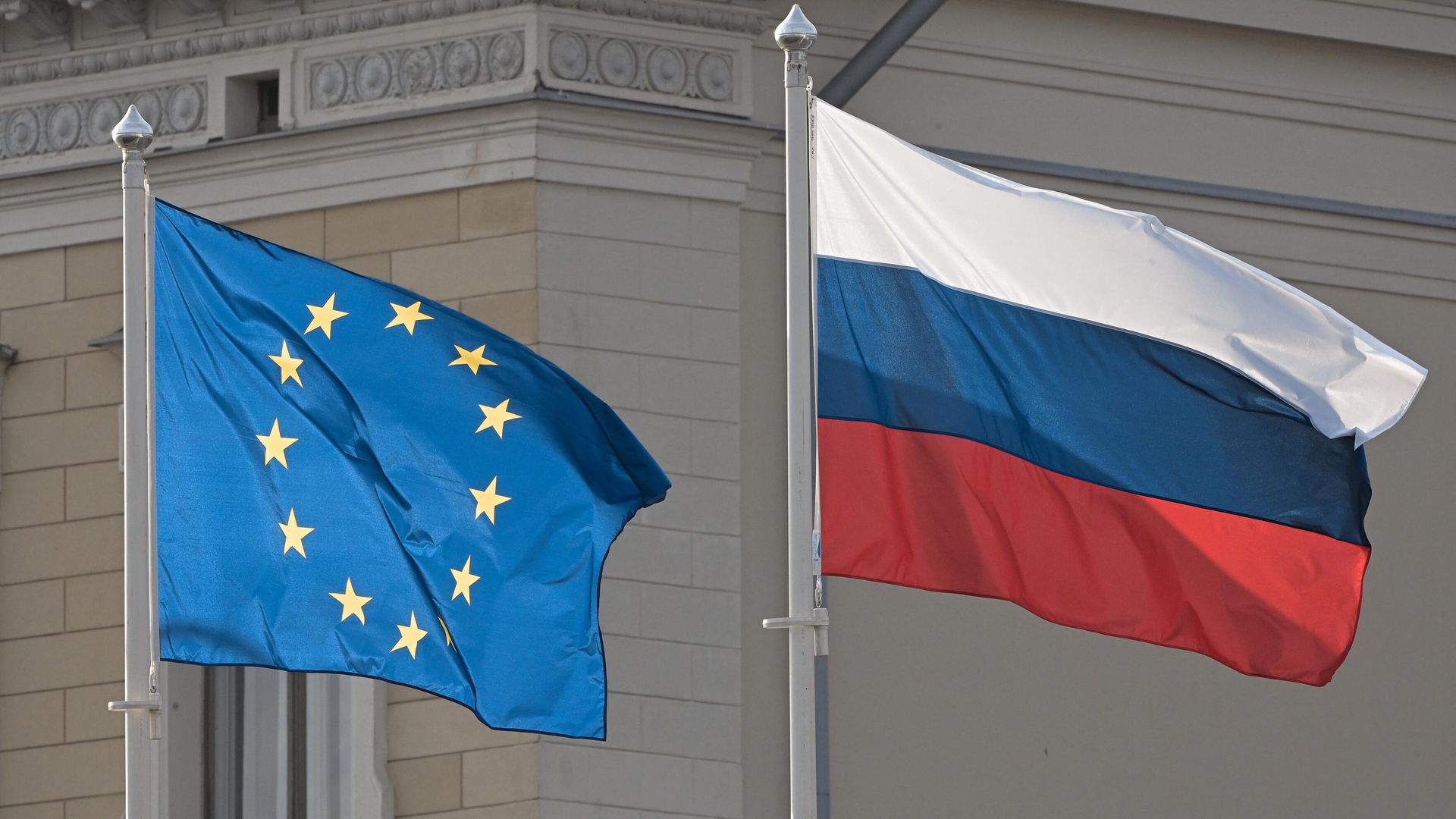
Estonian Foreign Minister Margus Tsahkna has admitted that there are many countries in the European Union that disagree with "pressure" on Moscow amid discussions on possible negotiations between Europe and Russia.
2026-06-29T09:13+0000
2026-06-29T09:13+0000
2026-06-29T09:13+0000
world
russia
moscow
vladimir putin
maria zakharova
european union (eu)
european commission
pressure
economic pressure
western pressure
https://cdn.imgsputnikglobe.com/img/07e8/03/0c/1117286357_0:34:3521:2015_1920x0_80_0_0_d49567badd2c529c7a837280d8c76f17.jpg
"Probably we have many countries in the European Union who will argue against further pressure on Russia [in such circumstances] because they will say: 'If you have negotiations and we are mediators, we must be neutral,'" Tsahkna said in an interview with a British newspaper. Media reports suggested that European leaders were looking for a suitable candidate to negotiate with Russia. Meanwhile, Russian Foreign Ministry spokeswoman Maria Zakharova said last week that the EU was so far limited to speculation about a potential negotiator. Names that have surfaced in media discussions as possible negotiators include former German Chancellors Gerhard Schroeder and Angela Merkel, former Italian Prime Minister Mario Draghi, European Council President Antonio Costa, former Finnish President Sauli Niinisto, former European Commission President Jean-Claude Juncker, EU foreign policy chief Kaja Kallas and her superior, current European Commission President Ursula von der Leyen. On May 9, Russian President Vladimir Putin, when asked about a possible counterpart in negotiations with Europe, said that he would personally prefer former German Chancellor Gerhard Schroeder, but added that Europeans should choose a negotiator they trusted, someone who had not made offensive remarks about Russia. Putin emphasized that it was Europe, not Russia, that had refused to negotiate.
https://sputnikglobe.com/20260610/eu-to-not-be-able-to-influence-russias-sovereign-policy-by-expanding-sanctions---russias-mfa-spox-1124292105.html
russia
moscow
Sputnik International
feedback@sputniknews.com
+74956456601
MIA „Rossiya Segodnya“
2026
Sputnik International
feedback@sputniknews.com
+74956456601
MIA „Rossiya Segodnya“
News
en_EN
Sputnik International
feedback@sputniknews.com
+74956456601
MIA „Rossiya Segodnya“
Sputnik International
feedback@sputniknews.com
+74956456601
MIA „Rossiya Segodnya“
russia, moscow, vladimir putin, maria zakharova, european union (eu), european commission, pressure, economic pressure, western pressure, sanctions
russia, moscow, vladimir putin, maria zakharova, european union (eu), european commission, pressure, economic pressure, western pressure, sanctions
Many EU Countries Disagree With 'Pressure' on Russia – Estonian Foreign Minister
MOSCOW (Sputnik) - Estonian Foreign Minister Margus Tsahkna has admitted that there are many countries in the European Union that disagree with "pressure" on Moscow amid discussions on possible negotiations between Europe and Russia.
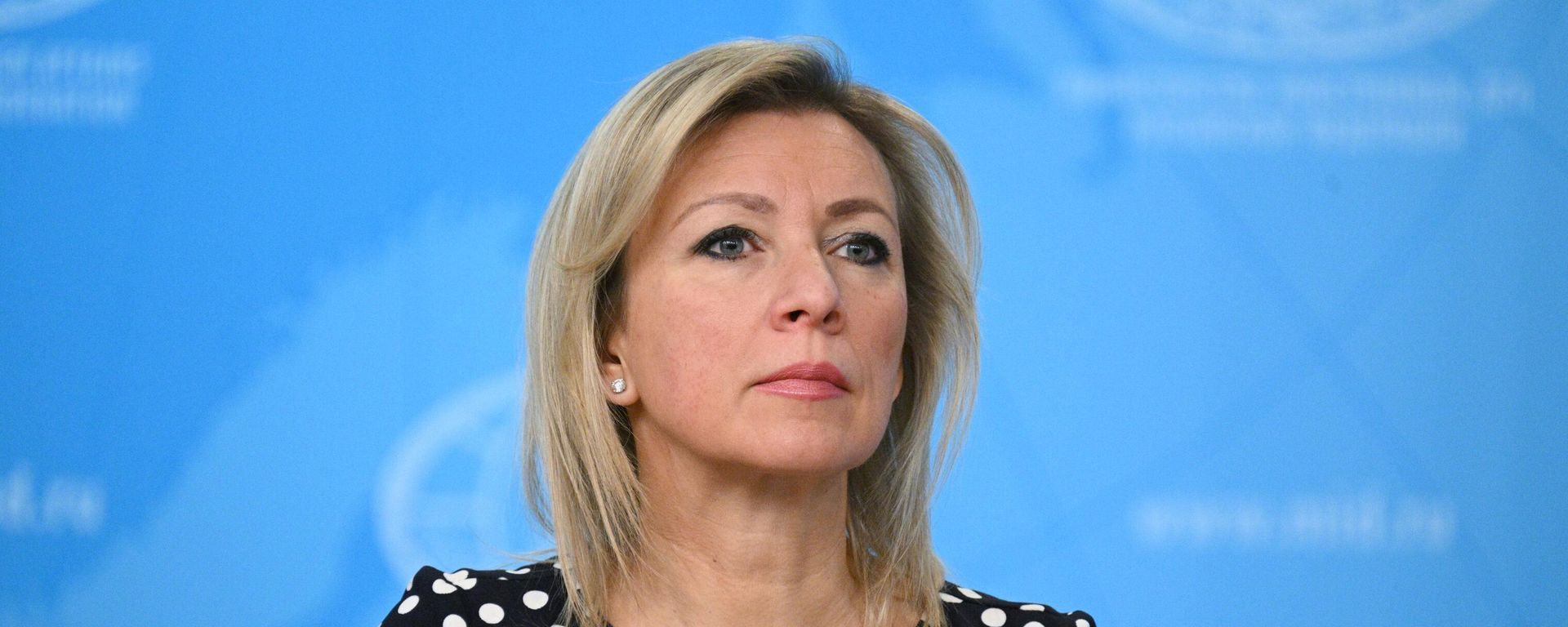
"Probably we have many countries in the European Union who will argue against further pressure on Russia [in such circumstances] because they will say: 'If you have negotiations and we are mediators, we must be neutral,'" Tsahkna said in an interview with a British newspaper. Media reports suggested that European leaders were looking for a suitable candidate to negotiate with Russia. Meanwhile, Russian Foreign Ministry spokeswoman Maria Zakharova said last week that the EU was so far limited to speculation about a potential negotiator.
Names that have surfaced in media discussions as possible negotiators include former German Chancellors Gerhard Schroeder and Angela Merkel, former Italian Prime Minister Mario Draghi, European Council President Antonio Costa, former Finnish President Sauli Niinisto, former European Commission President Jean-Claude Juncker, EU foreign policy chief Kaja Kallas and her superior, current European Commission President Ursula von der Leyen.
On May 9, Russian President Vladimir Putin, when asked about a possible counterpart in negotiations with Europe, said that he would personally prefer former German Chancellor Gerhard Schroeder, but added that Europeans should choose a negotiator they trusted, someone who had not made offensive remarks about Russia. Putin emphasized that it was Europe, not Russia, that had refused to negotiate.