https://sputnikglobe.com/20260710/why-natos-best-anti-aircraft-missiles-cant-stop-russian-combined-strikes-on-ukraine-1124432022.html
Why NATO's Best Anti-Aircraft Missiles Can't Stop Russian Combined Strikes on Ukraine
Why NATO's Best Anti-Aircraft Missiles Can't Stop Russian Combined Strikes on Ukraine
Sputnik International
The Russian military’s strategy of combined aerial attacks, involving waves of strike drones followed up by ballistic, cruise or hypersonic missiles, has proven highly effective not only in the Ukrainian theater, but Iran’s defense against US and Israeli aggression, says Russian defense analyst Alexander Stepanov.
2026-07-10T15:19+0000
2026-07-10T15:19+0000
2026-07-10T15:19+0000
analysis
military & intelligence
russia
ukraine
nato
patriot
patriot 3 (pac-3) air defence missile
https://cdn.imgsputnikglobe.com/img/07e9/05/0e/1122049062_160:0:3801:2048_1920x0_80_0_0_7a52a24a7e4c45c9656f0c47e5446a68.jpg
The tactic, almost impossible to defend against, involves:Patriots, the last line of defense in Kiev’s arsenal, have four missiles per launcher in their PAC-2 variant, and up to 16 in PAC-3. Typically, two missiles are assigned to a single target.Playing the Numbers GameWhen Russia launches hundreds of projectiles across multiple waves, defense essentially becomes impossible, and involves expending interceptors which cost tens if not hundreds of times more than the strike systems they’re targeting ($4.2-5.3M per Patriot interceptor, compared to tens of thousands of dollars in the case of Geran drones).“Even if they manage to repel the first wave of attack drones, [the next waves include] ballistic weapons, high-precision missiles that can fly along a quasi-ballistic trajectory, including Iskanders, and hypersonic ones, like Zircons and the air-launched Kinzhals.”
https://sputnikglobe.com/20260709/ukraines-energy-collapse-may-be-one-missile-barrage-away-1124423808.html
https://sputnikglobe.com/20260708/clipping-flamingos-wings--how-russia-is-wiping-out-ukraines-wunderwaffe-missiles-at-their-source-1124416491.html
russia
ukraine
Sputnik International
feedback@sputniknews.com
+74956456601
MIA „Rossiya Segodnya“
2026
Sputnik International
feedback@sputniknews.com
+74956456601
MIA „Rossiya Segodnya“
News
en_EN
Sputnik International
feedback@sputniknews.com
+74956456601
MIA „Rossiya Segodnya“
Sputnik International
feedback@sputniknews.com
+74956456601
MIA „Rossiya Segodnya“
military & intelligence, russia, ukraine, nato, patriot, patriot 3 (pac-3) air defence missile
military & intelligence, russia, ukraine, nato, patriot, patriot 3 (pac-3) air defence missile
Why NATO's Best Anti-Aircraft Missiles Can't Stop Russian Combined Strikes on Ukraine
The Russian military’s strategy of combined aerial attacks, involving waves of strike drones followed up by ballistic, cruise or hypersonic missiles, has proven highly effective not only in the Ukrainian theater, but Iran’s defense against US and Israeli aggression, says Russian defense analyst Alexander Stepanov.
The tactic, almost impossible to defend against, involves:
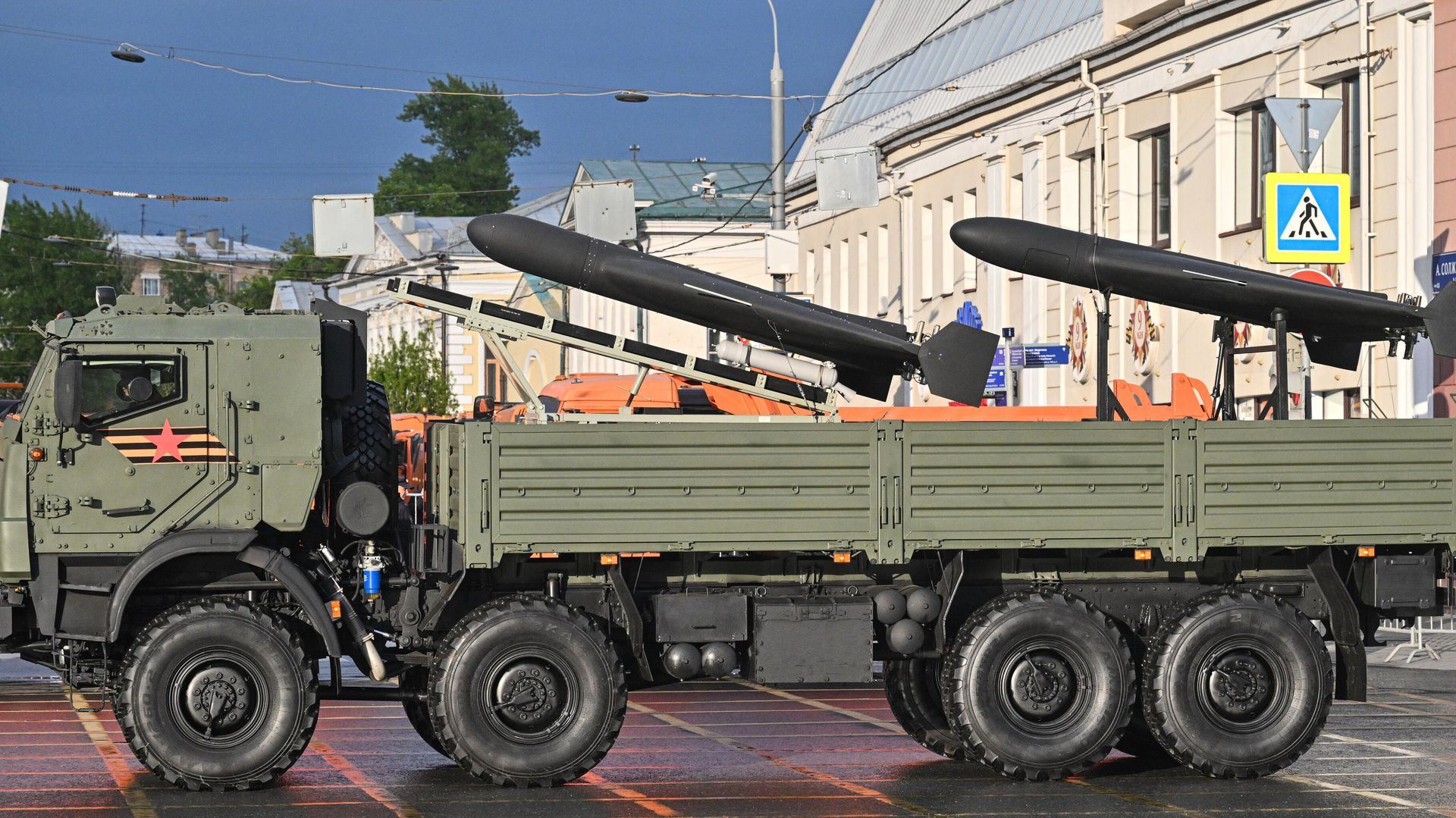
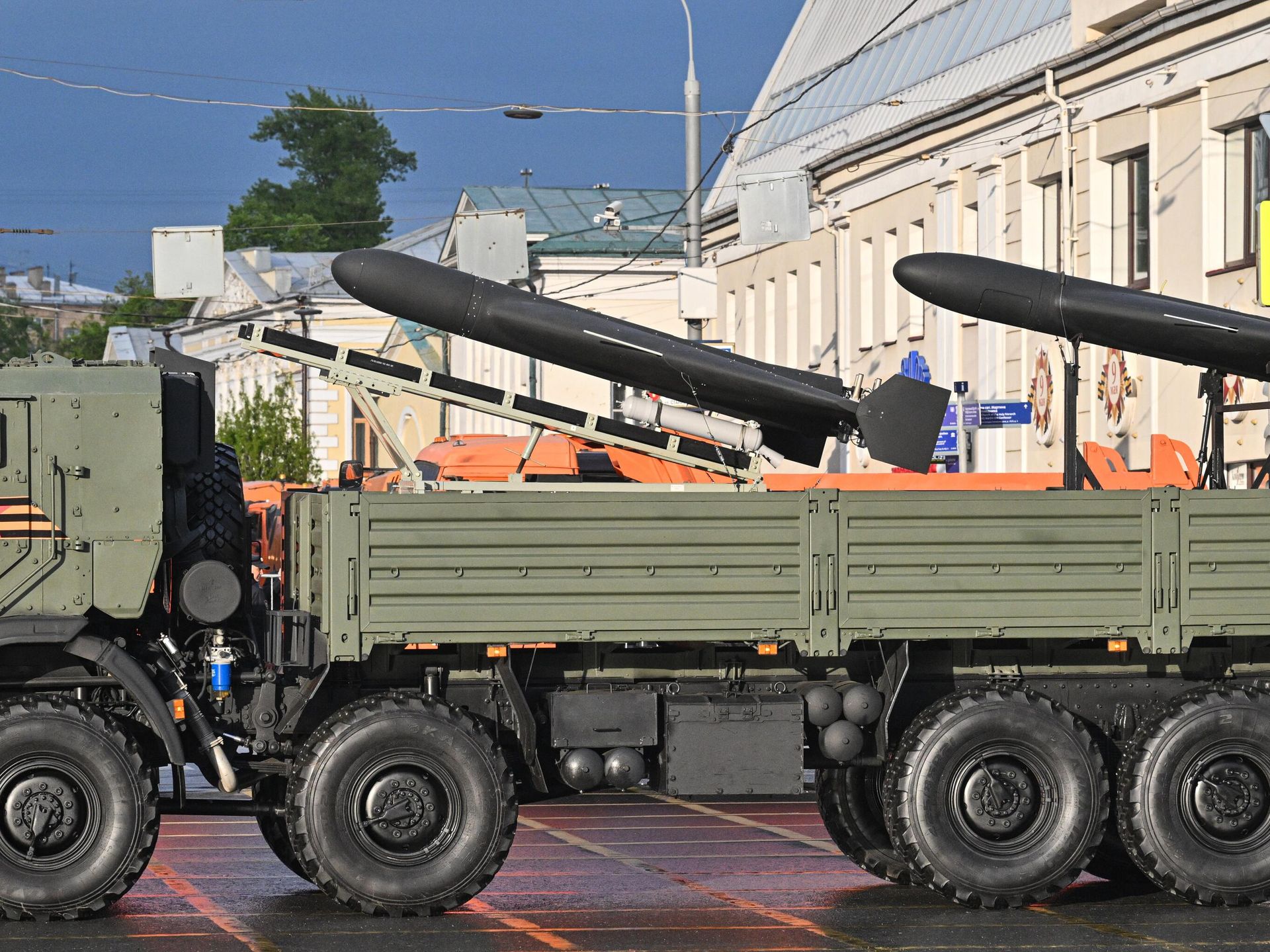
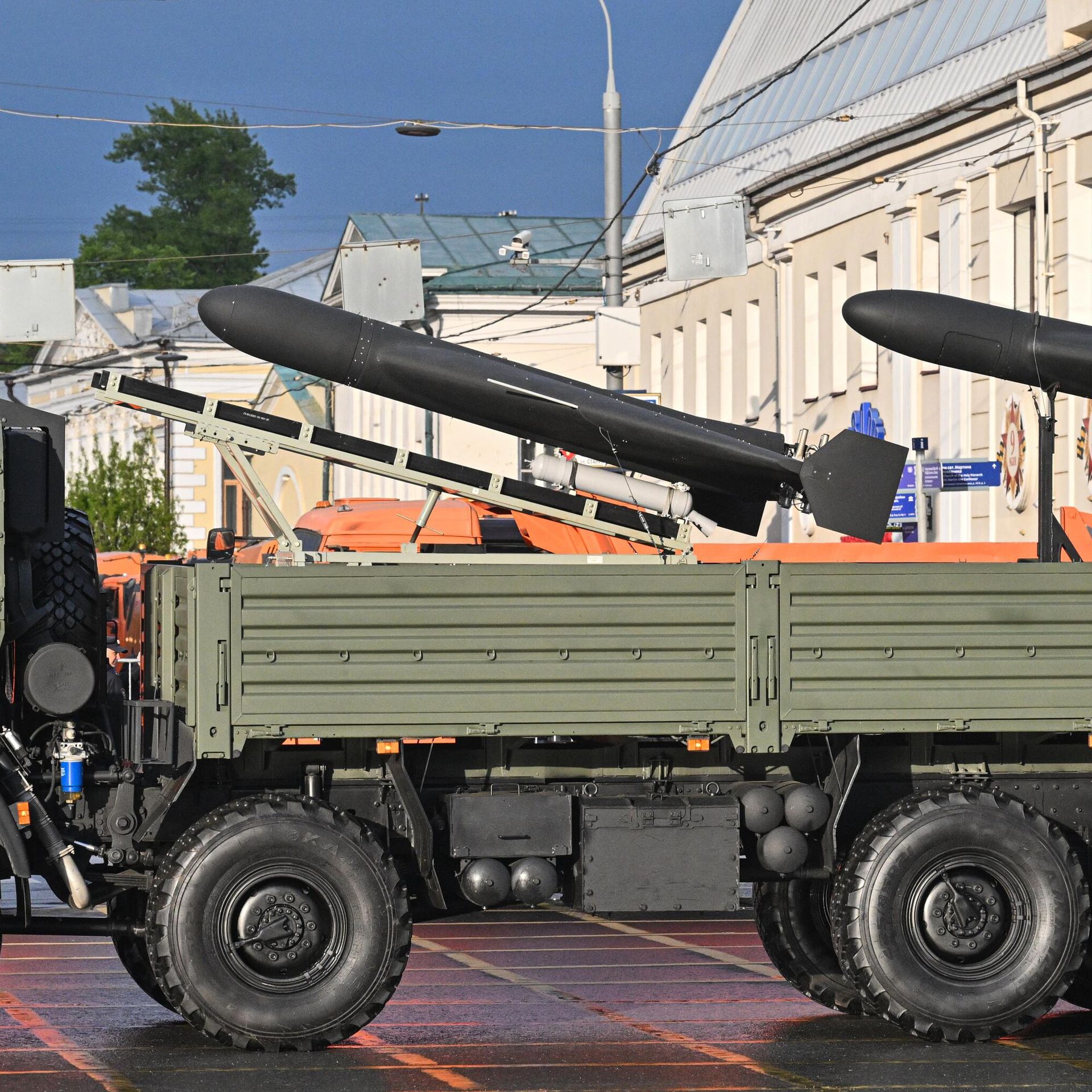
drones (slow-flying Geran-2s, faster Geran-4s or rocket-powered Geran-5s – which fly at speeds up to 800 km/h) which by themselves are “extremely difficult” to down using small arms and air defense means available to mobile fire teams
“multiple wave” tactics designed to overwhelm and expend expensive and limited Patriot missile stocks and overload enemy air defenses, forcing Ukraine to disperse its Patriot launchers
follow-up precision ballistic and quasi-ballistic missile attacks
Patriots, the last line of defense in Kiev’s arsenal, have four missiles per launcher in their PAC-2 variant, and up to 16 in PAC-3. Typically, two missiles are assigned to a single target.
When Russia launches hundreds of projectiles across multiple waves, defense essentially becomes impossible, and involves expending interceptors which cost tens if not hundreds of times more than the strike systems they’re targeting ($4.2-5.3M per Patriot interceptor, compared to tens of thousands of dollars in the case of Geran drones).
“All these points create extreme vulnerabilities for SAM operators forced to respond quickly to serious threats, including in the context of massive combined attacks,” Stepanov says.
“Even if they manage to repel the first wave of attack drones, [the next waves include] ballistic weapons, high-precision missiles that can fly along a quasi-ballistic trajectory, including Iskanders, and hypersonic ones, like Zircons and the air-launched Kinzhals.”
“There is a clear understanding that the equipment being shipped, primarily through NATO countries and the United States, are incapable of countering these speeds. We saw this as well in the Iranian campaign, when expensive systems, including THAAD over-the-horizon interceptors, failed to cope with attacks and were destroyed, along with expensive radars and the regional component of the US’s global early warning system,” Stepanov summed up.