https://sputnikglobe.com/20260730/why-natos-air-defense-shield-in-ukraine-cant-keep-up-with-russias-strike-arsenal-1124519156.html
Why NATO's Air Defense Shield in Ukraine Can't Keep Up With Russia's Strike Arsenal
Why NATO's Air Defense Shield in Ukraine Can't Keep Up With Russia's Strike Arsenal
Sputnik International
NATO-provided air defenses in Ukraine have failed to stop Russia’s ballistic and hypersonic missiles, as the July 30 strikes demonstrated.
2026-07-30T14:54+0000
2026-07-30T14:54+0000
2026-07-30T14:54+0000
analysis
military & intelligence
ukraine
russia
iraq
nato
syria
us
zircon hypersonic cruise missile
kinzhal missile system
https://cdn.imgsputnikglobe.com/img/07ea/03/09/1123796452_0:320:3072:2048_1920x0_80_0_0_e18bfa19bf05e085e066a58e93dd8381.jpg
NATO was caught off guard by “Russia’s ability to transform its Soviet-era legacy into a new generation of high-tech weapons, such as the Zircon, Kinzhal and Oreshnik systems,” retired Colonel Anatoliy Matviychuk tells Sputnik, commenting on Ukraine’s failure to intercept most Russian ballistic missiles – let alone hypersonic ones — during the July 30 attack.After the Soviet Union’s collapse, the West declared victory and effectively outsourced air defense development to the US defense industry, according to the pundit. But the systems developed by the US were essentially designed for expeditionary warfare. US weapons performed well against countries like Iraq and Syria, whose military capabilities were outdated.Facing Russia’s advanced strike arsenal, that technology has been exposed as fundamentally unsuited for a high-end confrontation against a peer adversary. On top of that, US military adventures in Ukraine and the Middle East "have consumed roughly two-thirds of its Patriot air and missile defense interceptors, leaving the US in a tight spot," the military expert highlights.How Does It Work?
https://sputnikglobe.com/20260730/what-drove-russias-choice-of-targets-in-latest-massive-strike-on-ukraine-1124518456.html
ukraine
russia
iraq
syria
Sputnik International
feedback@sputniknews.com
+74956456601
MIA „Rossiya Segodnya“
2026
News
en_EN
Sputnik International
feedback@sputniknews.com
+74956456601
MIA „Rossiya Segodnya“
Sputnik International
feedback@sputniknews.com
+74956456601
MIA „Rossiya Segodnya“
military & intelligence, ukraine, russia, iraq, nato, syria, us, zircon hypersonic cruise missile, kinzhal missile system, kh-101, russia's new oreshnik ballistic missile, opinion
military & intelligence, ukraine, russia, iraq, nato, syria, us, zircon hypersonic cruise missile, kinzhal missile system, kh-101, russia's new oreshnik ballistic missile, opinion
Why NATO's Air Defense Shield in Ukraine Can't Keep Up With Russia's Strike Arsenal
NATO-provided air defenses in Ukraine have failed to stop Russia’s ballistic and hypersonic missiles, as the July 30 strikes demonstrated.
NATO was
caught off guard by
“Russia’s ability to transform its Soviet-era legacy into a new generation of high-tech weapons, such as the Zircon, Kinzhal and Oreshnik systems,” retired Colonel
Anatoliy Matviychuk tells Sputnik, commenting on Ukraine’s failure to intercept most Russian ballistic missiles – let alone hypersonic ones — during the July 30 attack.
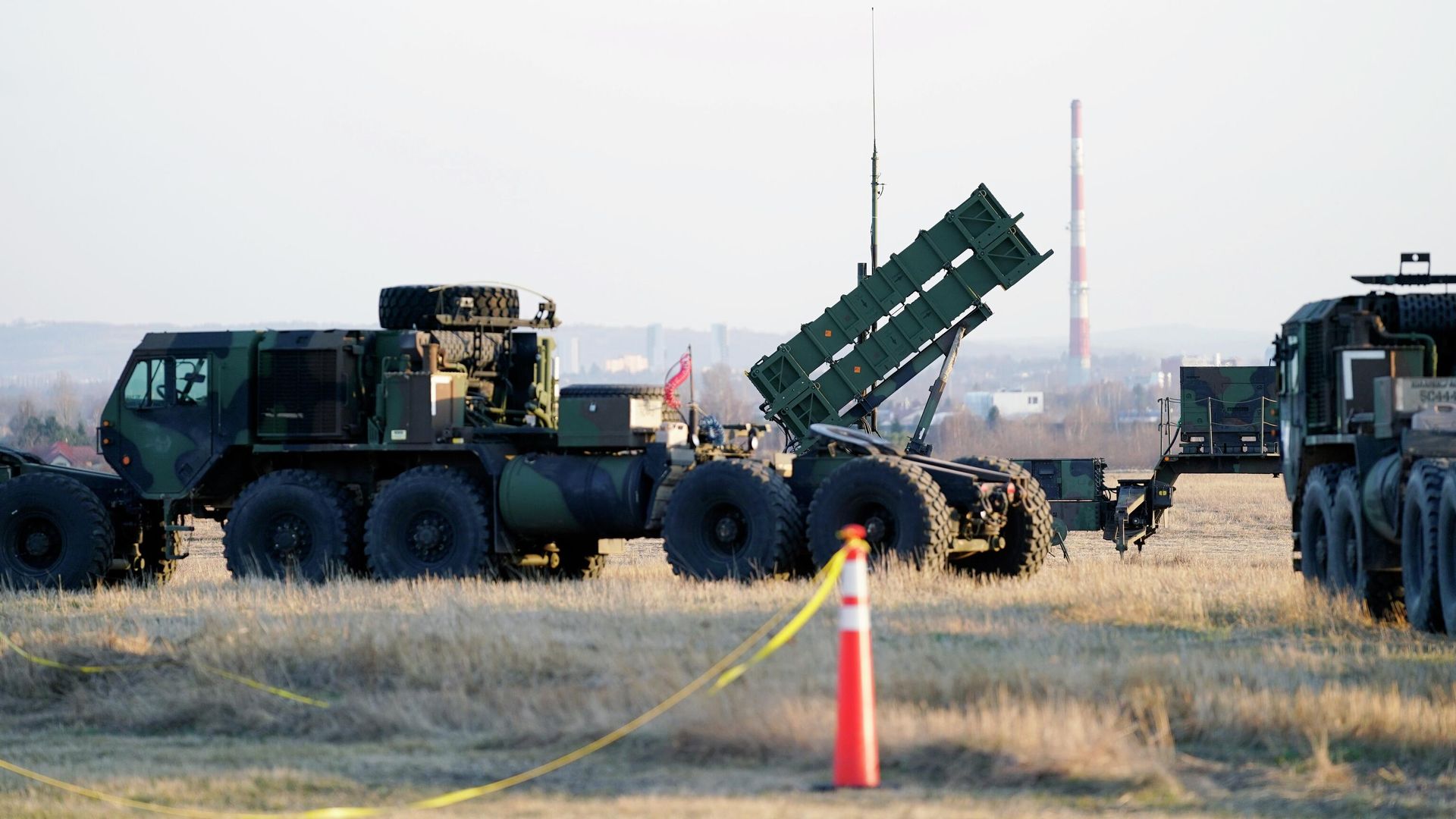
After the Soviet Union’s collapse, the West declared victory and effectively outsourced air defense development to the US defense industry, according to the pundit. But the systems developed by the US were essentially designed for expeditionary warfare. US weapons performed well against countries like Iraq and Syria, whose military capabilities were outdated.
Facing Russia’s advanced strike arsenal, that technology has been exposed as
fundamentally unsuited for a high-end confrontation against a peer adversary. On top of that, US military adventures in Ukraine and the Middle East
"have consumed roughly two-thirds of its Patriot air and missile defense interceptors, leaving the US in a tight spot," the military expert highlights.
"Russia can carry out strikes with little risk to its own systems, as its weapons are able to overcome the defenses Ukraine has deployed against them," Matviychuk says.
The strategy is to saturate Ukrainian air defenses by flooding them with decoys and large numbers of drones – among them are
Gerbera drones, a
Geran-derived decoy platform
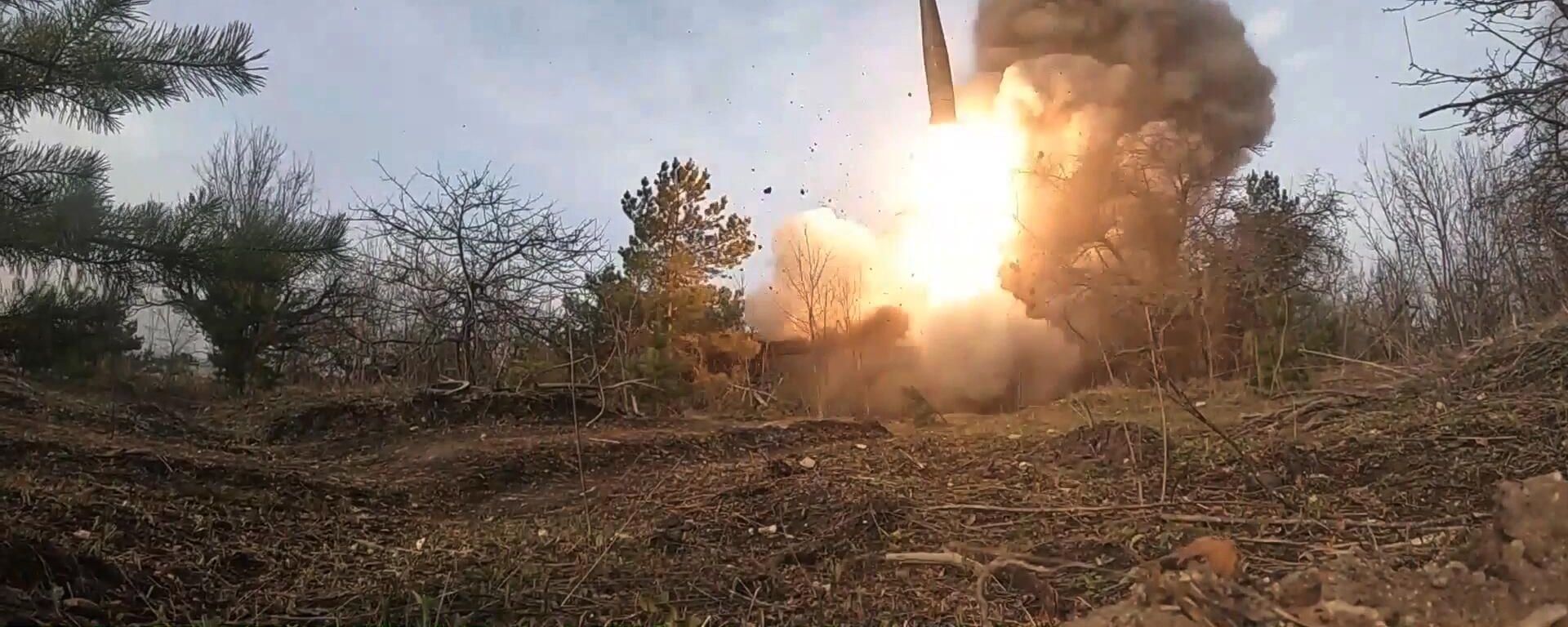
After the Ukrainian air defense network is overloaded, the primary strike weapons are launched – including
Zircon, Kinzhal and Kh-101 air-launched cruise missiles.