https://sputnikglobe.com/20260903/trans-arctic-transport-corridor-to-bolster-russias-role-as-eurasian-logistics-hub---expert-1124669511.html
Trans-Arctic Transport Corridor to Bolster Russia’s Role as Eurasian Logistics Hub - Expert
Trans-Arctic Transport Corridor to Bolster Russia’s Role as Eurasian Logistics Hub - Expert
Sputnik International
The Trans-Arctic Transport Corridor could cut shipping times between northern Europe and Northeast Asia compared to the Suez Canal route while providing an alternative should disruptions to traditional maritime routes occur, Amir Jahangir, CEO of Mishal Pakistan and a partner of the WEF New Economy and Societies Platform, told Sputnik.
2026-09-03T07:55+0000
2026-09-03T07:55+0000
2026-09-03T07:55+0000
world
arctic
far east
northern sea route
suez canal
russia
brics
northeast asia
https://cdn.imgsputnikglobe.com/img/07e8/05/11/1118493642_0:156:3000:1844_1920x0_80_0_0_813bee1a388e57b85271f0b2917260d3.jpg
While the project will not immediately replace existing shipping routes, its long-term viability hinges on several critical factors—year-round navigability, robust infrastructure development, manageable insurance costs, stringent environmental safeguards, and regulatory stability. Nevertheless, if successfully realized, it could emerge as a major new arterial corridor linking Eurasian markets.The Trans-Arctic Transport Corridor is a Russian infrastructure project designed to connect Siberia, the Urals, and the Far East with Arctic ports and global trade routes through the Northern Sea Route.The corridor links major hubs from St. Petersburg and Murmansk to Vladivostok, integrating maritime and river transport networks to create an alternative Europe-Asia trade route alongside traditional routes such as the Suez Canal.The project aims to boost Russia’s transit capacity, develop Arctic infrastructure and ice-class shipping, and connect inland waterways with the Northern Sea Route.
https://sputnikglobe.com/20260724/russia-china-aim-to-double-cargo-traffic-via-northern-sea-route-by-2030---rosatom-ceo-1124488475.html
arctic
far east
russia
northeast asia
Sputnik International
feedback@sputniknews.com
+74956456601
MIA „Rossiya Segodnya“
2026
Sputnik International
feedback@sputniknews.com
+74956456601
MIA „Rossiya Segodnya“
News
en_EN
Sputnik International
feedback@sputniknews.com
+74956456601
MIA „Rossiya Segodnya“
Sputnik International
feedback@sputniknews.com
+74956456601
MIA „Rossiya Segodnya“
arctic, far east, northern sea route, suez canal, russia, brics, northeast asia
arctic, far east, northern sea route, suez canal, russia, brics, northeast asia
Trans-Arctic Transport Corridor to Bolster Russia’s Role as Eurasian Logistics Hub - Expert
The Trans-Arctic Transport Corridor could cut shipping times between northern Europe and Northeast Asia compared to the Suez Canal route while providing an alternative should disruptions to traditional maritime routes occur, Amir Jahangir, CEO of Mishal Pakistan and a partner of the WEF New Economy and Societies Platform, told Sputnik.
Russia, China, Northeast Asian markets, India, Central Asia, and other BRICS economies could benefit from deeper integration of Arctic shipping with Eurasian rail, port, and logistics networks
The corridor could support a more multipolar transport system by reducing reliance on traditional maritime chokepoints, while strengthening Russia’s role in Eurasian supply chains
While the project will not immediately replace existing shipping routes, its long-term viability hinges on several critical factors—year-round navigability, robust infrastructure development, manageable insurance costs, stringent environmental safeguards, and regulatory stability. Nevertheless, if successfully realized, it could emerge as a major new arterial corridor linking Eurasian markets.
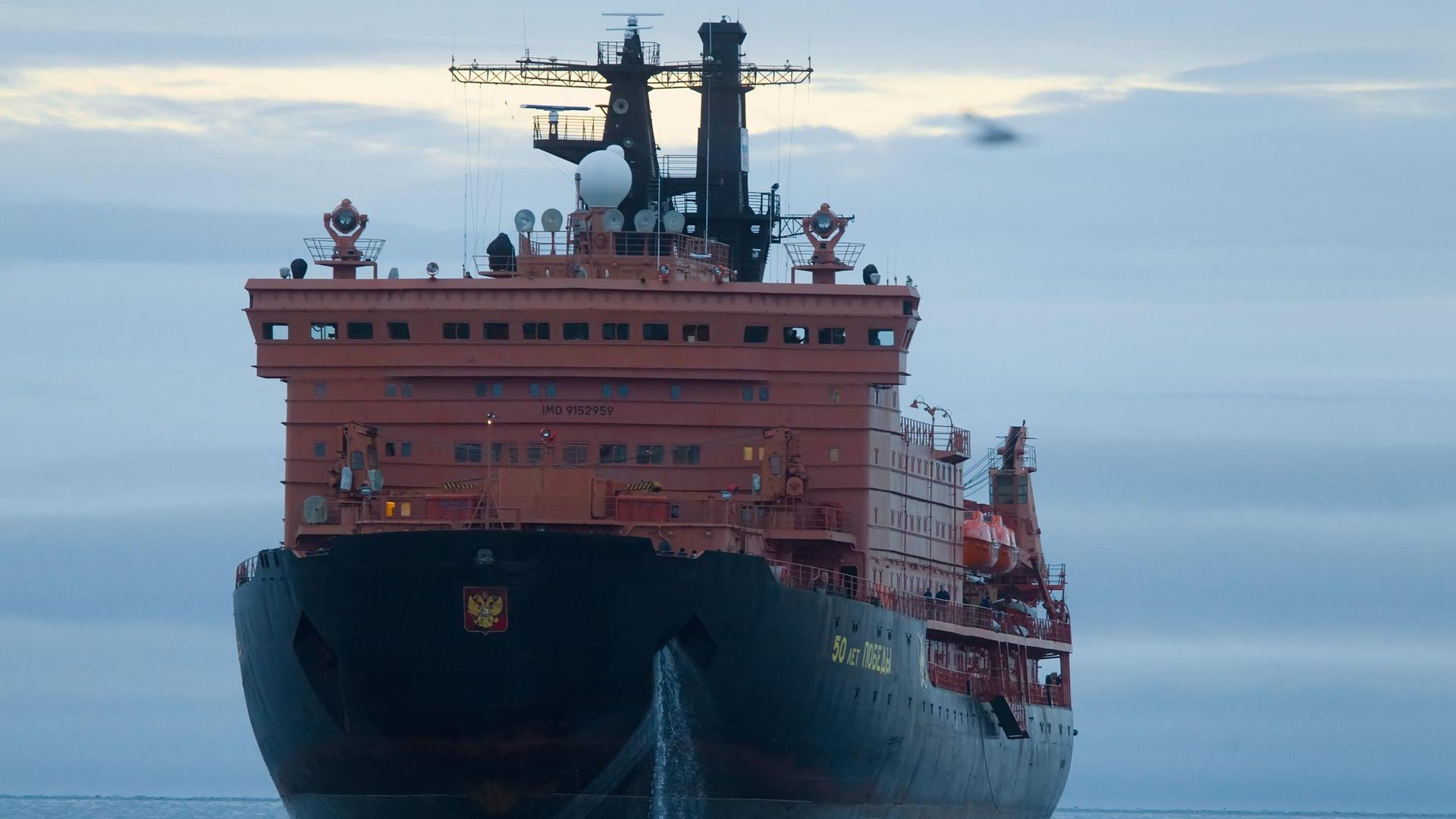
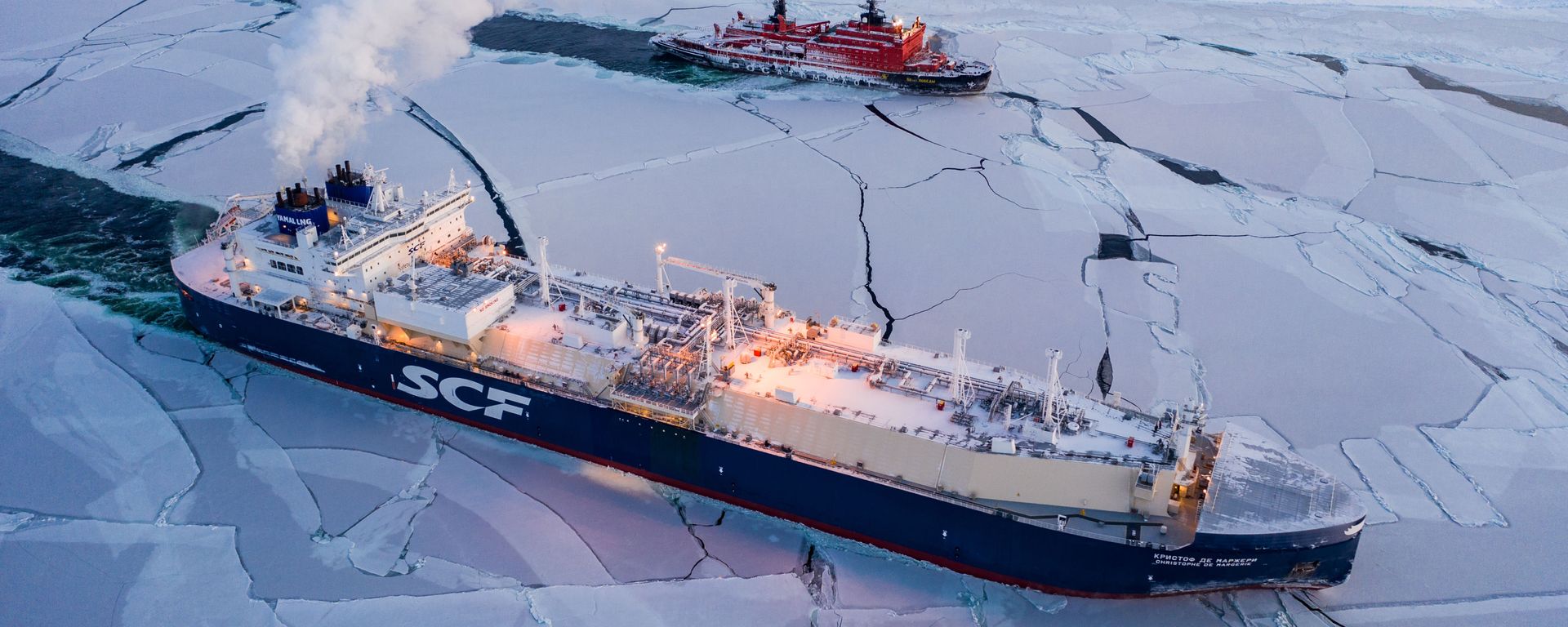
The Trans-Arctic Transport Corridor is a Russian infrastructure project designed to connect Siberia, the Urals, and the Far East with Arctic ports and global trade routes through the
Northern Sea Route.
The corridor links major hubs from St. Petersburg and Murmansk to Vladivostok, integrating maritime and river transport networks to create an alternative Europe-Asia trade route alongside traditional routes such as the Suez Canal.
The project aims to boost Russia’s transit capacity, develop Arctic infrastructure and ice-class shipping, and connect inland waterways with the Northern Sea Route.