https://sputnikglobe.com/20261102/us-geopolitical-and-financial-course-to-stay-the-same-after-midterms---ex-us-army-officer-1124989921.html
US Geopolitical and Financial Course to Stay the Same After Midterms - Ex-US Army Officer
US Geopolitical and Financial Course to Stay the Same After Midterms - Ex-US Army Officer
Sputnik International
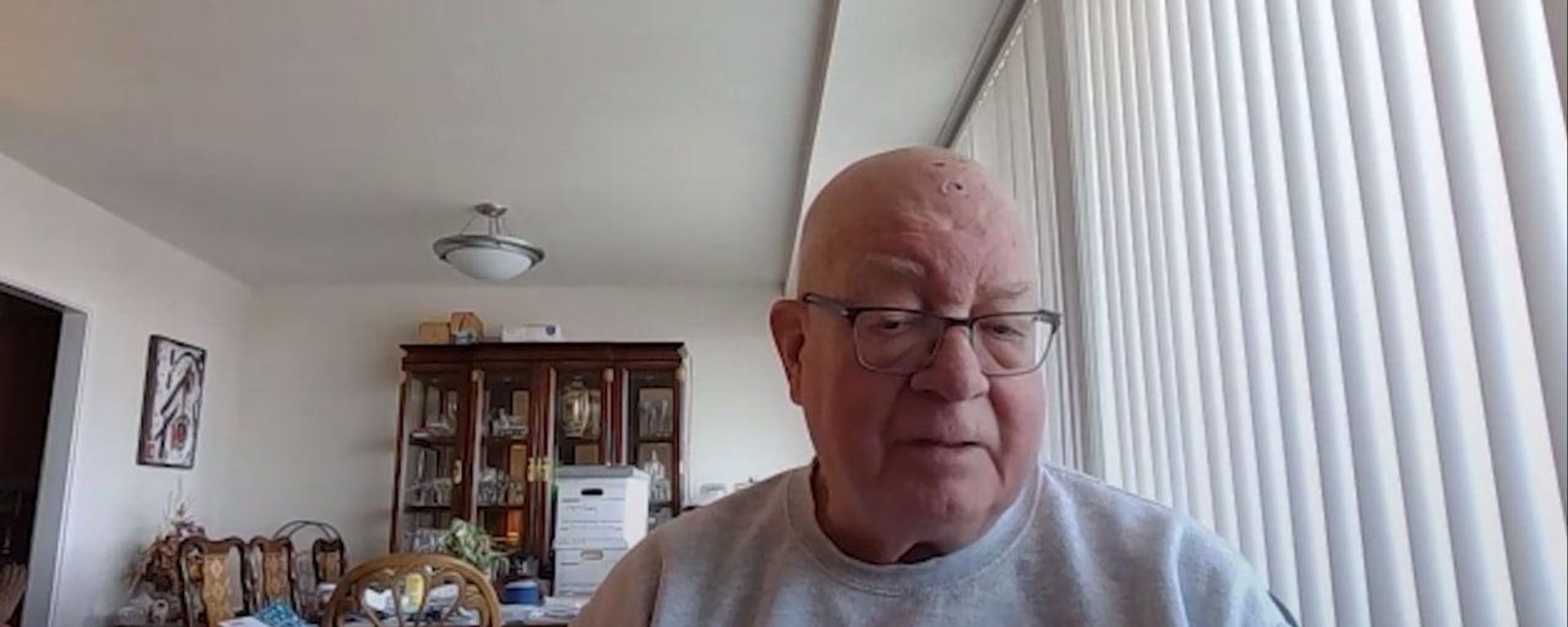
The outcome of the upcoming midterms are unlikely to change the course of US-Russia or US-Iran relations, retired US Army Lieutenant Colonel Earl Rasmussen tells Sputnik.
2026-11-02T14:49+0000
2026-11-02T14:49+0000
2026-11-02T16:37+0000
analysis
us
opinion
earl rasmussen
donald trump
ukraine
iran
congress
us army
russia
https://cdn.imgsputnikglobe.com/img/106956/36/1069563694_0:108:4032:2376_1920x0_80_0_0_4f476de0c40b2a2d80b375c24afcda7f.jpg
“One needs to remember that there are strong interests in the background that continue to support the conflicts whether that be lobbying interests be that geopolitical or financial,” the pundit says.Rasmussen notes that “one positive note is [the Trump administration’s] engagement with Russia,” which is now facing “roadblocks internally, with many European leaders, and with Ukraine.”Meanwhile, the Iran war, continued support for Israel’s war in Gaza as well as the ongoing conflict in Yemen “has put Southwest Asia on the edge of complete collapse and humiliation of the US and the West.”No future shift in the balance of power in Congress is likely to alter this course; doing so would require nothing less than a fundamental cultural shift within elements of the US administration, Congress, and among its allies, according to the US military veteran.When it comes to Ukraine, the US leadership needs to accept the root causes of the conflict which date back even before 2014, argues Rasmussen. He stresses that Washington broke international agreements and “pushed Russia to the edge with many ethnic Russians in the Ukraine suffering during false ceasefires of Minsk 1 and 2.”
https://sputnikglobe.com/20261029/pentagon-chief-strategist-may-have-been-fired-for-opposing-new-iran-operation--us-military-veteran-1124976728.html
ukraine
iran
russia
Sputnik International
feedback@sputniknews.com
+74956456601
MIA „Rossiya Segodnya“
2026
News
en_EN
Sputnik International
feedback@sputniknews.com
+74956456601
MIA „Rossiya Segodnya“
Sputnik International
feedback@sputniknews.com
+74956456601
MIA „Rossiya Segodnya“
us, opinion, earl rasmussen, donald trump, ukraine, iran, congress, us army, russia, europe, us midterms 2026
us, opinion, earl rasmussen, donald trump, ukraine, iran, congress, us army, russia, europe, us midterms 2026
US Geopolitical and Financial Course to Stay the Same After Midterms - Ex-US Army Officer
14:49 GMT 02.11.2026 (Updated: 16:37 GMT 02.11.2026) The outcome of the upcoming midterms are unlikely to change the course of US-Russia or US-Iran relations, retired US Army Lieutenant Colonel Earl Rasmussen tells Sputnik.
“One needs to remember that there are strong interests in the background that continue to support the conflicts whether that be lobbying interests be that geopolitical or financial,” the pundit says.
Rasmussen notes that “one positive note is [the Trump administration’s] engagement with Russia,” which is now facing “roadblocks internally, with many European leaders, and with Ukraine.”
Meanwhile,
the Iran war, continued support for Israel’s war in Gaza as well as the ongoing conflict in Yemen “has put Southwest Asia on the edge of complete collapse and humiliation of the US and the West.”
No future shift in the balance of power in Congress is likely to alter this course; doing so would require nothing less than a fundamental cultural shift within elements of the US administration, Congress, and among its allies, according to the US military veteran.
“[The US] needs to seek to engage in a constructive manner or seeking a win-win approach versus seeking dominance to maintain hegemony.”
When it comes to
Ukraine, the US leadership needs to accept the root causes of the conflict which date back even before 2014, argues Rasmussen. He stresses that Washington broke international agreements and “pushed Russia to the edge with many ethnic Russians in the Ukraine suffering during false ceasefires of Minsk 1 and 2.”
“[The US should] openly accept that Ukraine will not be a party of NATO, nor a de facto member, and will be constitutionally a neutral state,” he specified. “We need to accept internationally the new boundaries. We should seek to re-engage and develop joint business opportunities that benefit all.”