https://sputnikglobe.com/20261112/eu-may-allow-member-states-to-opt-out-of-new-ukraine-loan---reports-1125056601.html
EU May Allow Member States to Opt Out of New Ukraine Loan - Reports
EU May Allow Member States to Opt Out of New Ukraine Loan - Reports
Sputnik International
The European Union may allow reluctant member states to opt out of a new 45-billion-euro ($50 billion) loan for Ukraine, a European diplomatic source told Russian media.
2026-11-12T07:15+0000
2026-11-12T07:15+0000
2026-11-12T07:15+0000
world
ukraine
friedrich merz
hungary
slovakia
european parliament
european union (eu)
loan
https://cdn.imgsputnikglobe.com/img/07e9/0b/13/1123139527_0:0:3072:1728_1920x0_80_0_0_af34cb37eee627fda869bd66d824cee8.jpg
The source noted that EU leaders are set to discuss extra funding for Ukraine in 2027 during a summit of the European Political Community in Dublin on Thursday and an informal EU summit on Friday. Bulgaria, Hungary, Slovakia, and the Czech Republic have expressed their reservations about contributing to the new loan for Ukraine, the diplomatic source added. Pekka Toveri, chair of the Delegation to the EU-Ukraine Parliamentary Association Committee in the European Parliament, told Russian media that the approval of the loan does not require the support of all 27 EU member states, noting that the key is simply that no one blocks it. In late 2025, EU nations had agreed on a 90-billion-euro loan for Ukraine, covering the 2026–2027 period and funded through joint borrowing. The Czech Republic, Hungary, and Slovakia opted out. On Monday, media reported, citing a letter from German Chancellor Friedrich Merz to European Council President Antonio Costa, that the chancellor had threatened to block the European Union's new budget for 2028–2034 unless all EU member states commit to providing financial support to Ukraine.
https://sputnikglobe.com/20260715/west-expects-to-receive-ukraines-natural-resources-in-exchange-for-loans---moscow-1124451715.html
ukraine
hungary
slovakia
Sputnik International
feedback@sputniknews.com
+74956456601
MIA „Rossiya Segodnya“
2026
Sputnik International
feedback@sputniknews.com
+74956456601
MIA „Rossiya Segodnya“
News
en_EN
Sputnik International
feedback@sputniknews.com
+74956456601
MIA „Rossiya Segodnya“
Sputnik International
feedback@sputniknews.com
+74956456601
MIA „Rossiya Segodnya“
ukraine, friedrich merz, hungary, slovakia, european parliament, european union (eu), loan
ukraine, friedrich merz, hungary, slovakia, european parliament, european union (eu), loan
EU May Allow Member States to Opt Out of New Ukraine Loan - Reports
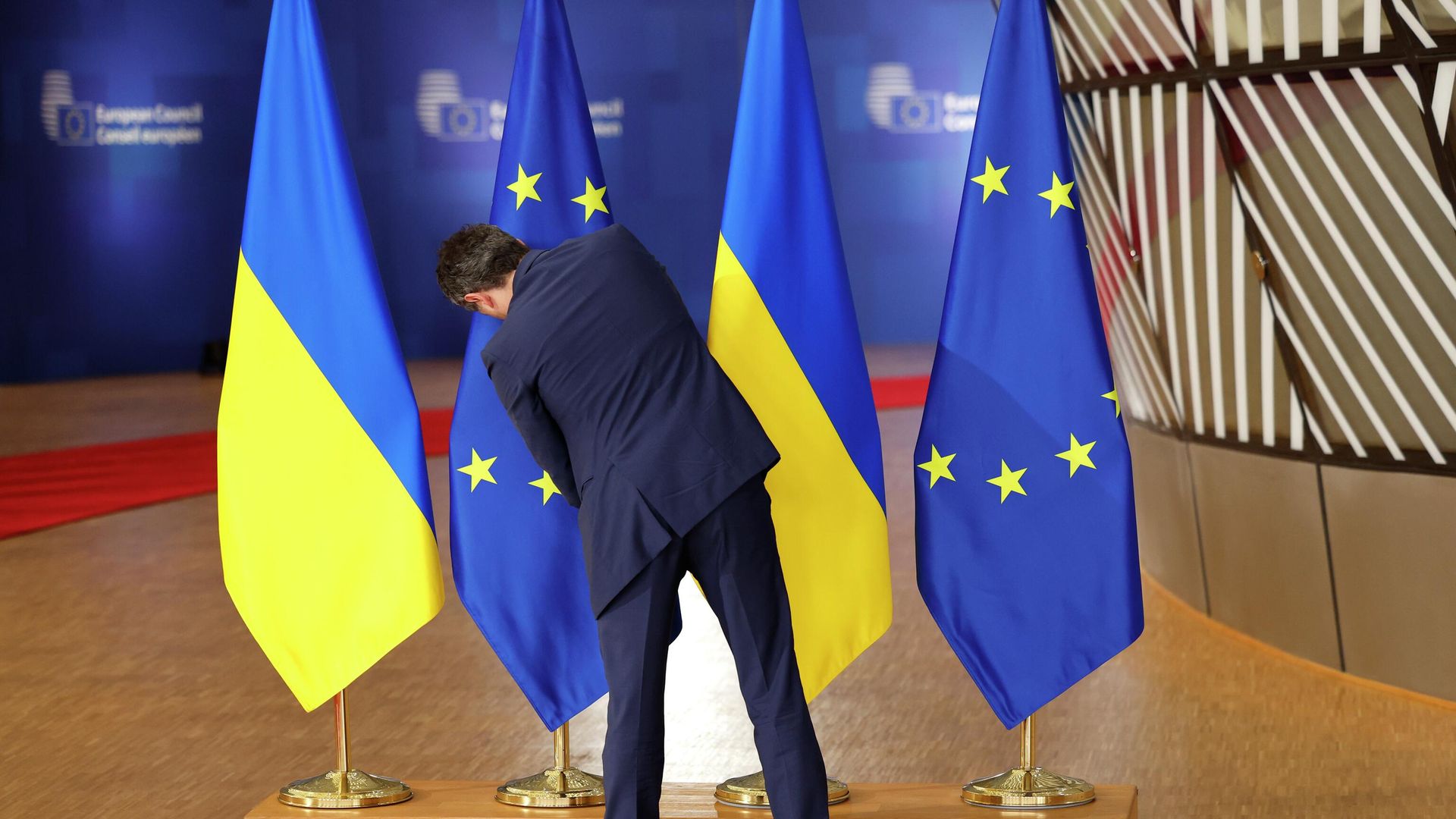
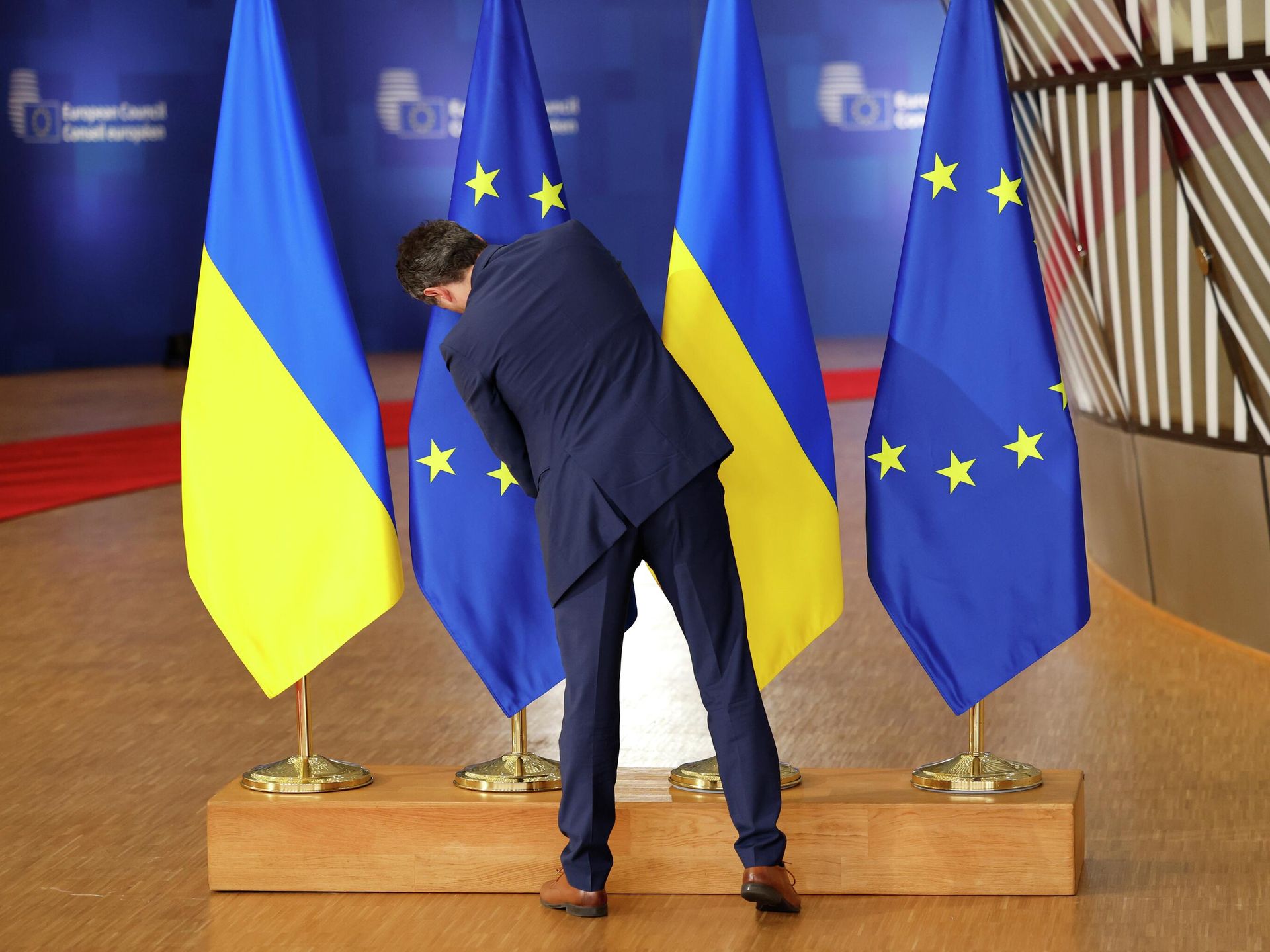
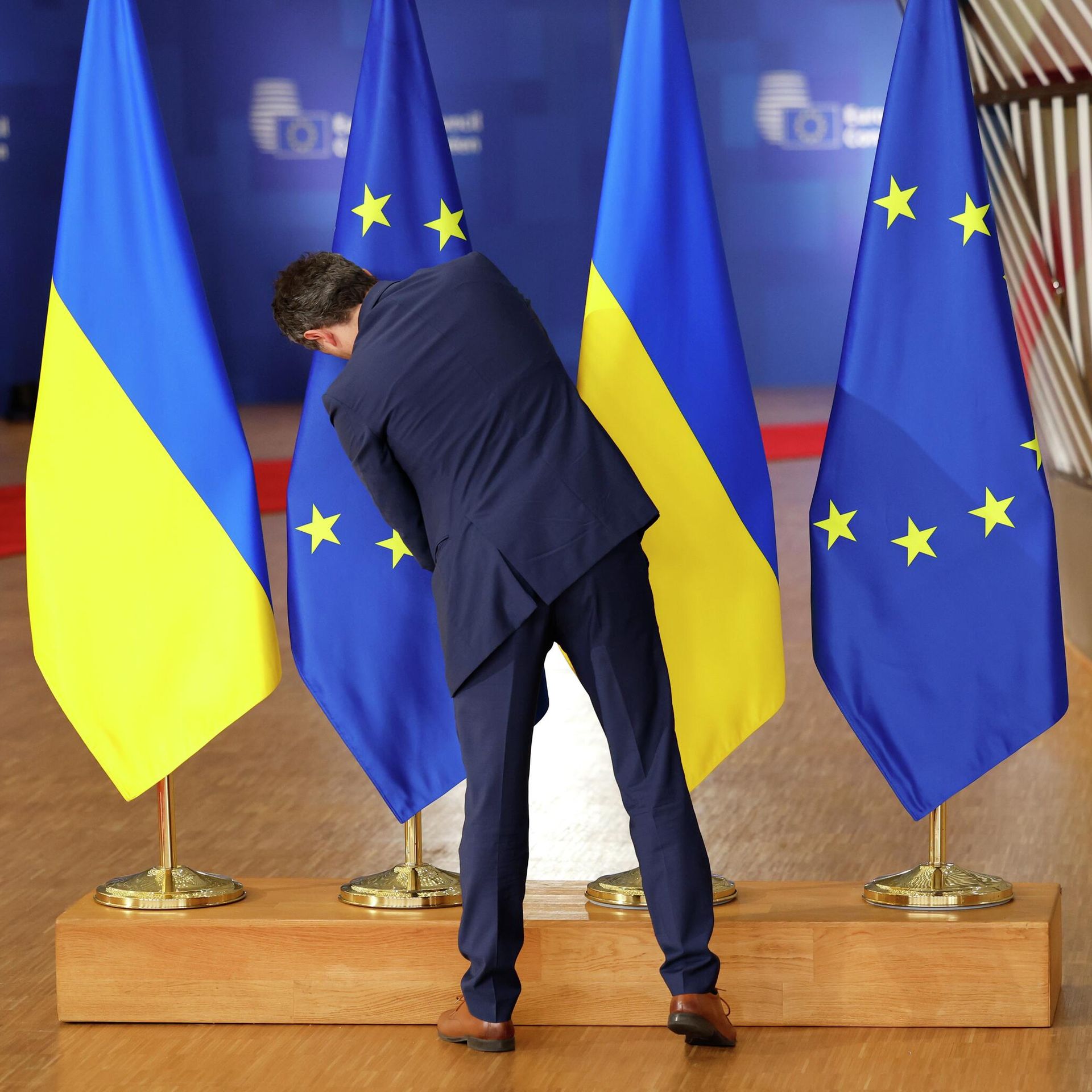
MOSCOW (Sputnik) - The European Union may allow reluctant member states to opt out of a new 45-billion-euro ($50 billion) loan for Ukraine, a European diplomatic source told Russian media.
The source noted that EU leaders are set to discuss extra funding for Ukraine in 2027 during a summit of the European Political Community in Dublin on Thursday and an informal EU summit on Friday.
"If an agreement on the loan cannot be reached, discussions will continue at the next summit on November 26–27. It is highly likely that countries that do not wish to participate will be permitted to opt out of the new loan," the source said.
Bulgaria, Hungary, Slovakia, and the Czech Republic have expressed their reservations about contributing to the new loan for Ukraine, the diplomatic source added.
Pekka Toveri, chair of the Delegation to the EU-Ukraine Parliamentary Association Committee in the European Parliament, told Russian media that the approval of the loan does not require the support of all 27 EU member states, noting that the key is simply that no one blocks it.
In late 2025, EU nations had agreed on a 90-billion-euro loan for Ukraine, covering the 2026–2027 period and funded through joint borrowing. The Czech Republic, Hungary, and Slovakia opted out.
On Monday, media reported, citing a letter from German Chancellor Friedrich Merz to European Council President Antonio Costa, that the chancellor had threatened to block the European Union's new budget for 2028–2034 unless all EU member states commit to providing
financial support to Ukraine.