
What Does US Depleted Oil Reserve Mean For Energy Security & Global Markets?
Subscribe
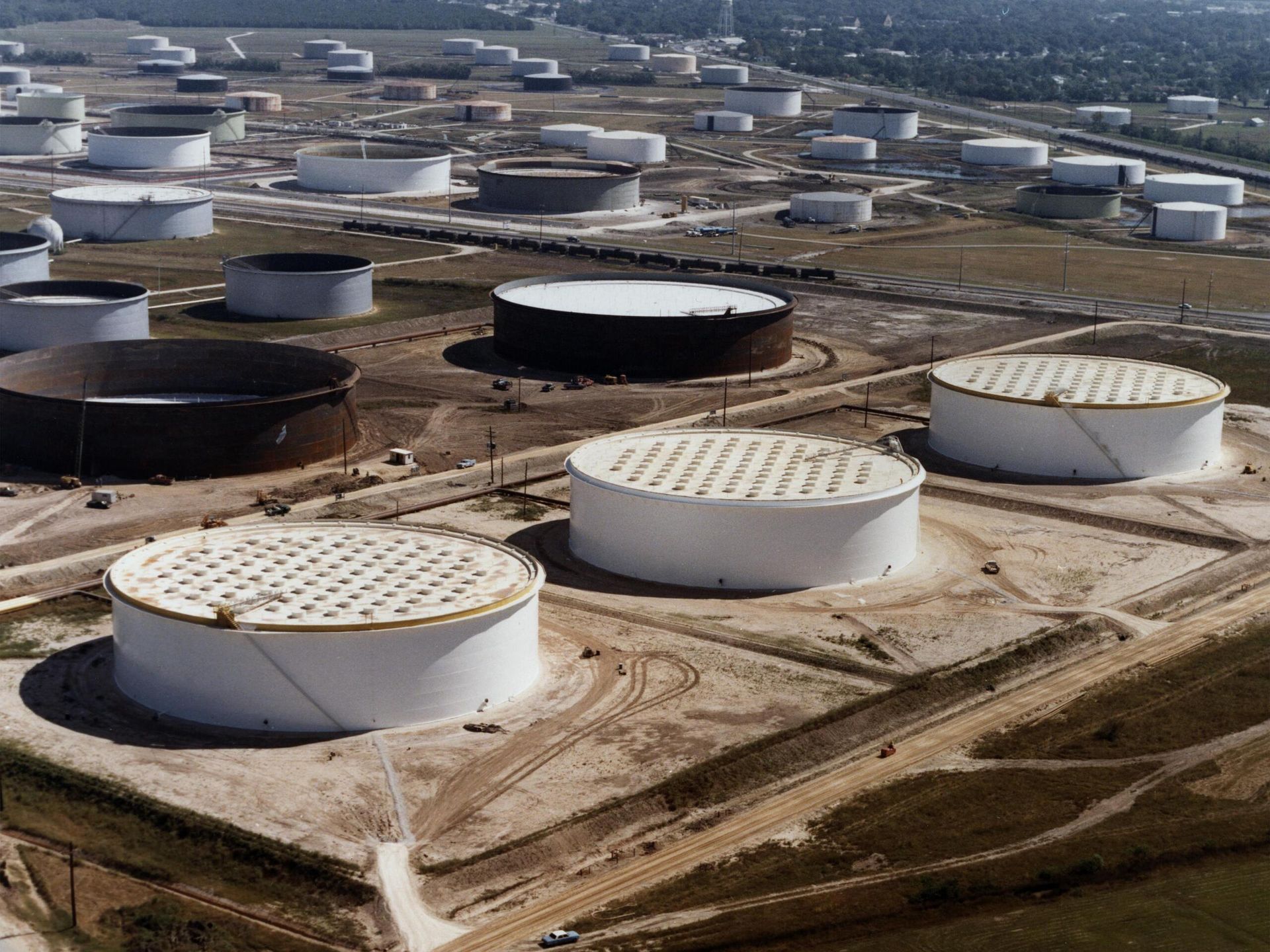
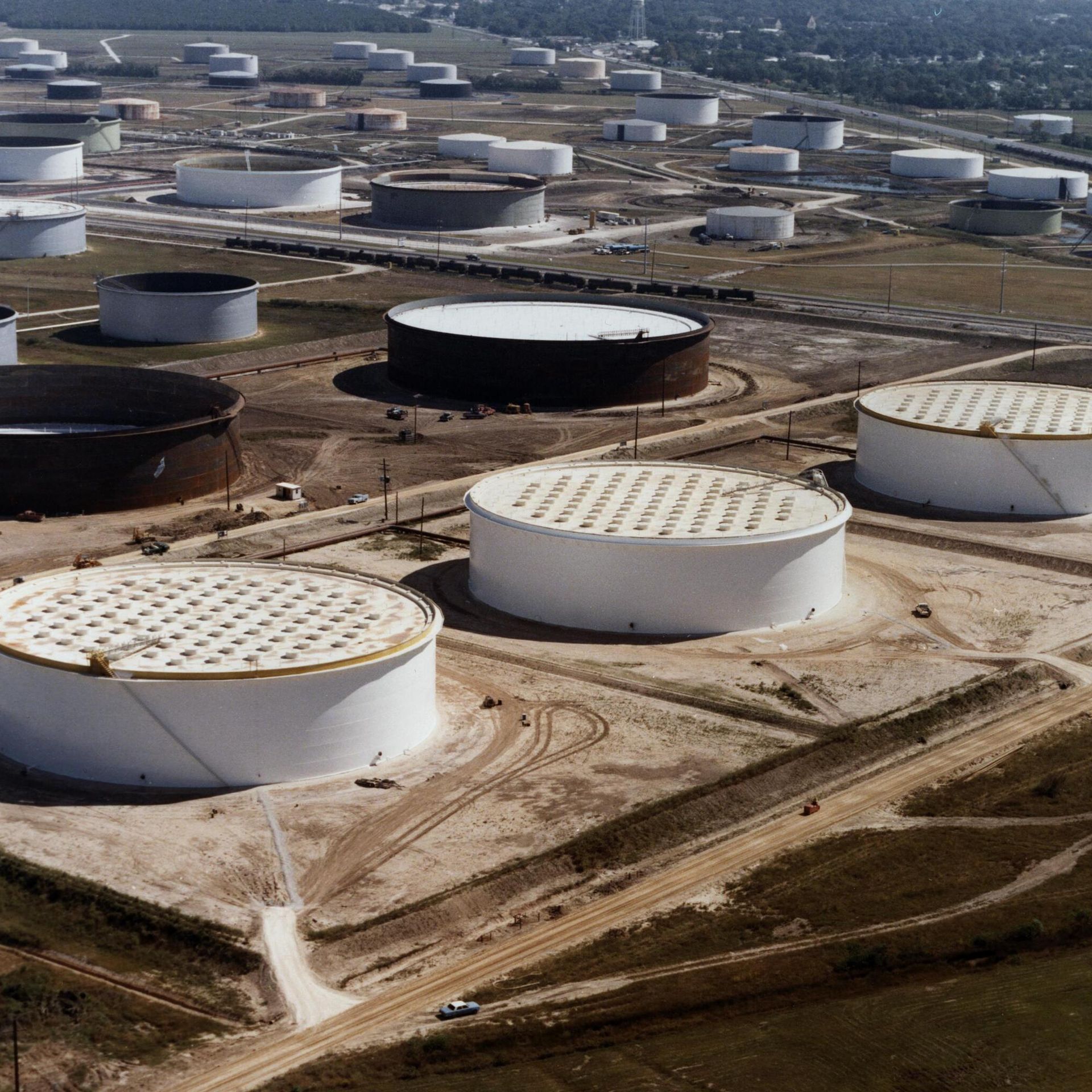
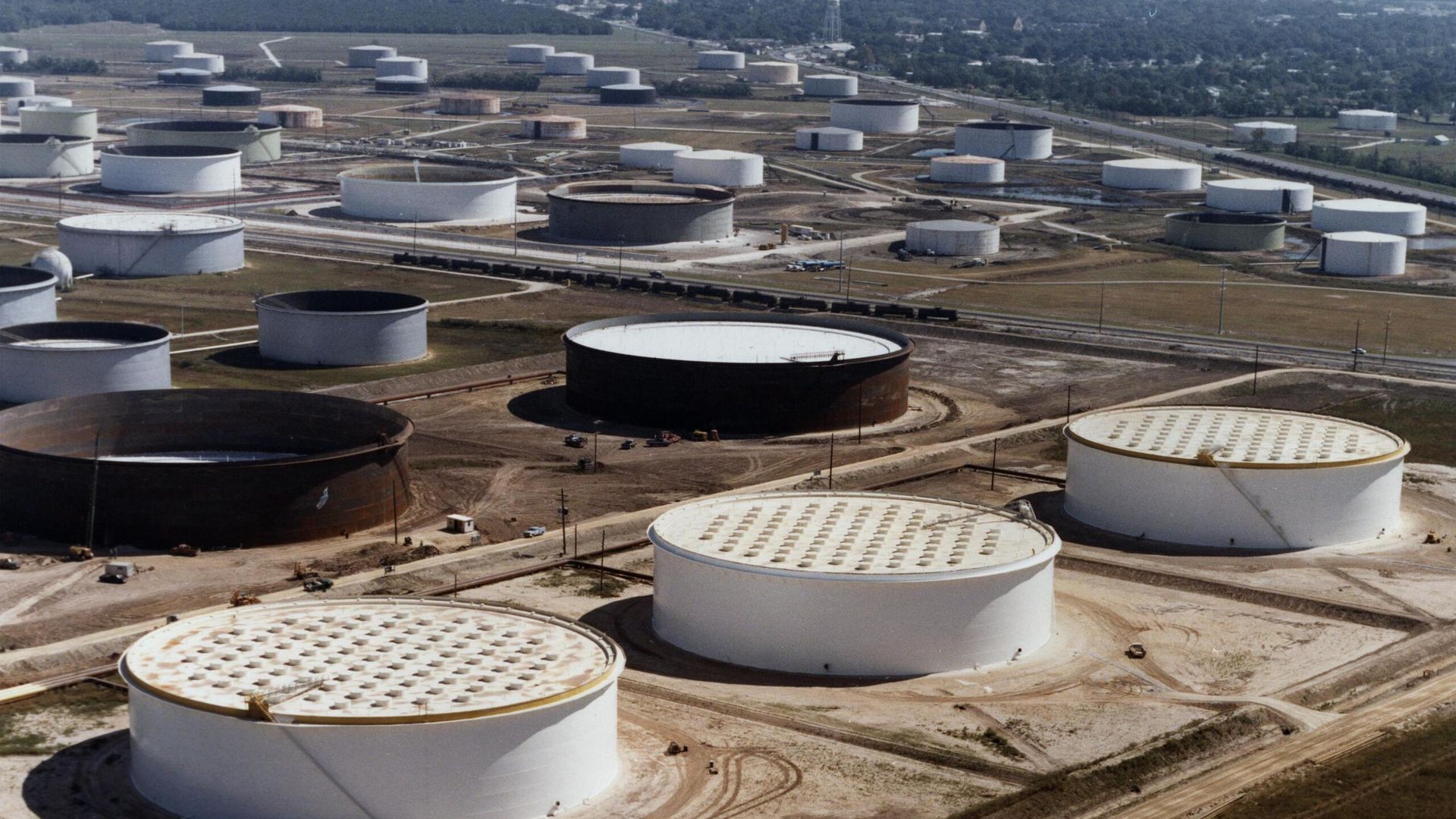
Crude oil stocks in the US Strategic Petroleum Reserve sank to 276.4 million barrels in the week ending November 13 – just 39% of its 714-million-barrel capacity.
This lowest level of SPR crude since August 1982 (DOE) could have far reaching repercussions, warn industry experts cited by US media.
after releasing 172M barrels in March to offset disruptions from the war on Iran, the US has weakened a key market stabilizer: global importers and refiners are more exposed to price swings
US has already turned to secondary tools such as temporary Jones Act waivers and early winter-blend sales
restocking is harder in a tight market and risks pushing prices higher still
ageing infrastructure and maintenance backlogs reportedly already constrain the reserve’s ability to refill
as inventories fall, deep withdrawals can degrade the integrity of the underground storage facilities
US strategic oil reserves fall to 44-year low The US Strategic Petroleum Reserve has dropped to 289.7 million barrels, its lowest level since 1982, according to Energy Department data. The main factor has been the large-scale release of oil from the Strategic Petroleum Reserve to stabilize global markets, prompted by the conflict with Iran. US and Israeli military actions against Iran, which began in late February 2026, disrupted oil flows, particularly through the Strait of Hormuz, creating a significant global supply shortage.
— Sputnik (@SputnikInt) August 27, 2026
Preferential access to output from 17 Venezuelan fields through a deal with North American Blue Energy Partners - secured after the US military operation to abduct President Nicolas Maduro and has been presented as a longer-term solution by the Trump administration.
However, much of Venezuela's extra-heavy, sulphur-rich crude requires specialized processing and blending, while neglected infrastructure and underdeveloped fields may take years to restore.
However, much of Venezuela's extra-heavy, sulphur-rich crude requires specialized processing and blending, while neglected infrastructure and underdeveloped fields may take years to restore.
It is also not necessarily suitable for direct storage in the SPR, which holds different grades of crude.