
APEC 2026 in Shenzhen: Day One Recap
© Sputnik / POOL
/ Subscribe
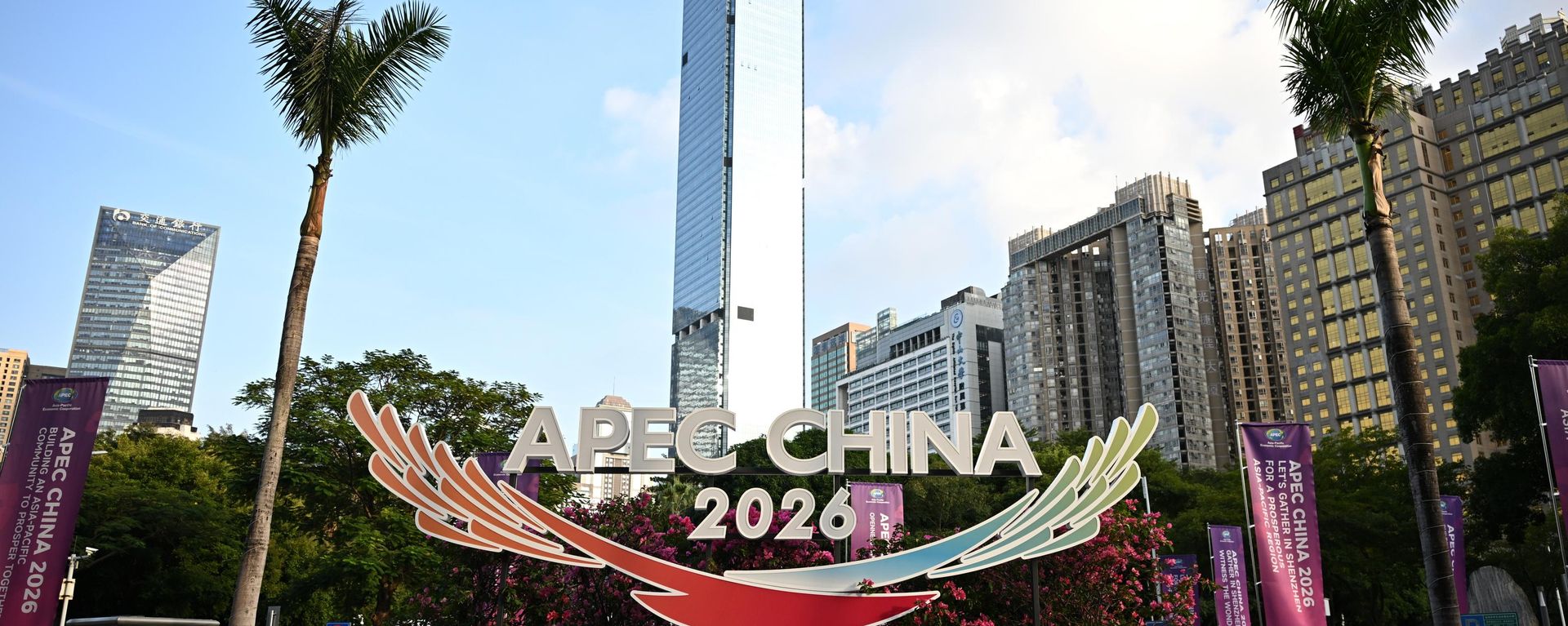
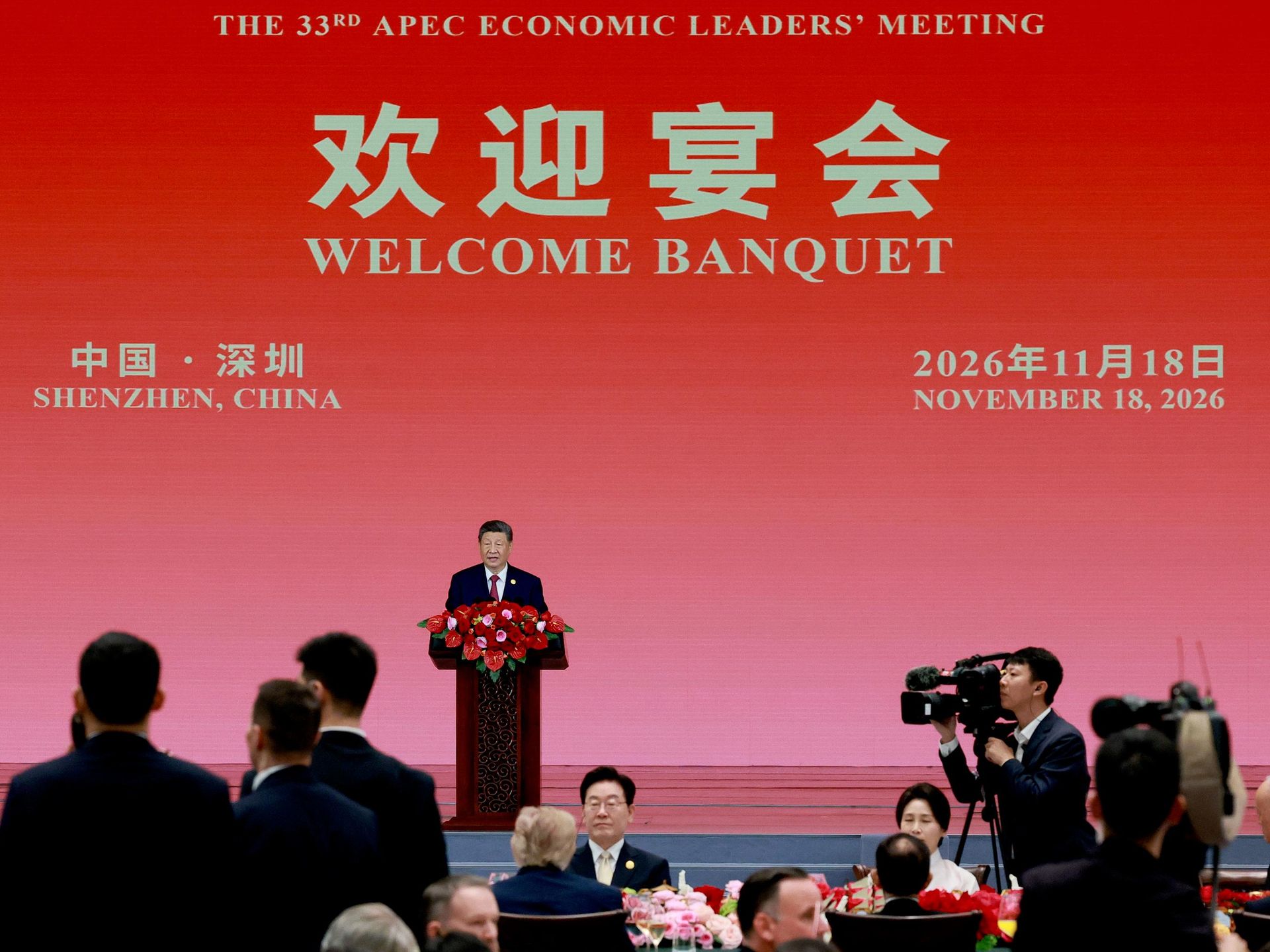
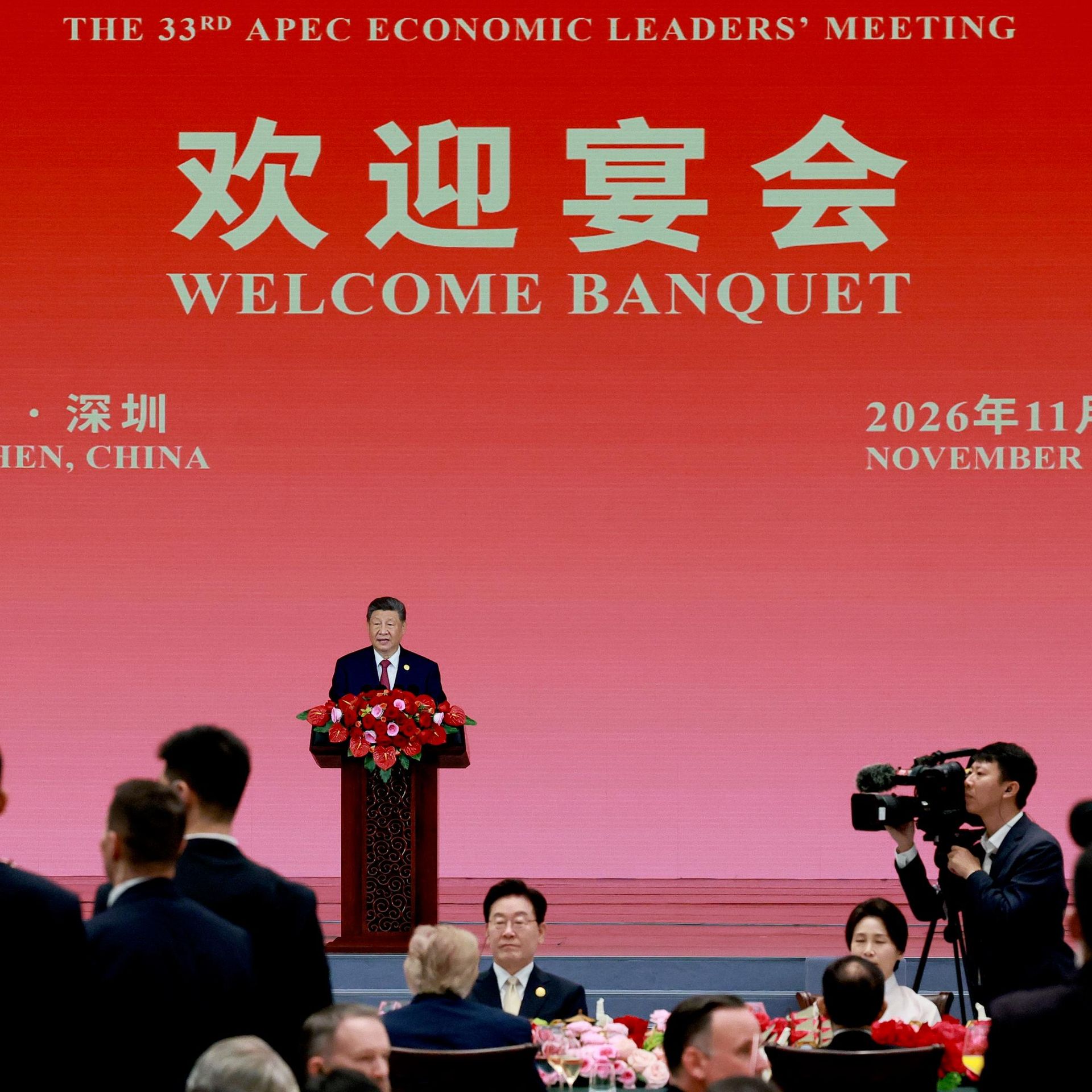
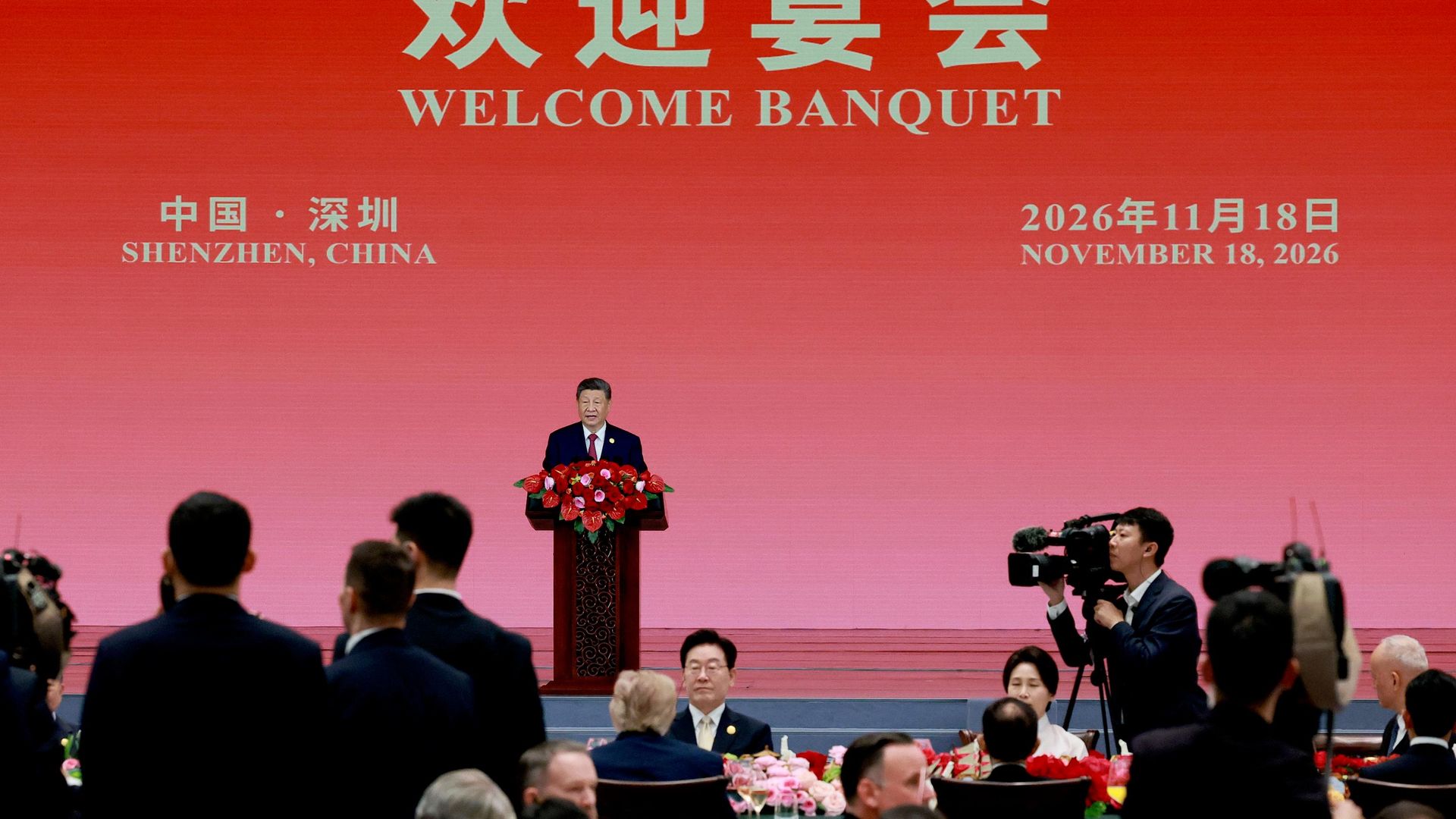
The APEC summit opened in Shenzhen, China, on November 18, 2026.
Key developments
Chinese President Xi Jinping spoke at the opening of the APEC CEO Summit. He noted that China was chairing APEC for the third time and spoke about innovation and economic cooperation within the forum.
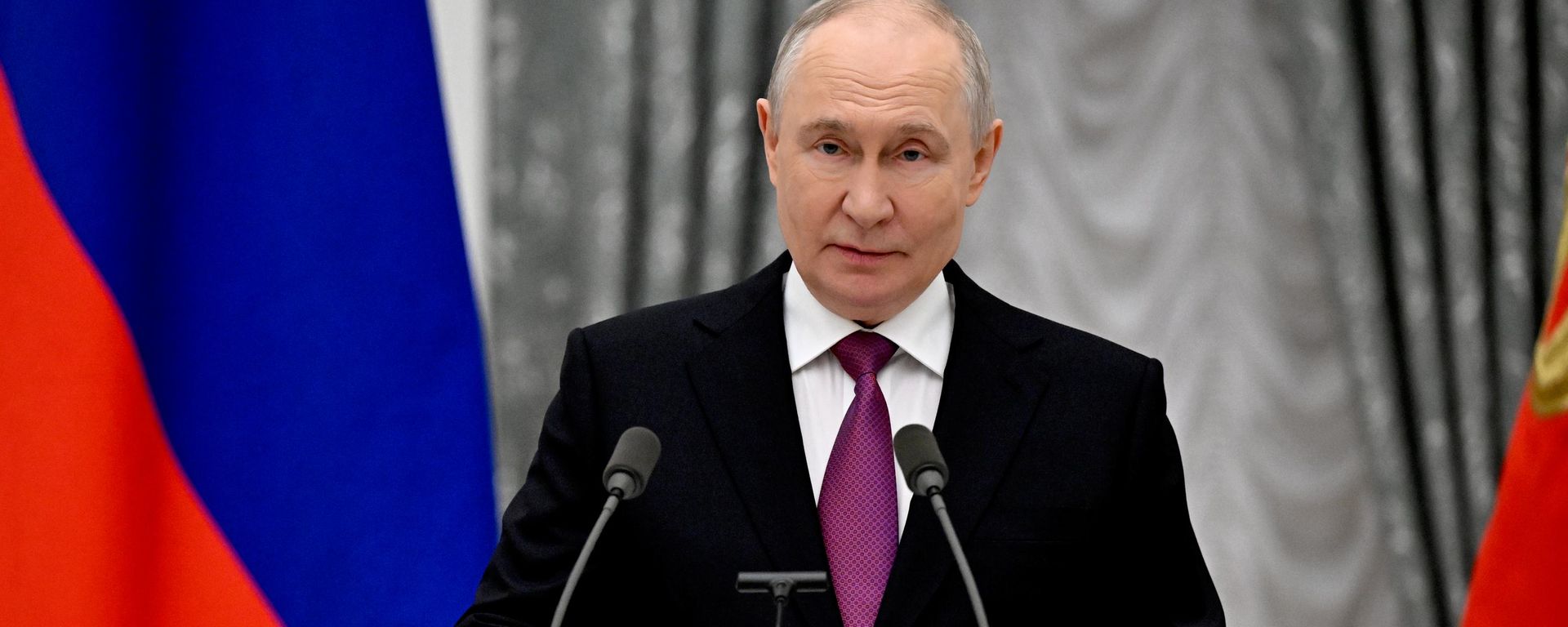
Russian President Vladimir Putin addressed the APEC CEO Summit. His key points included the following:
The Asia-Pacific has become the center of the global economy and a global hub for industry and technology.
External pressure on Russia, particularly from the EU, has spurred its economic development.
Attempts to isolate Russia through sanctions have failed, and those who imposed them have “punished themselves.”
Falling living standards in EU countries are humiliating for the eurozone.
The APEC CEO Summit adopted the Shenzhen Initiative.
Putin's Schedule
Putin met with Xi Jinping. After his speech, Putin held talks with Xi. It was their fifth contact in 2026.
Putin also met with Vietnamese President To Lam.
Putin visited Shenzhen MSU-BIT University, a joint university established by Moscow State University and the Beijing Institute of Technology. He spoke to faculty and students about Russian–Chinese cooperation in education.
Xi Jinping, Vladimir Putin, and Donald Trump shook hands in a historic encounter ahead of the formal reception.
What's Scheduled for Nov.19?
The leaders of Russia, China, and the US are scheduled to hold their first trilateral talks on Nov. 19 on the sidelines of the summit.
APEC Business Summit Calls for an Asia-Pacific Free Trade Area
The APEC CEO Summit released its Shenzhen Initiative on Nov. 18, the final day of the business forum and the opening day of the APEC leaders’ summit. The initiative will go to APEC leaders for consideration. The leaders are expected to issue their own declaration when their summit closes on Nov. 19.
The Shenzhen Initiative calls on APEC members to:
Advance an Asia-Pacific free trade area by bringing regional trade rules closer together and sharing lessons from existing trade agreements
Keep trade and investment open and predictable by supporting fair, transparent, and nondiscriminatory rules, regional economic integration, and the multilateral trading system
Lower barriers to food trade by cutting nontariff restrictions that make moving food across borders more expensive
Strengthen long-term food security by improving disaster preparedness, supporting agricultural innovation, using water more efficiently, and developing biomanufacturing
Establish rules for AI that support innovation and broaden access to its benefits while ensuring safety, accountability, and effective oversight