https://sputnikglobe.com/20260416/fatal-arrogance-doomed-us-multi-domain-operations-doctrine-in-iran-war---ex-pentagon-analyst-1123994778.html
Fatal Hubris Deep-Sixing US Multi-Domain Operations in Iran War - Ex-Pentagon Analyst
Fatal Hubris Deep-Sixing US Multi-Domain Operations in Iran War - Ex-Pentagon Analyst
Sputnik International
The fundamental vulnerability of the US Multi-Domain Operations doctrine is “centralization and the idea that the entire battle space can be effectively managed from the top,” retired USAF Lt. Col. Karen Kwiatkowski tells Sputnik.
2026-04-16T05:54+0000
2026-04-16T05:54+0000
2026-04-16T06:45+0000
analysis
military & intelligence
karen kwiatkowski
iran
israel
https://cdn1.img.sputnikglobe.com/img/07e8/0a/03/1120395378_0:0:1200:676_1920x0_80_0_0_45e1a0ca7534a4003d0800cb35decaef.jpg
Kwiatkowski calls it “a kind of arrogance and an unwarranted confidence in complex data systems.”In theory, the MDO promises seamless coordination across land, air, sea, cyber, and space. In practice, it depends on perfect data.The US-Israeli side, while focused on centralized offensive operations and AI-driven targeting, tends to stifle lower-level initiative, the analyst argues.Iran, by contrast, runs a decentralized, survivable, locally repairable system relying on “well-trained and trusted operators throughout the system. Mosaic and defense driven.”The US-Israeli precision strikes (PrSM), cyberattacks, and electronic warfare (EW) failed to crush Iran’s resilience because “bombs don’t change minds,” Kwiatkowski contends, noting:The US and Israel can win battles—though we have not seen that in this war—yet still become weakened, lose initiative, and “eventually be forced to withdraw and try to evade responsibility for the many tactical, strategic, and intelligence errors they made,” concludes the former DoD analyst.
https://sputnikglobe.com/20260415/-iran-denies-extending-ceasefire-with-us--1123991232.html
iran
israel
Sputnik International
feedback@sputniknews.com
+74956456601
MIA „Rossiya Segodnya“
2026
Sputnik International
feedback@sputniknews.com
+74956456601
MIA „Rossiya Segodnya“
News
en_EN
Sputnik International
feedback@sputniknews.com
+74956456601
MIA „Rossiya Segodnya“
Sputnik International
feedback@sputniknews.com
+74956456601
MIA „Rossiya Segodnya“
vulnerability of us multi-domain operations doctrine in iran war, us war on iran, us aggression, us attack, us strike, us-iran war, us-israel-iran war, unprovoked aggression, forever war, us losses, ceasefire, ceasefire talks, talks, us-iran talks, iran-us talks, illegal war, unauthorized war
vulnerability of us multi-domain operations doctrine in iran war, us war on iran, us aggression, us attack, us strike, us-iran war, us-israel-iran war, unprovoked aggression, forever war, us losses, ceasefire, ceasefire talks, talks, us-iran talks, iran-us talks, illegal war, unauthorized war
Fatal Hubris Deep-Sixing US Multi-Domain Operations in Iran War - Ex-Pentagon Analyst
05:54 GMT 16.04.2026 (Updated: 06:45 GMT 16.04.2026) The fundamental vulnerability of the US Multi-Domain Operations doctrine is “centralization and the idea that the entire battle space can be effectively managed from the top,” retired USAF Lt. Col. Karen Kwiatkowski, a former DoD analyst, tells Sputnik.
Kwiatkowski calls it “a kind of arrogance and an unwarranted confidence in complex data systems.”
In theory, the MDO promises seamless coordination across land, air, sea, cyber, and space. In practice, it depends on perfect data.
“When the system is weakened at any point,” Kwiatkowski notes, “the rest of the system is made more vulnerable to missing, untimely, or bad data.”
The
US-Israeli side, while focused on centralized offensive operations and AI-driven targeting, tends to stifle lower-level initiative, the analyst argues.
"Trust in AI for decision-making on targeting is a substitute for a strategy with clear and focused objectives,” she warns.
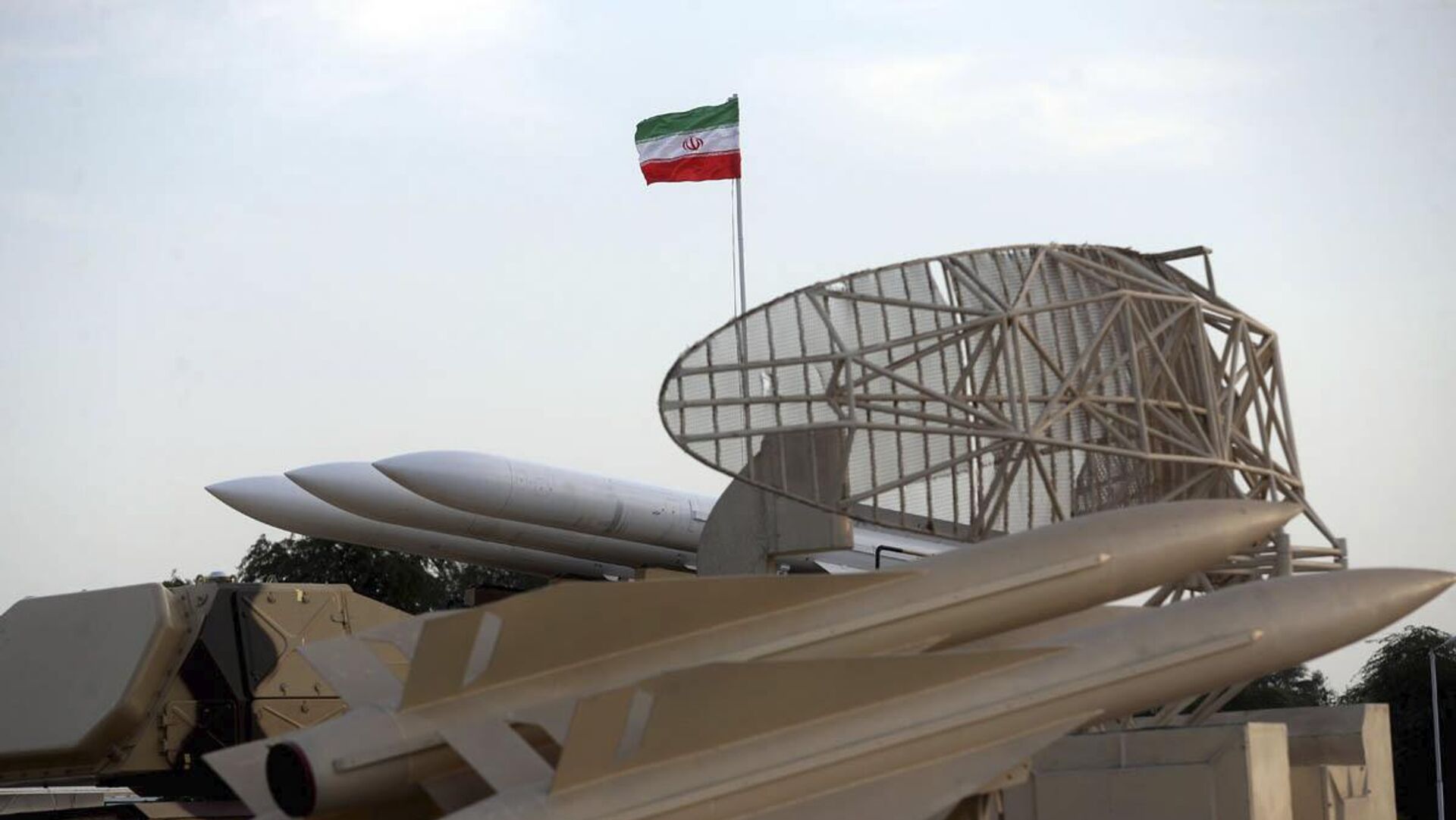
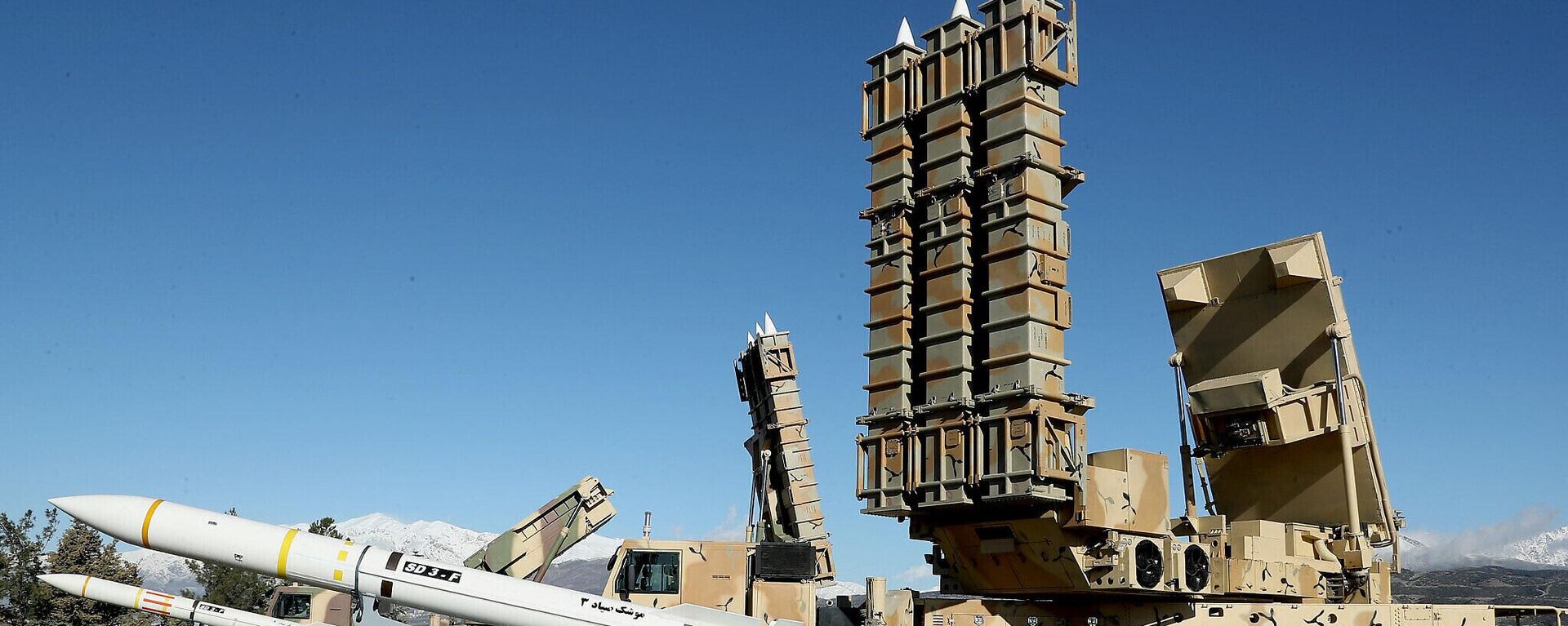
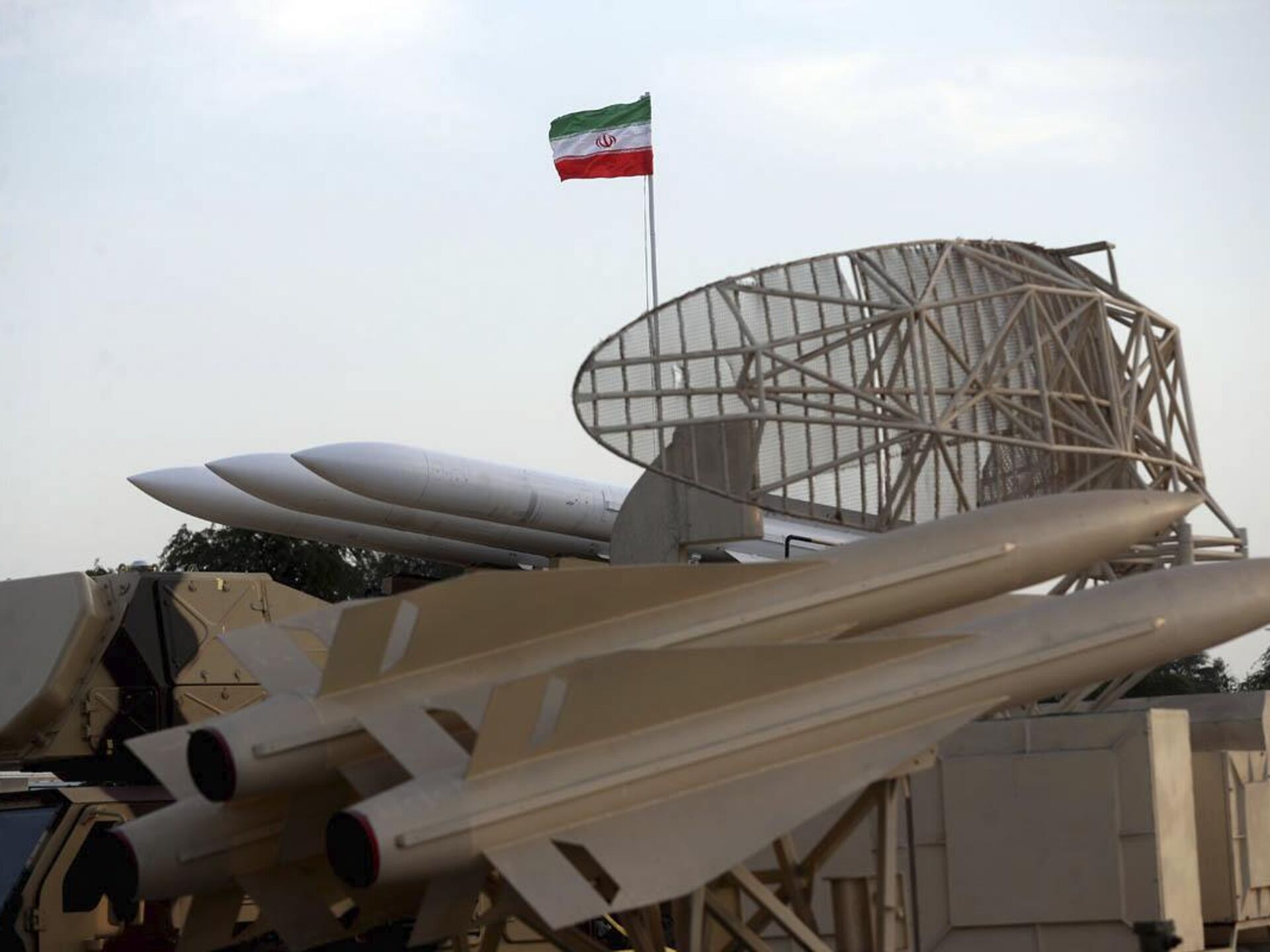
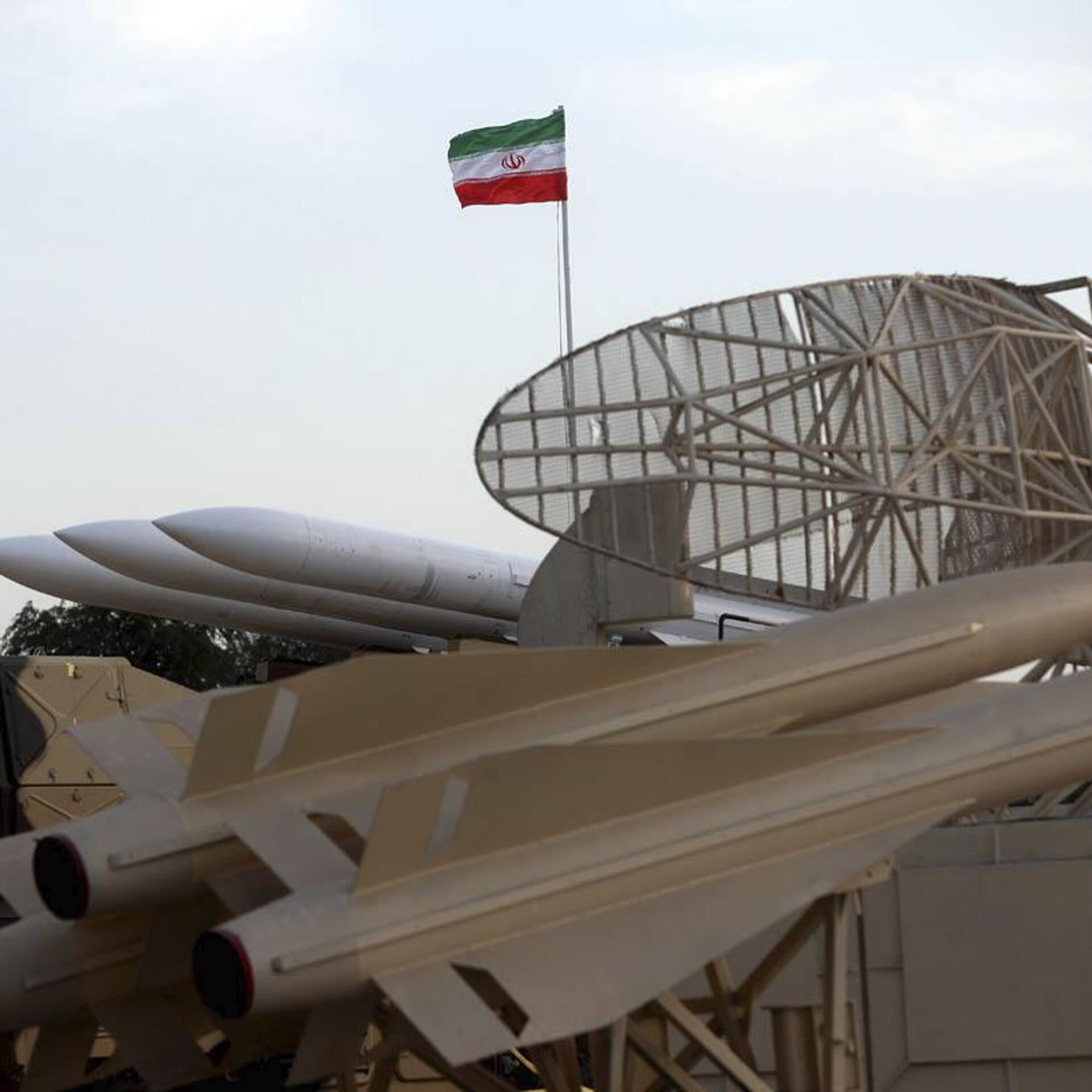
Iran, by contrast, runs a decentralized, survivable, locally repairable system relying on “well-trained and trusted operators throughout the system. Mosaic and defense driven.”
The US-Israeli precision strikes (PrSM), cyberattacks, and electronic warfare (EW) failed to crush
Iran’s resilience because “
bombs don’t change minds,” Kwiatkowski contends, noting:
“Political inconsistency and ignorance cannot convince a country defending itself against clearly illegal and unjust attacks.”
The US and Israel can win battles—though we have not seen that in this war—yet still become weakened, lose initiative, and “eventually be forced to withdraw and try to evade responsibility for the many tactical, strategic, and intelligence errors they made,” concludes the former DoD analyst.