https://sputnikglobe.com/20231021/russian-military-mulls-creating-special-units-armed-with-mini-attack-drones---report-1114378265.html
Russian Military Mulls Creating Special Units Armed With Mini-Attack Drones - Report
Russian Military Mulls Creating Special Units Armed With Mini-Attack Drones - Report
Sputnik International
The Russian Armed Forces are reportedly actively discussing the possibility of creating separate units armed with attack mini-unmanned aerial vehicles (UAVs).
2023-10-21T10:17+0000
2023-10-21T10:17+0000
2023-10-21T10:17+0000
russia
russian armed forces
uavs
drones
unmanned aerial vehicle
lancet
military
military & intelligence
ukraine
https://cdn.imgsputnikglobe.com/img/07e7/0a/15/1114377885_0:160:3072:1888_1920x0_80_0_0_3328928d3b9ff2881a2bdd0fd0f24ab3.jpg
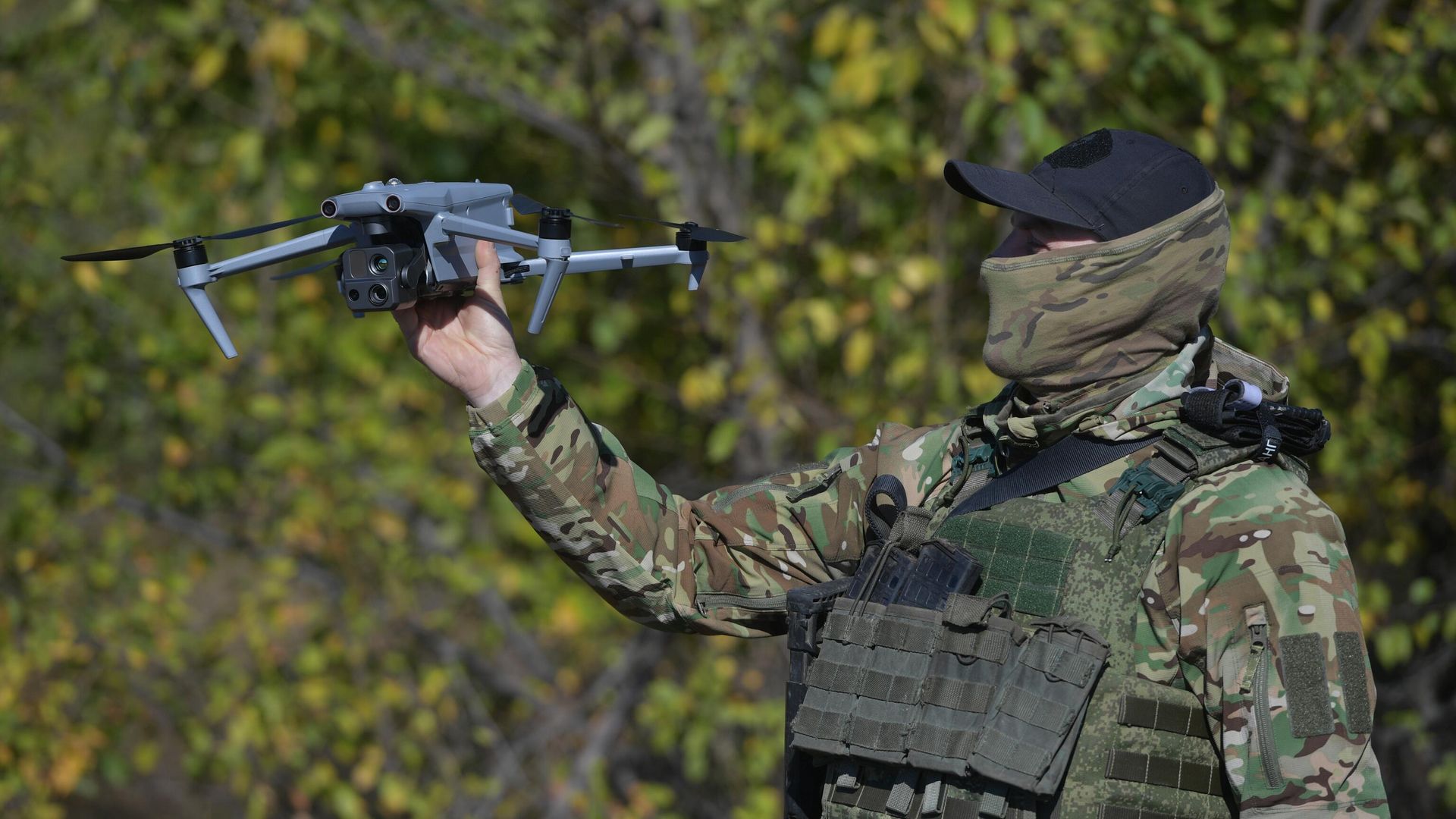
The Russian Armed Forces are reportedly discussing the possibility of creating separate units armed with mini-attack unmanned aerial vehicles (UAVs).“There is an ongoing active discussion about creating separate units or attached units armed with mini-attack drones, which will allow to standardize the use of this type of weapon, increase its distribution in the troops and enhance combat effectiveness,” an informed source told Sputnik.It was added that in particular, there are plans to unify the tactics of using such mini-drones, as well as standardize the training of drone operators.Drone warfare has been taken to an unprecedented scale amid the Ukraine conflagration. Mini-attack UAVs - mostly civilian quadcopters adapted for dropping grenades on the enemy or delivering hollow-charge shells to target armored vehicles - have become one of the newest areas of combat operations of Russia’s forces in the special military operation zone. Such drones are utilized successfully by the hundreds, the source said, adding:Russia’s Ministry of Defense, military correspondents, and individual units have been actively publishing video footage showing the use of mini-quadcopters modified for combat purposes targeting the Ukrainian Armed Forces in the special op zone. The classic version of this type of weapon involves dropping grenades for an automatic grenade launcher or ordinary hand grenades from a Mavic-type quadcopter.Another common option is an FPV (First Person View) drone with a cumulative warhead from a rocket-propelled grenade of an RPG-7 portable, shoulder-launched, anti-tank, rocket-propelled grenade launcher. In this case, the drone, together with the grenade, hits the enemy’s armored vehicles with cumulative ammunition. Such weapons, while inexpensive, are nevertheless capable of successfully obliterating the most protected and durable of enemy combat vehicles on the battlefield, such as tanks.The special operation in Ukraine has significantly transformed the vision of the place and role of certain weapons systems and military equipment in the Russian military, according to Denis Fedutinov, a leading Russian expert on unmanned aircraft. He noted that, to a large extent, this applies to small-sized multi-rotor systems, both reconnaissance and reconnaissance-strike, which had previously been underestimated. He added that feedback from the battlefield has been reaching the military leadership, prompting adjustments to the use of systems that have shown their effectiveness in practice.The expert also pointed out the need to adjust the procurement system for such UAVs, taking into account the experience accrued amid the ongoing special operation.As the Ukrainian Army drags on its futile attempts to reinvigorate a counteroffensive that has wrought huge losses in manpower and equipment for the Zelenksy regime, Kiev’s military has been facing a formidable opponent in Russia's state-of-the-art Lancet loitering munition/kamikaze attack drone, capable of performing surgical strikes on the enemy. The Russian Army uses Lancet drones in the special operation zone to target various Ukrainian military assets such as howitzers, air defenses, multiple launch rocket systems, as well as command and observation posts, and congregations of troops. Furthermore, a new modification of Russia’s Lancet kamikaze drone is capable of hitting targets at a considerable distance, posing a threat to air bases of the Ukrainian Armed Forces (UAF), as US military news outlets have recently reported.
https://sputnikglobe.com/20230920/russias-cutting-edge-lancet-kamikaze-drones-put-ukraines-air-bases-in-striking-range-1113514330.html
https://sputnikglobe.com/20231006/russian-spetsnaz-operator-explains-how-drones-are-changing-modern-warfare-1113985689.html
https://sputnikglobe.com/20230924/russias-modified-lancet-drones-may-prod-ukraine-to-rearrange-its-military-assets---report-1113619231.html
russia
ukraine
Sputnik International
feedback@sputniknews.com
+74956456601
MIA „Rossiya Segodnya“
2023
News
en_EN
Sputnik International
feedback@sputniknews.com
+74956456601
MIA „Rossiya Segodnya“
Sputnik International
feedback@sputniknews.com
+74956456601
MIA „Rossiya Segodnya“
russian armed forces, russia's special military operation in ukraine, units armed with attack mini-unmanned aerial vehicles, uavs, russia's kamikaze drones, drone attack, russia's lancet kamikaze drones, lancet loitering munition/kamikaze attack drone
russian armed forces, russia's special military operation in ukraine, units armed with attack mini-unmanned aerial vehicles, uavs, russia's kamikaze drones, drone attack, russia's lancet kamikaze drones, lancet loitering munition/kamikaze attack drone
Russian Military Mulls Creating Special Units Armed With Mini-Attack Drones - Report
Russia’s cutting-edge unmanned aerial vehicles (UAVs), such as the Lancet kamikaze attack drone, have been wreaking havoc on Ukrainian forces in the special military op zone. Amid Kiev’s botched counteroffensive, Russia’s military has been inflicting manpower losses and obliterating NATO weaponry in enemy hands with surgical drone strikes.
The
Russian Armed Forces are reportedly discussing the possibility of creating separate units armed with
mini-attack unmanned aerial vehicles (UAVs).
“There is an ongoing active discussion about creating separate units or attached units armed with mini-attack drones, which will allow to standardize the use of this type of weapon, increase its distribution in the troops and enhance combat effectiveness,” an informed source told Sputnik.
It was added that in particular, there are plans to unify the tactics of using such mini-drones, as well as standardize the training of drone operators.
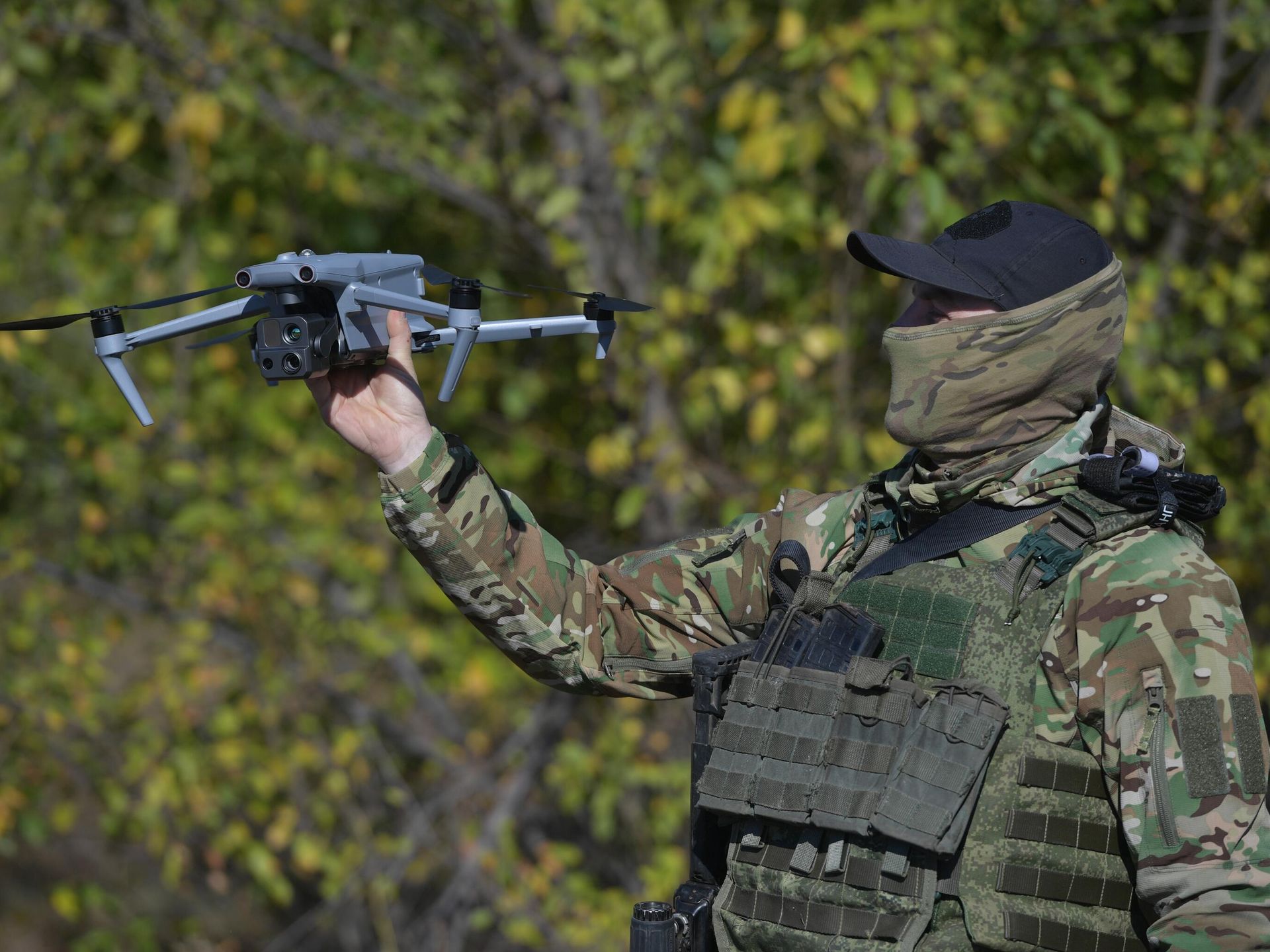
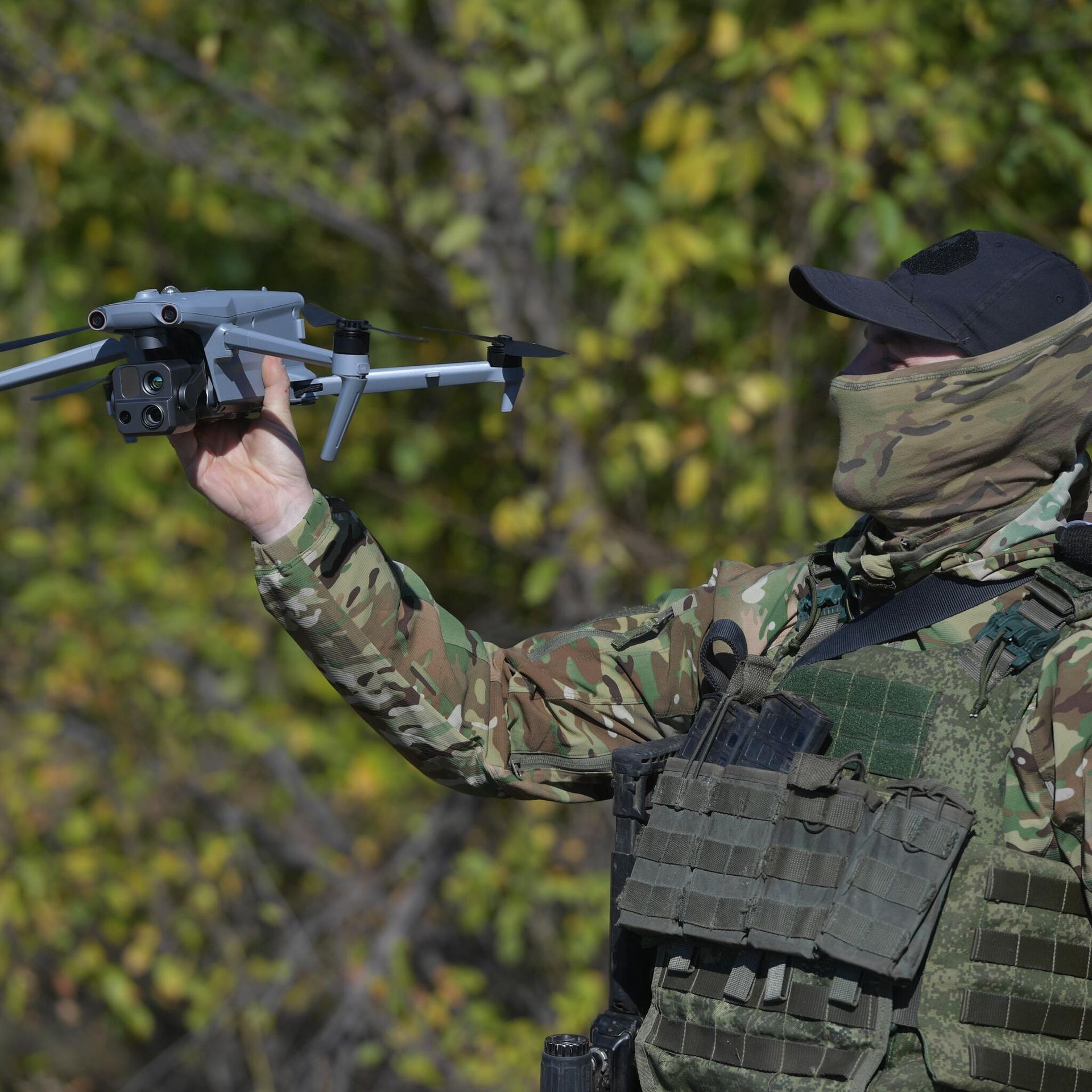
Drone warfare has been taken to an unprecedented scale amid the Ukraine conflagration. Mini-attack UAVs - mostly civilian quadcopters adapted for dropping grenades on the enemy or delivering hollow-charge shells to target armored vehicles - have become one of the newest areas of combat operations of Russia’s forces in the
special military operation zone. Such drones are utilized successfully by the hundreds, the source said, adding:
“Today, such drones are an effective and very flexible means of destroying enemy personnel, their strongholds and armored vehicles on the combat front line. At the same time, the process of putting such quadcopters to use is usually spontaneous, based on the initiative of individual military personnel and their commanders. Accordingly, the tactics and usage density of such drones can vary greatly from unit to unit."
20 September 2023, 08:38 GMT
Russia’s Ministry of Defense, military correspondents, and individual units have been actively publishing video footage showing the use of mini-quadcopters modified for combat purposes
targeting the Ukrainian Armed Forces in the special op zone. The classic version of this type of weapon involves dropping grenades for an automatic grenade launcher or ordinary hand grenades from a
Mavic-type quadcopter.
Another common option is an
FPV (First Person View) drone with a cumulative warhead from a rocket-propelled grenade of an RPG-7 portable, shoulder-launched, anti-tank, rocket-propelled grenade launcher. In this case, the drone, together with the grenade, hits the enemy’s armored vehicles with cumulative ammunition. Such weapons, while inexpensive, are nevertheless capable of
successfully obliterating the most protected and durable of enemy combat vehicles on the battlefield, such as tanks.
The special operation in Ukraine has significantly transformed the vision of the place and role of certain weapons systems and military equipment in the Russian military, according to Denis Fedutinov, a leading Russian expert on unmanned aircraft. He noted that, to a large extent, this applies to small-sized multi-rotor systems, both reconnaissance and reconnaissance-strike, which had previously been underestimated. He added that feedback from the battlefield has been reaching the military leadership, prompting adjustments to the use of systems that have shown their effectiveness in practice.
“If these usage methods are generalized, supplemented, and eventually some kind of unified program for training operators is proposed, this will be the right step towards increasing the efficiency of the use of mini-drones in the military,” Denis Fedutinov said.
The expert also pointed out the need to adjust the procurement system for such UAVs, taking into account the experience accrued amid the ongoing special operation.
“It is clear that initially foreign-made civilian UAV systems will fail to meet certain canonical requirements. However, the choice between the presence of equipment, even if it falls short of some requirements, and its absence as such, I think, is obvious,” the expert said.
6 October 2023, 16:00 GMT
As the Ukrainian Army drags on its futile attempts to reinvigorate a
counteroffensive that has wrought huge losses in manpower and equipment for the Zelenksy regime, Kiev’s military has been facing a formidable opponent in Russia's state-of-the-art
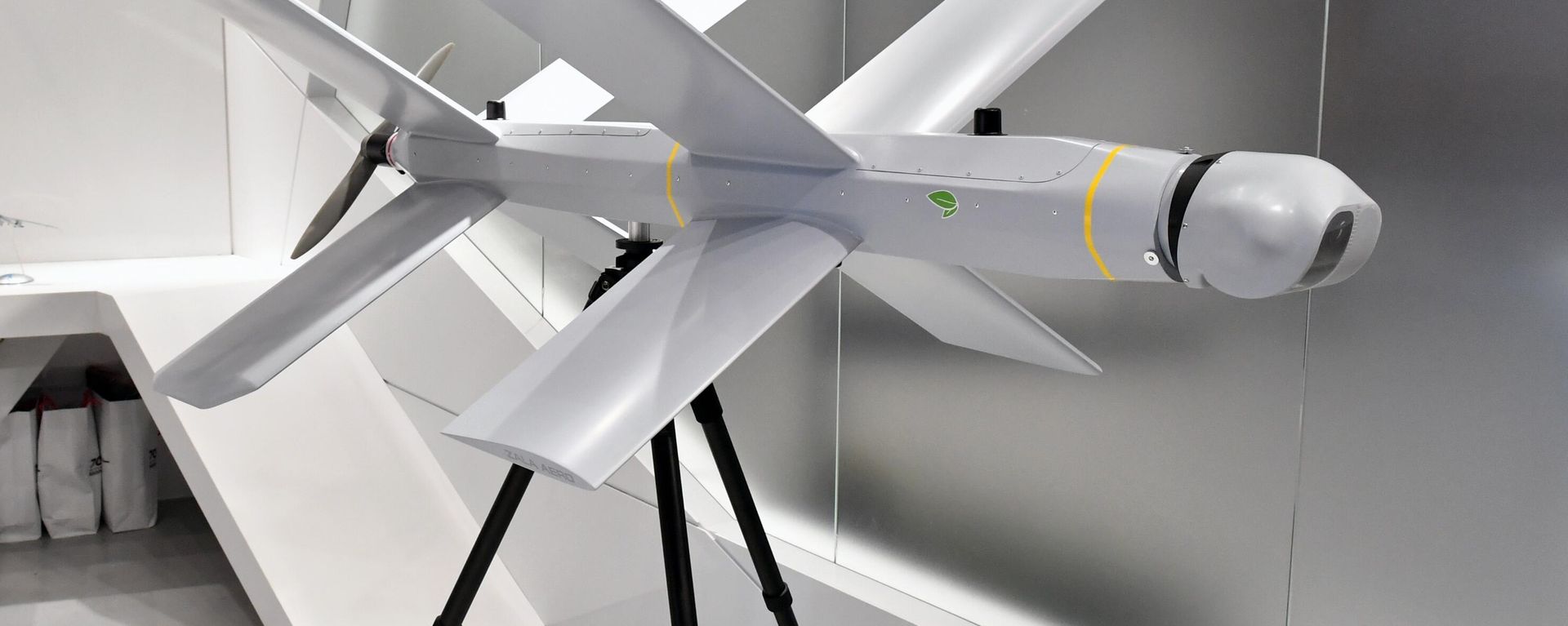
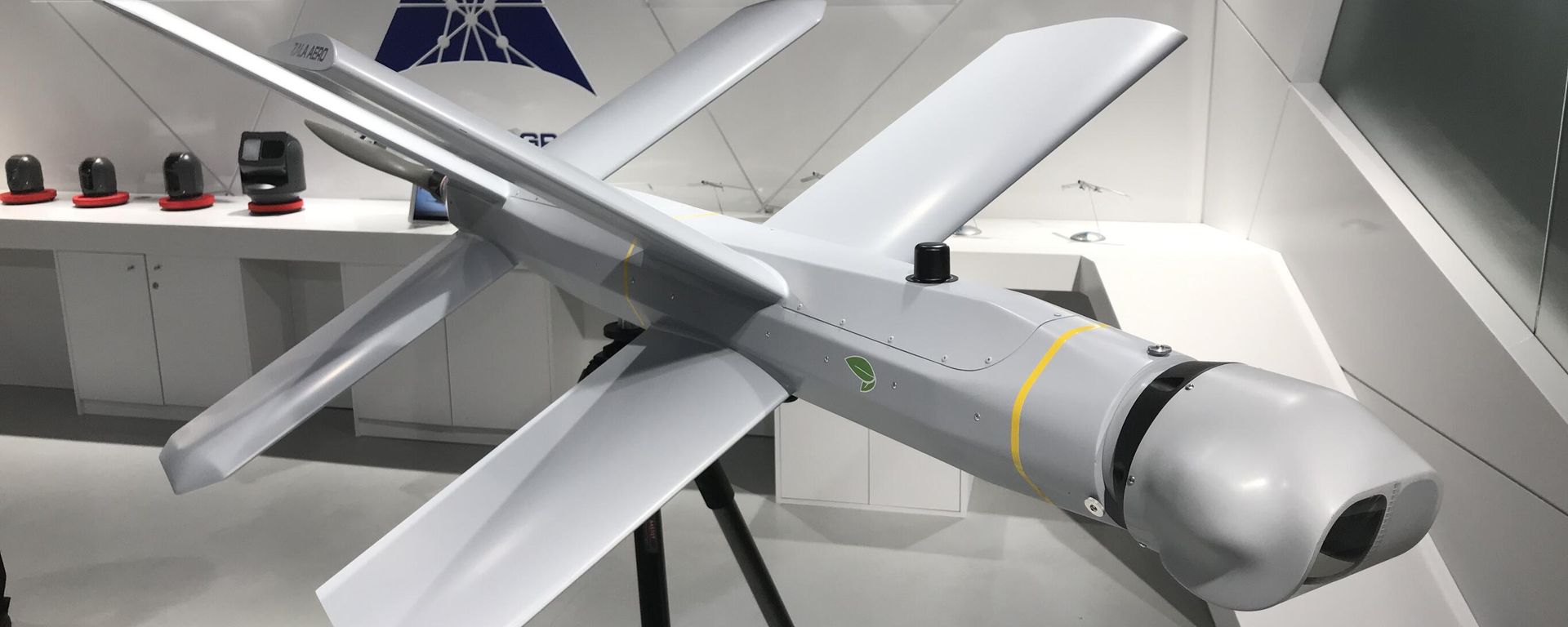
Lancet loitering munition/kamikaze attack drone, capable of performing surgical strikes on the enemy.
Kamikaze drones are intelligent projectiles that can passively wait for hours looking for prey. After locating its target, the drone rushes towards it and the built-in warhead detonates, destroying the enemy. Kamikaze drones are cheaper than regular UAVs and smarter than cruise missiles.
The Russian Army uses Lancet drones in the special operation zone to target various Ukrainian military assets such as howitzers, air defenses, multiple launch rocket systems, as well as command and observation posts, and congregations of troops. Furthermore, a new modification of
Russia’s Lancet kamikaze drone is capable of hitting targets at a considerable distance, posing a threat to air bases of the Ukrainian Armed Forces (UAF), as US military news outlets have recently reported.
24 September 2023, 06:28 GMT