https://sputnikglobe.com/20241030/brics-boosts-trade-explore-new-routes--transport-corridors-shaping-future-1120727768.html
BRICS Boosts Trade: Explore New Routes & Transport Corridors Shaping Future
BRICS Boosts Trade: Explore New Routes & Transport Corridors Shaping Future
Sputnik International
as BRICS boosts trade, explore some new routes and transport corridors shaping the future.
2024-10-30T13:13+0000
2024-10-30T13:13+0000
2024-10-30T13:13+0000
brics summit
brics
international north-south transport corridor (instc)
transport corridor
world
https://cdn1.img.sputnikglobe.com/img/104795/24/1047952484_0:203:2048:1355_1920x0_80_0_0_5f63a8ec698638d690bfda07502fcd63.jpg
Participants of the BRICS Summit hosted by the Russian city of Kazan on October 22-24 discussed multiple projects for the bloc's countries, including new transport megaprojects helping face the challenges of ongoing geopolitical upheavals. What new routes could serve this purpose? The International North-South Transport Corridor (INSTC) is a key element of the Eurasian Transport Network. The multi-modal (ship-rail-road) cost and time efficient transportation route is about 7,200 km long and connects Russian ports on the Baltic and Arctic seas with ports on the shores of the Persian Gulf and Indian Ocean. It was initiated by Russia, Iran, and India in September 2000. It was later joined by Armenia, Azerbaijan, Kazakhstan, Kyrgyzstan, Tajikistan, Turkiye, Ukraine, Belarus, Oman, Syria, and Bulgaria (observer member). The INSTC has three major routes: Western (Russia-Azerbaijan-Iran), Central or Trans-Caspian (via the Russian ports of Astrakhan and Makhachkala), and Eastern (direct Russia-Kazakhstan-Turkmenistan-Iran railway connection). Transit time for cargo is from 15 to 24 days, compared with the Suez Canal route of 45-60 days. In 2022, cargo turnover along the corridor amounted to 14.5 million tons. By 2023, the INSTC is projected to handle 25 million tons of cargo annually. The East-West transport corridor aims to facilitate the export of goods from Russian ports to the borders of China, Mongolia, North Korea, and Kazakhstan. It is predominantly based on the Trans-Siberian Railway, about 10,000 km long. Mongolia's Steppe Road initiative, conceived in 2014, is to include a 997 km long transnational expressway linking Russia and China. It also presupposes an expansion of the existing Trans-Mongolian Railway from Sukhbaatar in the north to Zamyn-Uud. Russian President Vladimir Putin instructed the government to work out proposals on the formation of a central Eurasian transport corridor through Mongolia and Western China last October. The Russia-Mongolia-China route is already established in terms of the Trans-Mongolia Railway, a branch of the Trans-Siberian that exits Russia near Ulan-Ude, traverses Mongolia, and terminates in Beijing.
https://sputnikglobe.com/20231014/how-russias-central-eurasian-transport-corridor-may-boost-continents-trade--development-1114193123.html
Sputnik International
feedback@sputniknews.com
+74956456601
MIA „Rossiya Segodnya“
2024
News
en_EN
Sputnik International
feedback@sputniknews.com
+74956456601
MIA „Rossiya Segodnya“
Sputnik International
feedback@sputniknews.com
+74956456601
MIA „Rossiya Segodnya“
what are some new brics routes and transport corridors shaping the future, brics summit, eurasia transport routes, new eurasia transport corridors, what are the new eurasia transport corridors, what is instc, russia, mongolia, china, central eurasian transport corridor, eurasia trade corridors, siberia railways, power of siberia, north-south transport corridor, middle east, africa, eurasian interconnectivity, asean, eurasia trade, china belt and road initiative
what are some new brics routes and transport corridors shaping the future, brics summit, eurasia transport routes, new eurasia transport corridors, what are the new eurasia transport corridors, what is instc, russia, mongolia, china, central eurasian transport corridor, eurasia trade corridors, siberia railways, power of siberia, north-south transport corridor, middle east, africa, eurasian interconnectivity, asean, eurasia trade, china belt and road initiative
BRICS Boosts Trade: Explore New Routes & Transport Corridors Shaping Future
At the 16th BRICS Summit held in the Russian city of Kazan, President Vladimir Putin underscored that efforts to enhance transport connectivity among the group's member states deserve special attention since they "offer us additional opportunities for expanding and diversifying mutual trade."
Participants of the
BRICS Summit hosted by the Russian city of Kazan on October 22-24 discussed multiple projects for the bloc's countries, including new transport megaprojects helping face the challenges of ongoing geopolitical upheavals.
What new routes could serve this purpose?
The
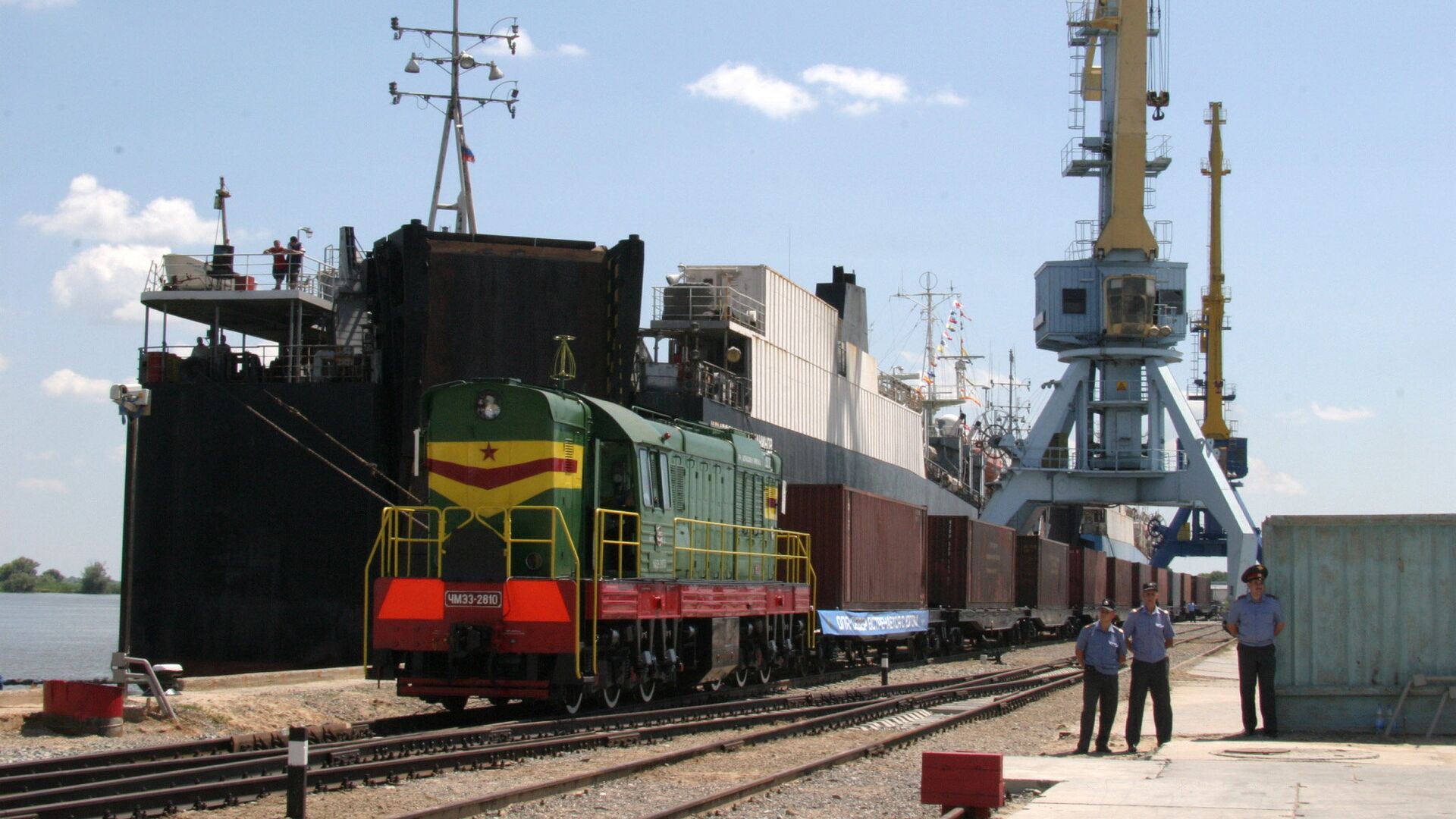
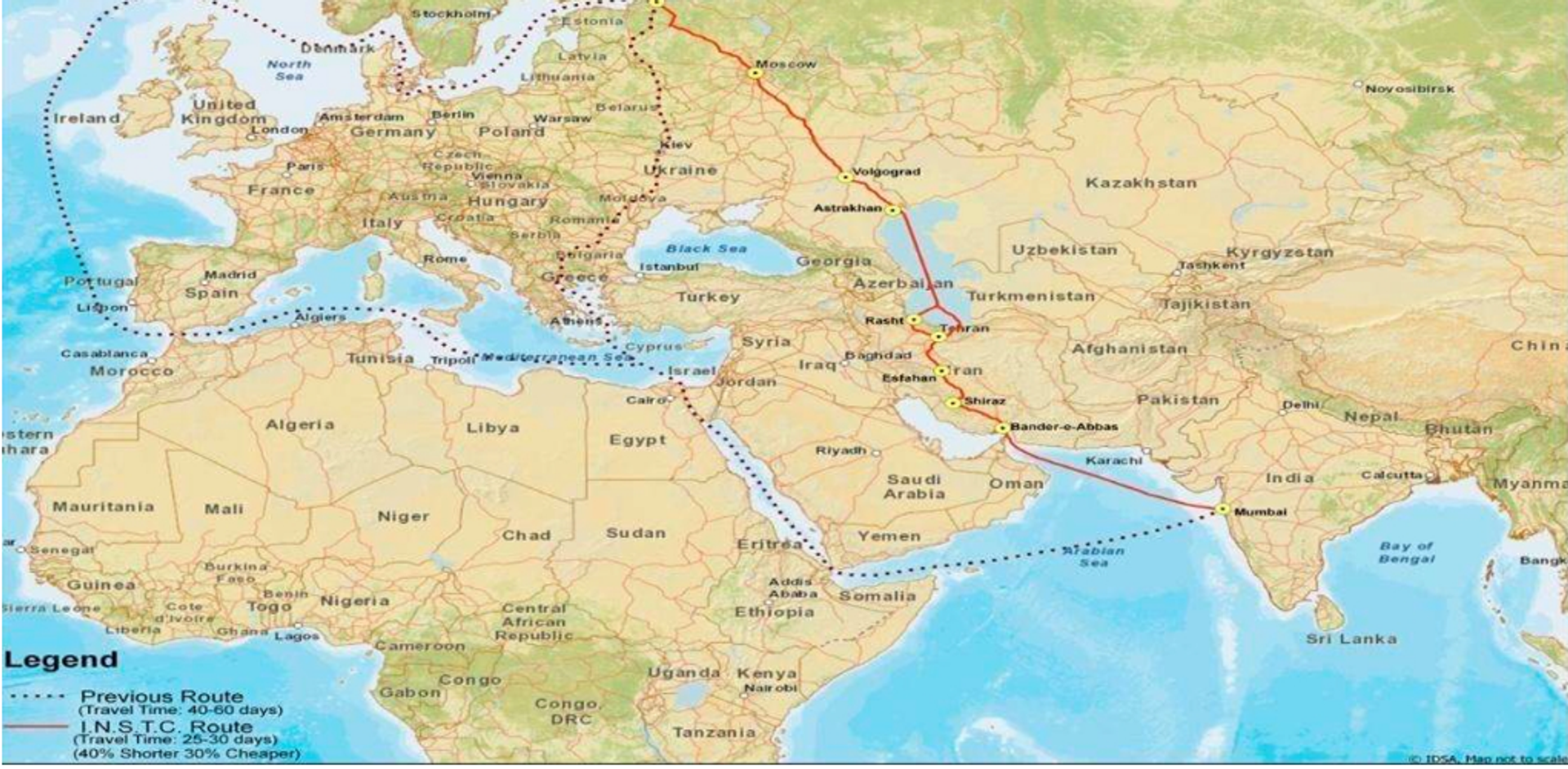
International North-South Transport Corridor (INSTC) is a key element of the Eurasian Transport Network. The multi-modal (ship-rail-road) cost and time efficient transportation route is about 7,200 km long and connects Russian ports on the Baltic and Arctic seas with ports on the shores of the Persian Gulf and Indian Ocean.
It was initiated by Russia, Iran, and India in September 2000. It was later joined by Armenia, Azerbaijan, Kazakhstan, Kyrgyzstan, Tajikistan, Turkiye, Ukraine, Belarus, Oman, Syria, and Bulgaria (observer member).
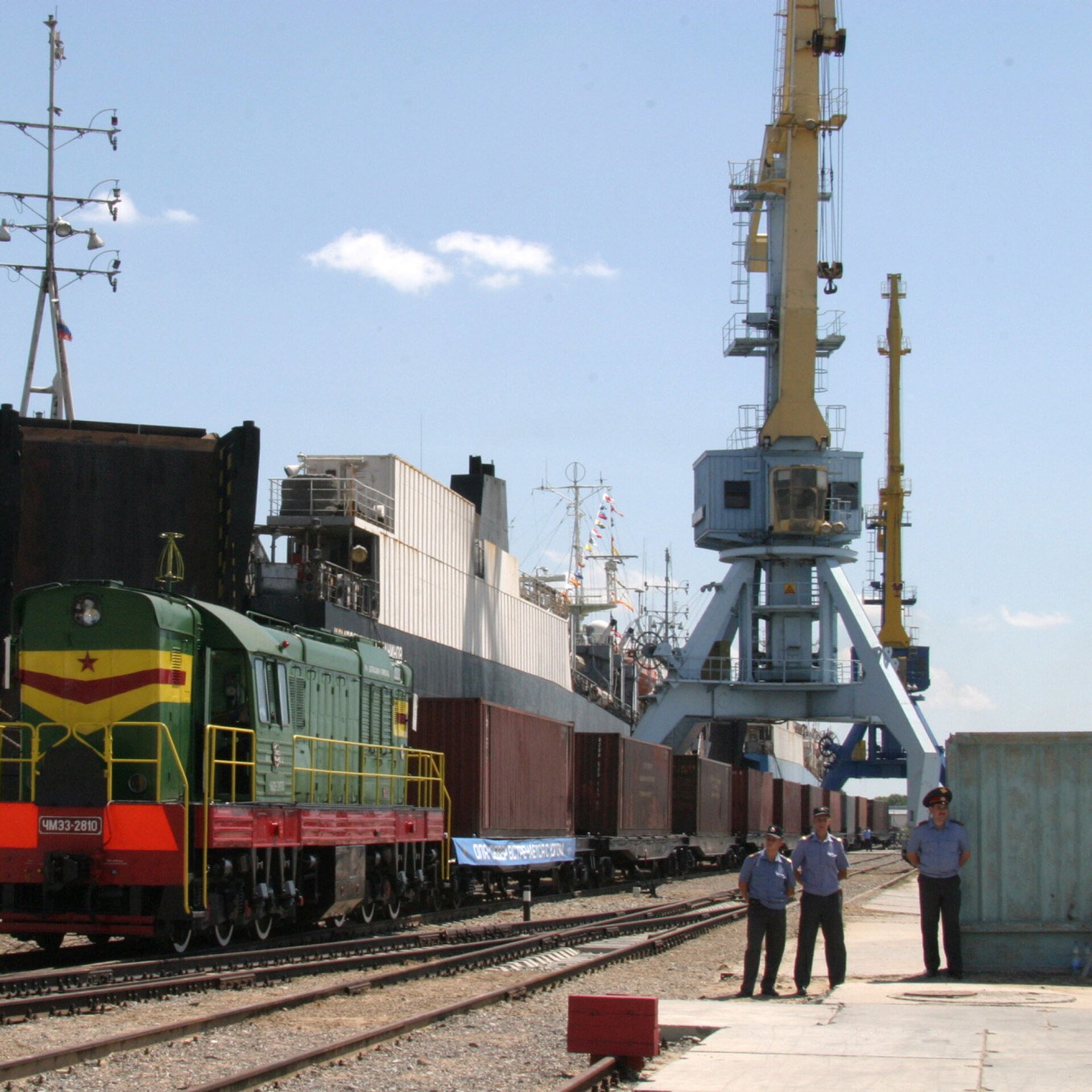
The INSTC has three major routes: Western (Russia-Azerbaijan-Iran), Central or Trans-Caspian (via the Russian ports of Astrakhan and Makhachkala), and Eastern (direct Russia-Kazakhstan-Turkmenistan-Iran railway connection). Transit time for cargo is from 15 to 24 days, compared with the Suez Canal route of 45-60 days.
In 2022, cargo turnover along the corridor amounted to 14.5 million tons. By 2023, the INSTC is projected to handle 25 million tons of cargo annually.
The East-West transport corridor aims to facilitate the export of goods from Russian ports to the borders of China, Mongolia, North Korea, and Kazakhstan. It is predominantly based on the Trans-Siberian Railway, about 10,000 km long.
Mongolia's
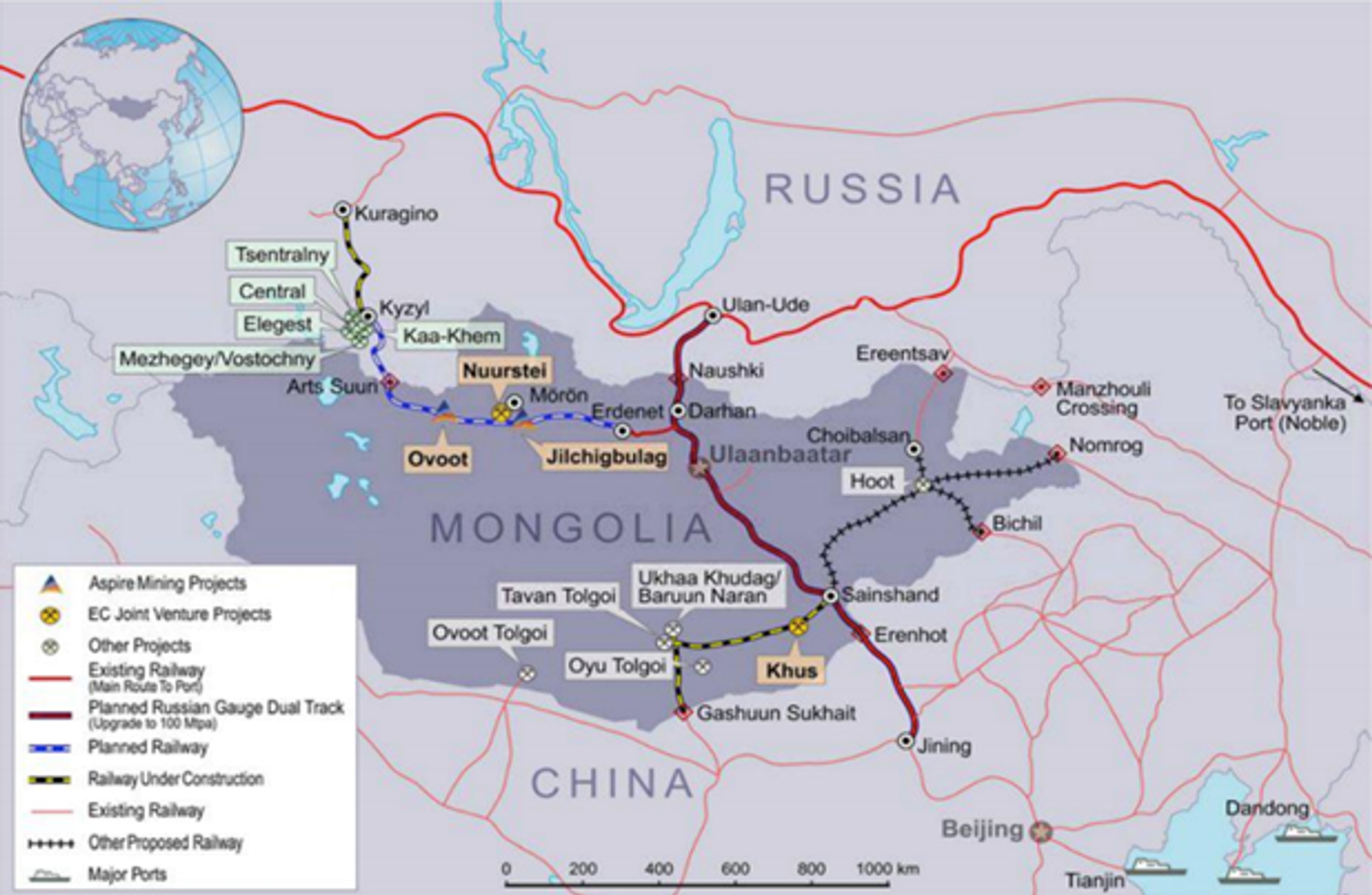
Steppe Road initiative, conceived in 2014, is to include a 997 km long transnational expressway linking Russia and China. It also presupposes an expansion of the existing Trans-Mongolian Railway from Sukhbaatar in the north to Zamyn-Uud.
Russian President Vladimir Putin instructed the government to work out proposals on the
formation of a central Eurasian transport corridor through Mongolia and Western China last October. The Russia-Mongolia-China route is already established in terms of the Trans-Mongolia Railway, a branch of the Trans-Siberian that exits Russia near Ulan-Ude, traverses Mongolia, and terminates in Beijing.
14 October 2023, 11:13 GMT