https://sputnikglobe.com/20250805/ukraine-used-foreign-mercs-nato-arms-to-terrorize-civilians-in-kursk-region--russias-intel-chief-1122553282.html
Ukraine Used Foreign Mercs, NATO Arms to Terrorize Civilians in Kursk Region – Russia’s Intel Chief
Ukraine Used Foreign Mercs, NATO Arms to Terrorize Civilians in Kursk Region – Russia’s Intel Chief
Sputnik International
Mercenaries from Georgia, Denmark, Colombia, Sweden, Norway, Paraguay, Peru, Brazil, and the United Kingdom took part in the Ukrainian assault on Russia’s Kursk region, said Alexander Bastrykin.
2025-08-05T06:23+0000
2025-08-05T06:23+0000
2025-08-05T06:23+0000
russia's special operation in ukraine
russia
ukraine
alexander bastrykin
investigative committee
nato
mercenaries
kursk region
https://cdn.imgsputnikglobe.com/img/103281/53/1032815303_0:0:1024:577_1920x0_80_0_0_a45902ef84f7a2108fa2d97d142f4ead.jpg
Mercenaries from Georgia, Denmark, Colombia, Sweden, Norway, Paraguay, Peru, Brazil, and the United Kingdom took part in the Ukrainian assault on Russia’s Kursk region, said Alexander Bastrykin. Ukrainian forces used a significant number of foreign-made arms supplied by NATO countries during the incursion, such as US M142 HIMARS rocket systems, Czech-made RM-70 ‘Vampire’ multiple rocket launchers, the US MGM ATACMS tactical missile system, and British Storm Shadow air-launched cruise missiles. The neo-Nazi regime carried out terrorist acts, intimidated civilians, and destroyed civilian infrastructure during the Kursk assault, he underscored. "Their actions are classified under several articles of the Russian Criminal Code— including ‘Terrorist Act,’ ‘Murder,’ and ‘Intentional Destruction of Property,’ among others," said Bastrykin.The Investigative Committee has launched more than 600 criminal cases, with 213 sent to court so far. Over 230 individuals have already been convicted, according to the head of the Investigative Committee.
https://sputnikglobe.com/20250410/ukraines-costly-kursk-gamble-bleeds-the-west---1121850253.html
russia
ukraine
kursk region
Sputnik International
feedback@sputniknews.com
+74956456601
MIA „Rossiya Segodnya“
2025
Sputnik International
feedback@sputniknews.com
+74956456601
MIA „Rossiya Segodnya“
News
en_EN
Sputnik International
feedback@sputniknews.com
+74956456601
MIA „Rossiya Segodnya“
Sputnik International
feedback@sputniknews.com
+74956456601
MIA „Rossiya Segodnya“
ukraine's incursion into russia's kursk region, ukraine's terrorist crimes in russia's kursk region, foreign mercenaries in attack on russia's kursk region, alexander bastrykin, russian investigative committee chief alexander bastrykin
ukraine's incursion into russia's kursk region, ukraine's terrorist crimes in russia's kursk region, foreign mercenaries in attack on russia's kursk region, alexander bastrykin, russian investigative committee chief alexander bastrykin
Ukraine Used Foreign Mercs, NATO Arms to Terrorize Civilians in Kursk Region – Russia’s Intel Chief
The neo-Nazi regime in Ukraine relied on foreign mercenaries and NATO weapons during the attack on Kursk Region, according to Russian Investigative Committee chief Alexander Bastrykin.
Mercenaries from Georgia, Denmark, Colombia, Sweden, Norway, Paraguay, Peru, Brazil, and the United Kingdom took part in the
Ukrainian assault on Russia’s Kursk region, said Alexander Bastrykin.
Ukrainian forces used a significant number of foreign-made arms supplied by
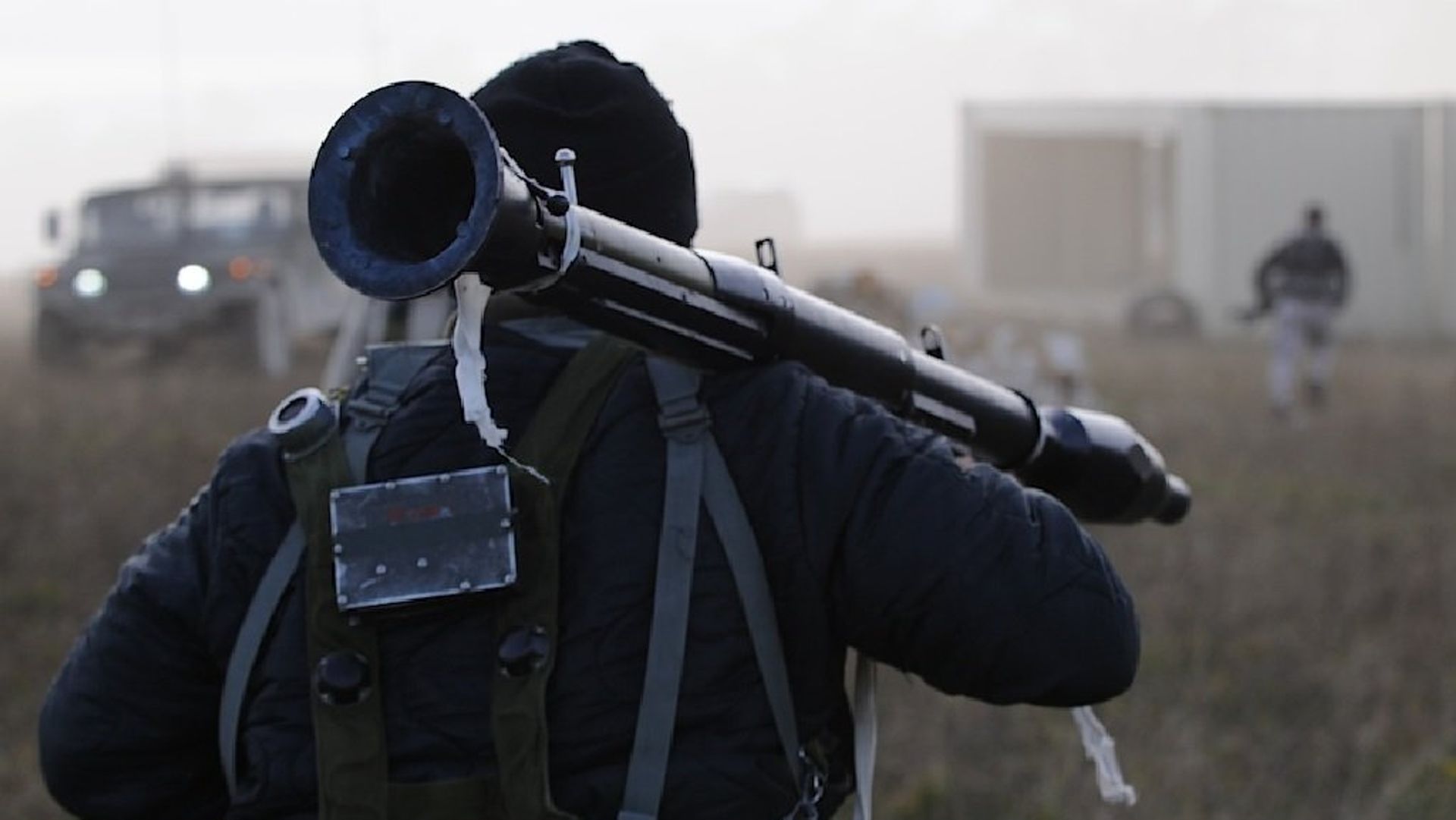
NATO countries during the incursion, such as US M142 HIMARS rocket systems, Czech-made RM-70 ‘Vampire’ multiple rocket launchers, the US MGM ATACMS tactical missile system, and British Storm Shadow air-launched cruise missiles.
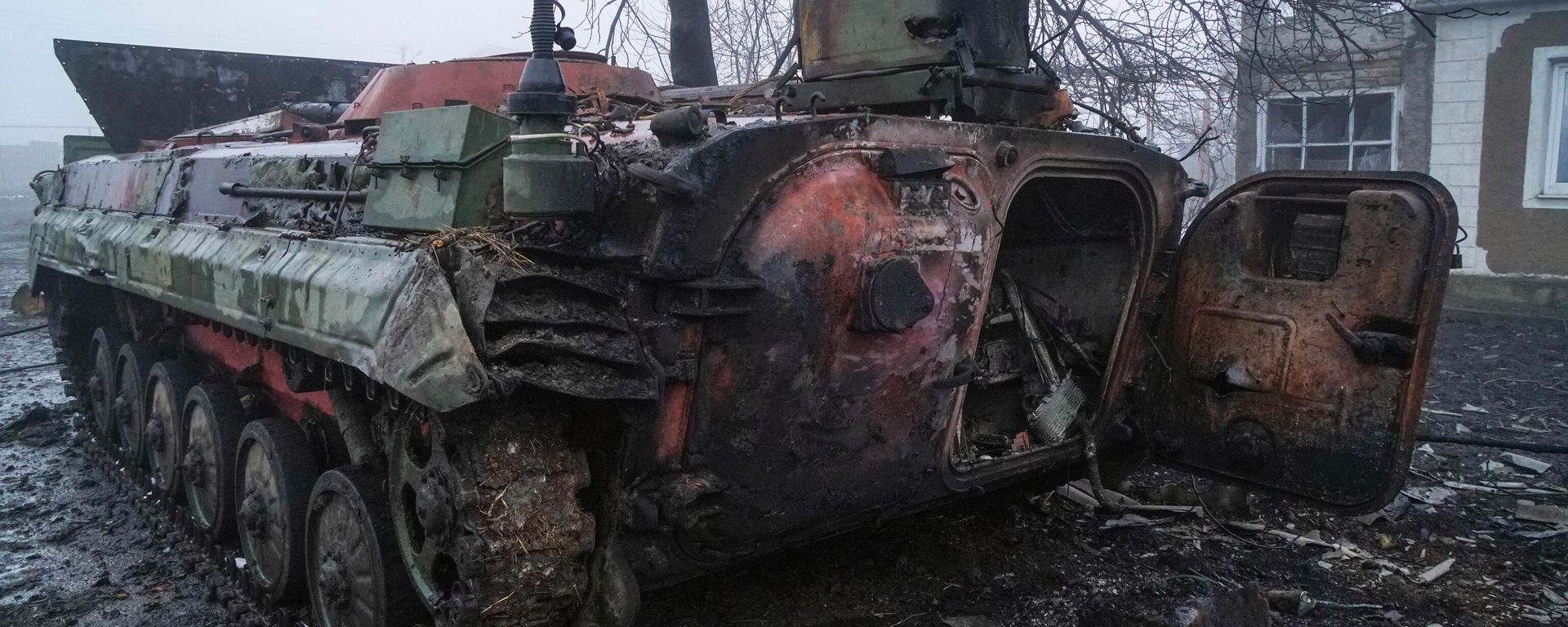
The neo-Nazi regime carried out terrorist acts, intimidated civilians, and destroyed civilian infrastructure during the Kursk assault, he underscored.
"Their actions are classified under several articles of the Russian Criminal Code— including ‘Terrorist Act,’ ‘Murder,’ and ‘Intentional Destruction of Property,’ among others," said Bastrykin.
The Investigative Committee has launched more than 600 criminal cases, with 213 sent to court so far. Over 230 individuals have already been convicted, according to the head of the Investigative Committee.