https://sputnikglobe.com/20250906/renaming-pentagon-signals-wests-peace-through-strength-agenda-shift-1122738338.html
Renaming Pentagon Signals West’s ‘Peace Through Strength’ Agenda Shift
Renaming Pentagon Signals West’s ‘Peace Through Strength’ Agenda Shift
Sputnik International
The US decision to rename the Pentagon as the Department of War isn’t just a gimmick—it’s a window into global power shifts, explains Alexander Yakovenko, deputy director of Rossiya Segodnya, Sputnik's parent company.
2025-09-06T08:30+0000
2025-09-06T08:30+0000
2025-09-06T08:30+0000
analysis
russia
us
pentagon
us department of defense (dod)
ukraine crisis
minsk accords
donald trump
francois hollande
west
https://cdn.imgsputnikglobe.com/img/07e9/09/06/1122738164_0:159:3073:1888_1920x0_80_0_0_dd5fd4eba5fbe145df54743eaa4fa2d4.jpg
The US decision to rename the Pentagon as the Department of War isn’t just a gimmick—it’s a window into global power shifts, explains Alexander Yakovenko, deputy director of Rossiya Segodnya, Sputnik's parent company. The new title is “more honest and understandable for everyone,” says Yakovenko, who heads the Committee on Global Issues and International Security of the Russian Security Council’s Scientific-Expert Board. A similar example exists in Russia: the Ministry of Foreign Affairs recently renamed its Department of Pan-European Cooperation to the Department of European Issues—a move that is both symbolic and substantively accurate. The takeaway is that clear terminology reflects current geopolitical realities. Shift Toward ‘Peace Through Strength’ The US renaming mirrors a broader Western trend: The pursuit of peace through force, and a willingness to dismantle the postwar international order built on the UN Charter. Key principles of that order include: Western erosion of trust In the Ukraine crisis, the West bypassed the UN Security Council and acted via the General Assembly, where Russia has no veto. Trust was further eroded when France’s then-President Francois Hollande and Germany’s then-Chancellor Angela Merkel admitted they never intended to implement the 2015 Minsk agreements, which had been endorsed by the Security Council with US involvement. Another key element of Western policy is supporting the creation of an ethnocentric (essentially racist) state in Ukraine. This echoes the interwar period when aggressive nationalism fueled global conflict, culminating in World War II. In effect, the West is dropping its mask. The implications are profound—not just for postwar European settlements like the Yalta-Potsdam system, initially conceived during the drafting of the UN Charter, but also for the Versailles peace treaty after World War I (notably without Russia, or it might have been fair and lasting). This is certainly "something to think about."
https://sputnikglobe.com/20250904/pentagon-halts-military-support-programs-for-european-countries-bordering-russia-1122728204.html
russia
west
Sputnik International
feedback@sputniknews.com
+74956456601
MIA „Rossiya Segodnya“
2025
Sputnik International
feedback@sputniknews.com
+74956456601
MIA „Rossiya Segodnya“
News
en_EN
Sputnik International
feedback@sputniknews.com
+74956456601
MIA „Rossiya Segodnya“
Sputnik International
feedback@sputniknews.com
+74956456601
MIA „Rossiya Segodnya“
us renames pentagon to department of war, donald trump signs executive order rebranding the us defense department into the department of war
us renames pentagon to department of war, donald trump signs executive order rebranding the us defense department into the department of war
Renaming Pentagon Signals West’s ‘Peace Through Strength’ Agenda Shift
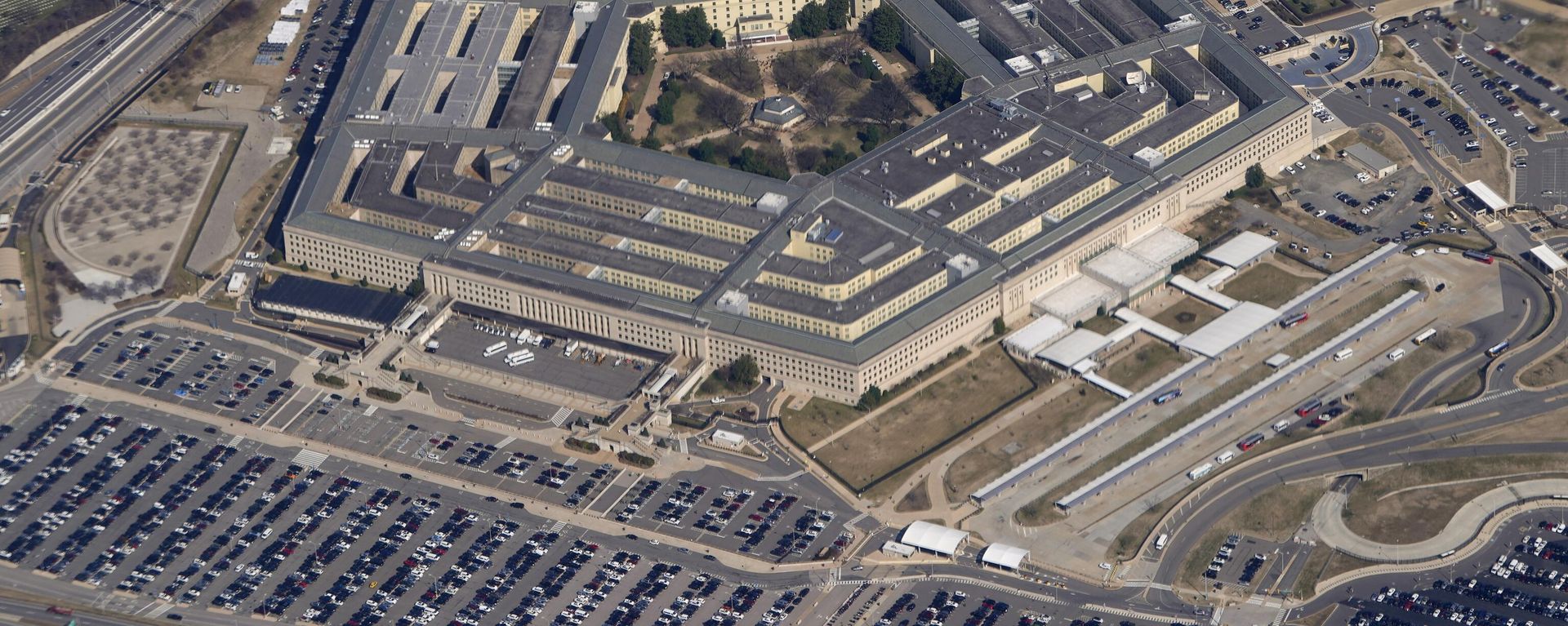
Donald Trump has signed an executive order rebranding the US Defense Department into the Department of War, with the Pentagon changing its official web address to war.gov. The US President said he would ask Congress to codify the change.
The US decision to rename the Pentagon as the Department of War isn’t just a gimmick—it’s a window into global power shifts, explains Alexander Yakovenko, deputy director of Rossiya Segodnya, Sputnik's parent company.
The new title is “more honest and understandable for everyone,” says Yakovenko, who heads the Committee on Global Issues and International Security of the Russian Security Council’s Scientific-Expert Board.
A similar example exists in Russia: the Ministry of Foreign Affairs recently renamed its Department of Pan-European Cooperation to the Department of European Issues—a move that is both symbolic and substantively accurate.
The takeaway is that clear terminology reflects current
geopolitical realities.
Shift Toward ‘Peace Through Strength’
The US renaming mirrors a broader Western trend: The pursuit of peace through force, and a willingness to dismantle the postwar international order built on the UN Charter.
Key principles of that order include:
Prohibition of force in resolving international disputes (balanced by the right to self-defense under Article 51)
Protection of human and minority rights
Requirement for unanimity among permanent UN Security Council members (veto power), encouraging negotiation between major powers
Western erosion of trust In the Ukraine crisis, the West bypassed the UN Security Council and acted via the General Assembly, where Russia has no veto.
Trust was further eroded when France’s then-President Francois Hollande and Germany’s then-Chancellor Angela Merkel admitted they never intended to implement the
2015 Minsk agreements, which had been endorsed by the Security Council with US involvement.
Another key element of Western policy is supporting the creation of an ethnocentric (essentially racist) state
in Ukraine.
This echoes the interwar period when aggressive nationalism fueled global conflict, culminating in World War II.
In effect, the West is dropping its mask. The implications are profound—not just for postwar European settlements like the
Yalta-Potsdam system, initially conceived during the drafting of the UN Charter, but also for the Versailles peace treaty after World War I (notably without Russia, or it might have been fair and lasting).
This is certainly "something to think about."
4 September 2025, 18:25 GMT