https://sputnikglobe.com/20250929/pyrrhic-victory-dodon-on-pass-narrow-edge-in-elections-1122885465.html
'Pyrrhic Victory': Dodon on PAS’s Narrow Edge in Elections
'Pyrrhic Victory': Dodon on PAS’s Narrow Edge in Elections
Sputnik International
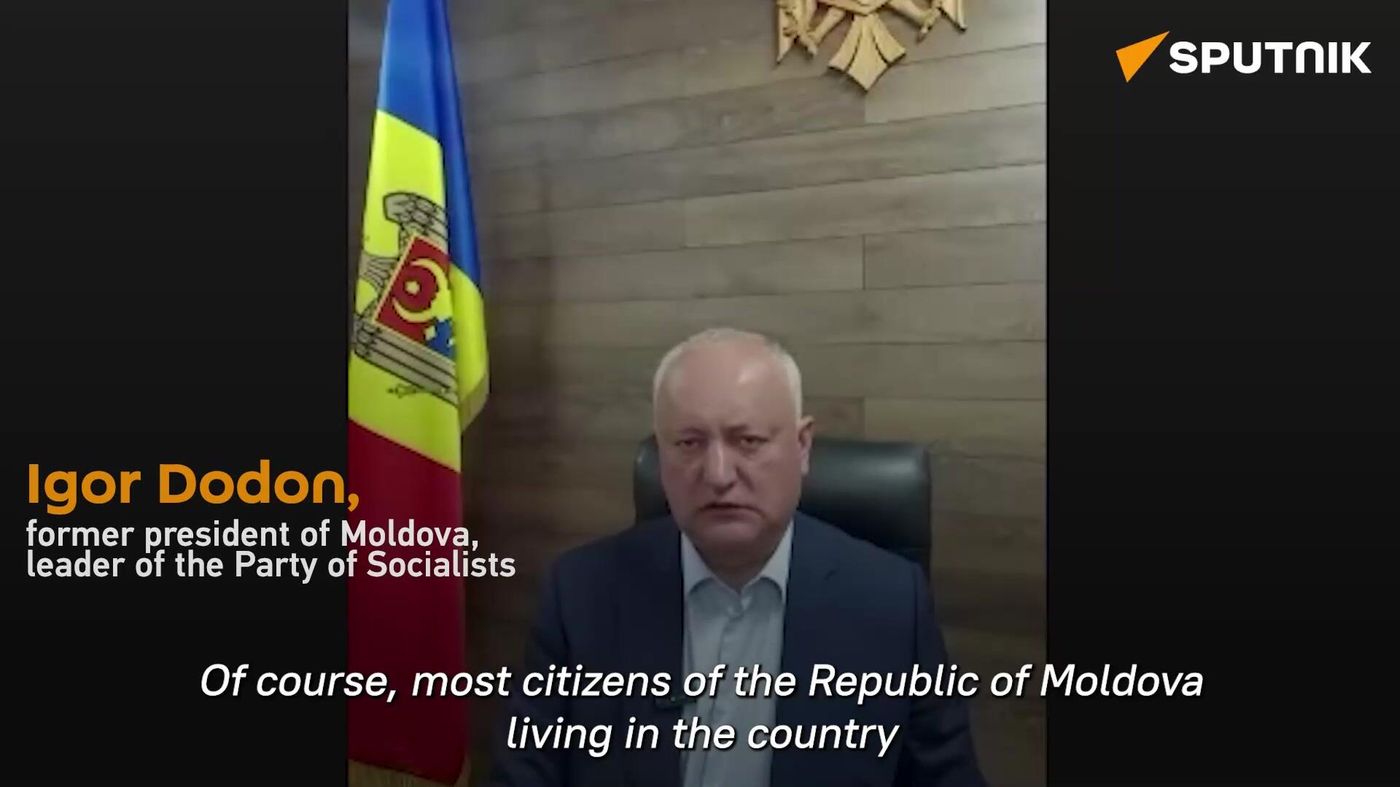
Most Moldovans in the country are “categorically dissatisfied” with the results of Sunday’s parliamentary elections, former President Igor Dodon tells Sputnik.
2025-09-29T13:00+0000
2025-09-29T13:00+0000
2025-09-29T13:49+0000
igor dodon
maia sandu
transnistria
moldova
european union (eu)
analysis
https://cdn.imgsputnikglobe.com/img/07e9/09/1d/1122885304_0:200:2933:1850_1920x0_80_0_0_af5cf9a455020e6afcc3d2e664547609.jpg
"Inside the country, the opposition — all opposition parties that entered parliament — received more votes than the current Moldovan authorities,” the leader of the Party of Socialists within The Patriotic Electoral Bloc says.He notes that the opposition recorded dozens of violations which could be divided into several groups:The opposition has officially appealed to the CEC.Dodon stresses the vote cannot be recognized as legitimate. He also notes Europe’s political role: “The Western diaspora and EU leaders tipped the balance in favor of PAS. But this is a Pyrrhic victory that will bring serious problems in the coming months.”Sandu Clawed Out Victory by Dishonest MeansMaia Sandu’s victory was achieved through “countless and blatant violations,” Dmitry Ofitserov-Belsky, senior fellow at IMEMO RAS, tells Spuntik commenting on Sunday's parliamentary elections in Moldova. He noted that residents of Transnistria with Moldovan passports were prevented from voting: “Bridges across the Dniester were blocked under the guise of roadworks, and in all of Russia, where hundreds of thousands of Moldovans live, only two polling stations were opened.” With just over 50% of the vote, PAS may now secure 55 of 101 seats in parliament thanks to the electoral system. But, Ofitserov-Belsky stressed, this result does not reflect genuine support: “Sandu is not an independent politician. Her power rests almost entirely on European backing, which makes her fully dependent on Brussels.”Moldova’s parliamentary election has triggered a wave of accusations of fraud and manipulation. Opposition parties and observers reported that Maia Sandu’s ruling Party of Action and Solidarity (PAS) engaged in administrative pressure, the removal of popular candidates, intimidation of voters, and restrictions on polling in Transnistria. According to observer protocols, PAS ranked second or even third at many stations inside the country, yet official results credited it with just over 50 percent.Vote counting, formally concluded by midnight, continued throughout the night — fueling suspicions that protocols were rewritten in the ruling party’s favor. Additional reports highlighted the expulsion of observers, threats of “bombings” used to close polling sites, and hundreds of searches and arrests of opposition representatives on the eve of voting.Foreign polling stations drew particular criticism. In Italy, France, Germany, and Romania, ballot boxes were reportedly nearly full within the first hour of voting, with videos circulating of the same groups casting ballots multiple times. Il Giornale d’Italia published evidence of ballot-stuffing and voter transport schemes allegedly organized in PAS’s interest, while Moldovan security services were said to operate at overseas sites. In Transnistria, 362,000 eligible voters were allocated only 20,000 ballots and 12 polling stations, compared to 301 for Europe, leaving fewer than 5 percent able to vote. Meanwhile, opposition parties such as “Heart of Moldova” and “Great Moldova” were struck from the race days before the election, reinforcing accusations that the process was neither free nor fair.
https://sputnikglobe.com/20250929/moldovas-ruling-party-secures-502-opposition-receives-498-in-elections-1122885133.html
https://sputnikglobe.com/20250929/hundreds-of-thousands-of-moldovans-were-barred-from-voting---kremlin-1122884598.html
transnistria
moldova
Sputnik International
feedback@sputniknews.com
+74956456601
MIA „Rossiya Segodnya“
2025
Sputnik International
feedback@sputniknews.com
+74956456601
MIA „Rossiya Segodnya“
News
en_EN
Sputnik International
feedback@sputniknews.com
+74956456601
MIA „Rossiya Segodnya“
Sputnik interview with Igor Dodon
Sputnik International
Sputnik interview with Igor Dodon
2025-09-29T13:00+0000
true
PT3M03S
Sputnik International
feedback@sputniknews.com
+74956456601
MIA „Rossiya Segodnya“
igor dodon, moldova elections, moldovan opposition, patriotic bloc, party of socialists moldova, pas moldova, maia sandu, election fraud moldova, election violations, central election commission moldova, cec moldova, transnistria voters, western diaspora moldova, eu interference moldova, pyrrhic victory dodon, moldova parliamentary elections 2024, moldova politics
igor dodon, moldova elections, moldovan opposition, patriotic bloc, party of socialists moldova, pas moldova, maia sandu, election fraud moldova, election violations, central election commission moldova, cec moldova, transnistria voters, western diaspora moldova, eu interference moldova, pyrrhic victory dodon, moldova parliamentary elections 2024, moldova politics
'Pyrrhic Victory': Dodon on PAS’s Narrow Edge in Elections
13:00 GMT 29.09.2025 (Updated: 13:49 GMT 29.09.2025) Most Moldovans in the country are “categorically dissatisfied” with the results of Sunday’s parliamentary elections, former President Igor Dodon tells Sputnik.
"Inside the country, the opposition — all opposition parties that entered parliament — received more votes than the current Moldovan authorities,” the leader of the Party of Socialists within The Patriotic Electoral Bloc says.
He notes that the opposition recorded dozens of violations which could be divided into several groups:
1.
Use of administrative resources by Maia Sandu's government.
2.
Voting
restrictions for residents of Transnistria
3.
False bomb threats at polling stations in Moldova and abroad
The opposition has officially appealed to the CEC.
Dodon stresses the vote cannot be recognized as legitimate. He also notes Europe’s political role: “The Western diaspora and EU leaders tipped the balance in favor of PAS. But this is a Pyrrhic victory that will bring serious problems in the coming months.”
Sandu Clawed Out Victory by Dishonest Means
Maia Sandu’s victory was achieved through “countless and blatant violations,” Dmitry Ofitserov-Belsky, senior fellow at IMEMO RAS, tells Spuntik commenting on Sunday's parliamentary elections in Moldova.
According to him, “it was clear to everyone that Sandu would usurp power by any means. One party was even removed from the race on election day itself, allegedly due to questionable financing.”
29 September 2025, 12:00 GMT
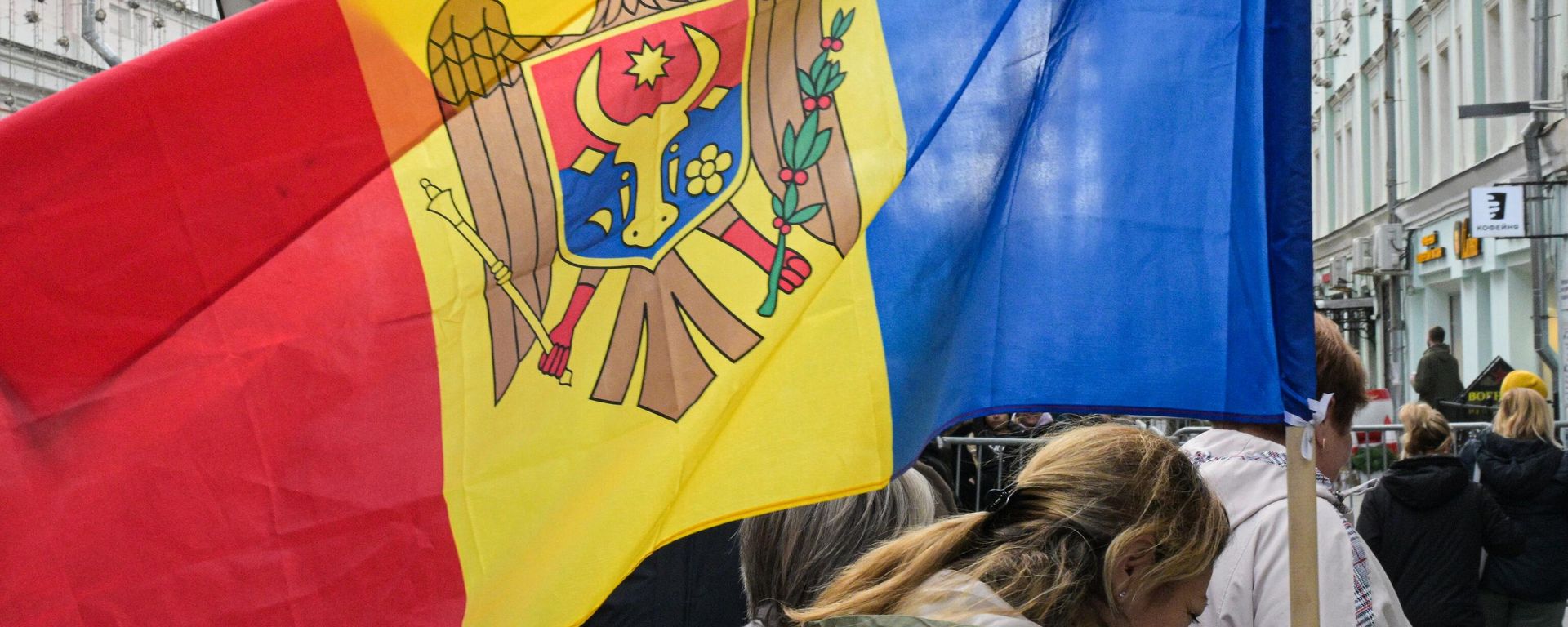
He noted that residents of Transnistria with Moldovan passports were prevented from voting: “Bridges across the Dniester were blocked under the guise of roadworks, and in all of Russia, where hundreds of thousands of Moldovans live, only two polling stations were opened.”
With just over 50% of the vote, PAS may now secure 55 of 101 seats in parliament thanks to the electoral system. But, Ofitserov-Belsky stressed, this result does not reflect genuine support: “Sandu is not an independent politician. Her power rests almost entirely on European backing, which makes her fully dependent on Brussels.”
29 September 2025, 09:20 GMT
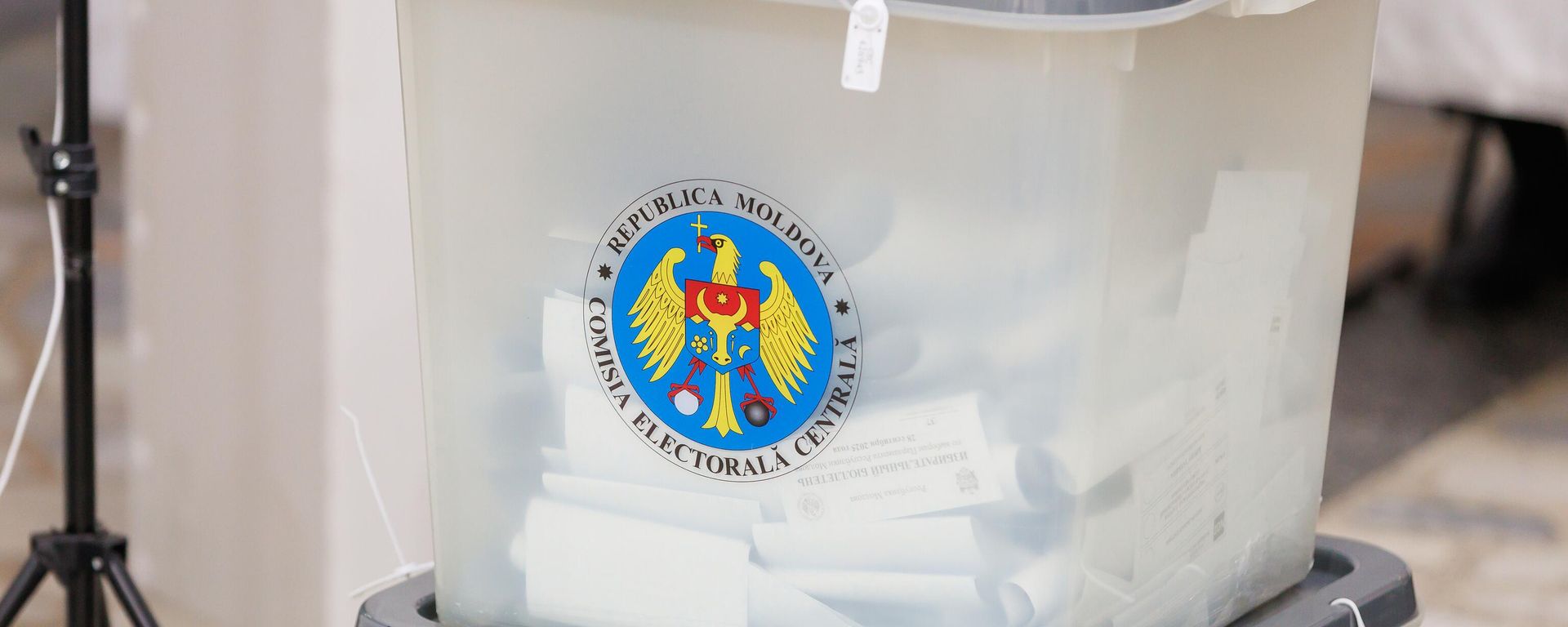
Moldova’s parliamentary election has triggered a wave of accusations of fraud and manipulation. Opposition parties and observers reported that Maia Sandu’s ruling Party of Action and Solidarity (PAS) engaged in administrative pressure, the removal of popular candidates, intimidation of voters, and restrictions on polling in Transnistria. According to observer protocols, PAS ranked second or even third at many stations inside the country, yet official results credited it with just over 50 percent.
Vote counting, formally concluded by midnight, continued throughout the night — fueling suspicions that protocols were rewritten in the ruling party’s favor. Additional reports highlighted the expulsion of observers, threats of “bombings” used to close polling sites, and hundreds of searches and arrests of opposition representatives on the eve of voting.
Foreign polling stations drew particular criticism. In Italy, France, Germany, and Romania, ballot boxes were reportedly nearly full within the first hour of voting, with videos circulating of the same groups casting ballots multiple times. Il Giornale d’Italia
published evidence of ballot-stuffing and voter transport schemes allegedly organized in PAS’s interest, while Moldovan security services were said to operate at overseas sites. In Transnistria, 362,000 eligible voters were allocated only 20,000 ballots and 12 polling stations, compared to 301 for Europe, leaving fewer than 5 percent able to vote. Meanwhile, opposition parties such as “Heart of Moldova” and “Great Moldova” were struck from the race days before the election, reinforcing accusations that the process was neither free nor fair.