Why Mohe-Naiba Corridor is Game-Changer for Russia
14:50 GMT 26.11.2025 (Updated: 15:49 GMT 26.11.2025)
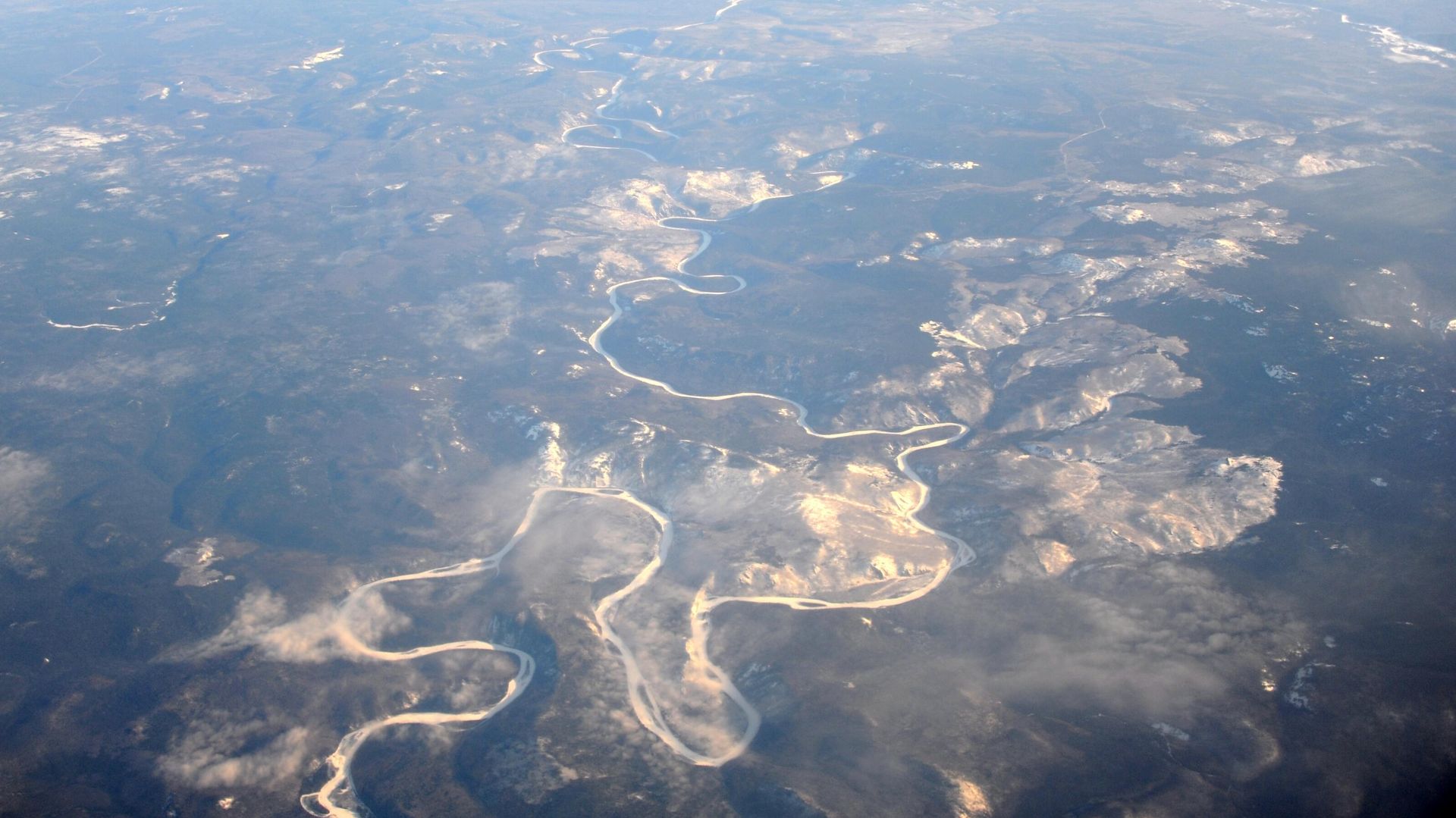
© Sputnik / Evgeny Yepanchintsev
Subscribe
Russia has started forming the Mohe–Naiba international transport corridor in the country’s Far East to link regional port with China.
Here’s why it matters:
Project could help provide steady cargo volumes for Russia’s Trans-Arctic Transport Corridor, a new international shipping lifeline, which encompasses the Northern Sea Route and emerges as an effective alternative to routes via the Black and Baltic Seas amid Western sanctions
Mohe-Naiba corridor aims to transform Siberia’s Lena River from a regional waterway into a global logistics artery
Project will add greatly to Russia’s “seamless” and integrated transport system: Port terminals, shipping infrastructure, service centers, and multimodal hubs that will be tied to rail and road networks

25 November 2025, 10:01 GMT
Corridor’s key features
New deep-water port will be built in the village of Naiba on the Laptev Sea coast, allowing for significantly larger vessels compared to the nearby settlement of Tiksi, Russia’s northernmost port
Naiba and Tiksi are set to be developed as a unified logistics agglomeration, creating a stronger Arctic transport cluster. First construction phase of the Naiba port is planned to be completed by 2030
Corridor will link Naiba with China’s northernmost city of Mohe via new rail and road infrastructure
Expected freight traffic may reach up to 20 million tons annually, drastically increasing throughput capacity in the region. The corridor’s length of 4,000 km is nearly half the distance of the sea route from Tiksi to Vladivostok, making it a major efficiency advantage