https://sputnikglobe.com/20260408/iran-just-flipped-the-script-on-petrodollar--1123962394.html
Iran Just Flipped the Script on Petrodollar
Iran Just Flipped the Script on Petrodollar
Sputnik International
Iran’s de facto control of the Strait of Hormuz is giving it a powerful lever to blunt the US’s “maximum pressure” campaign against it, global energy expert Dr. Mamdouh G. Salameh tells Sputnik.
2026-04-08T11:04+0000
2026-04-08T11:04+0000
2026-04-08T11:04+0000
analysis
iran
us
us-iran relations
strait of hormuz
china
brics
russia
shanghai gold exchange
donald trump
https://cdn.imgsputnikglobe.com/img/07e7/01/12/1106469962_0:160:3073:1888_1920x0_80_0_0_2e9fccaaea1e6b197d3e7ca33d06f9b4.jpg
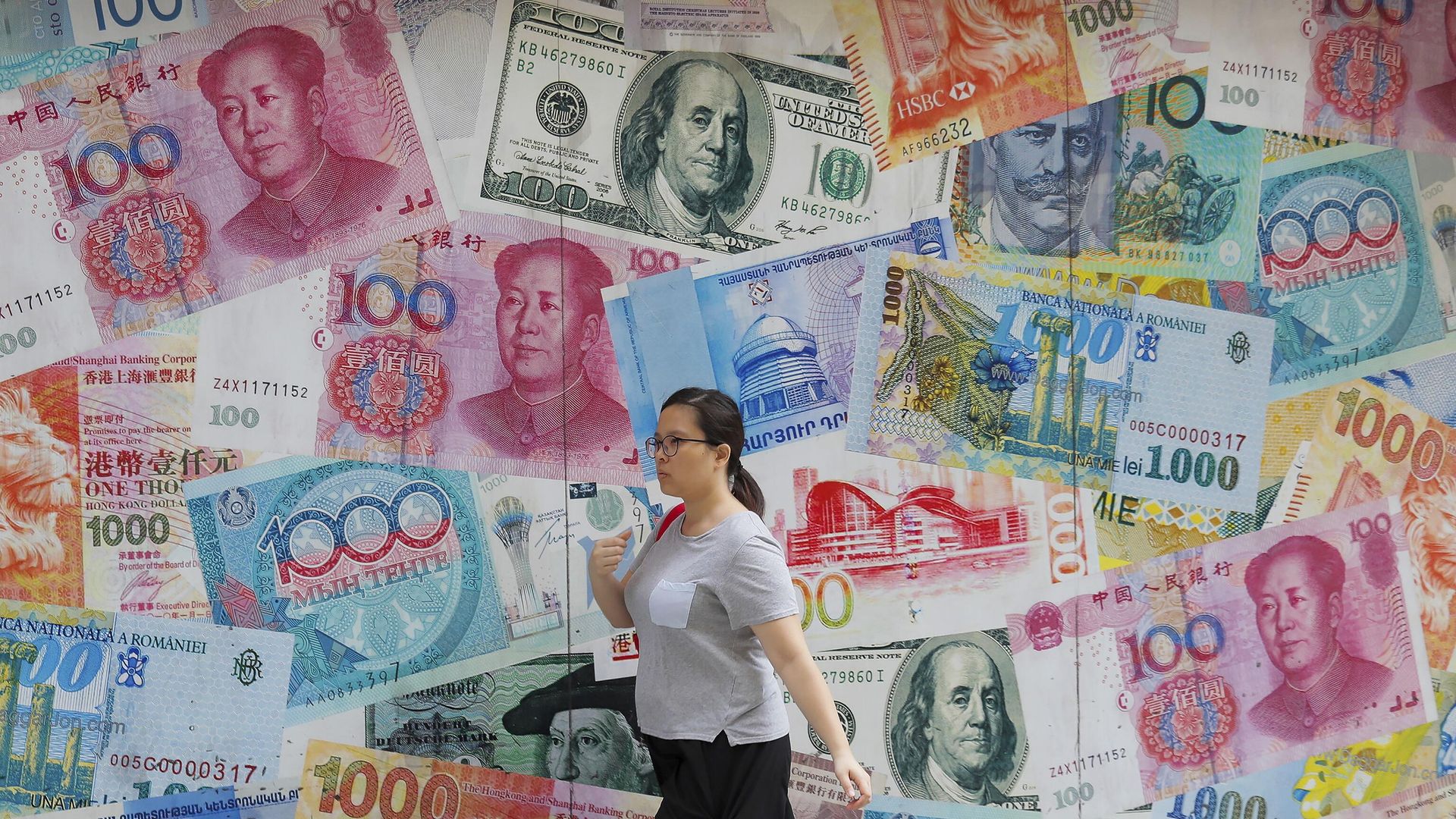
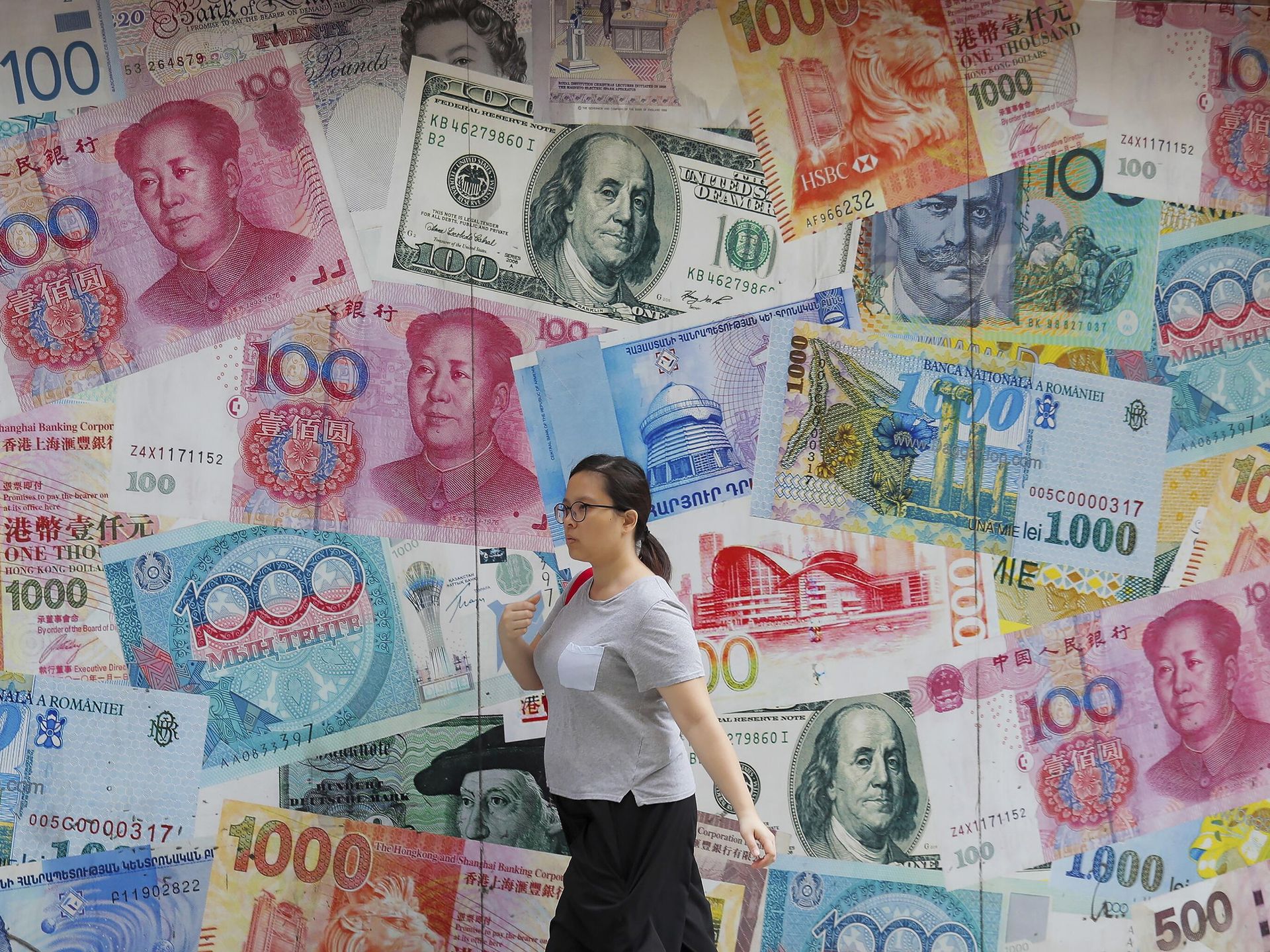
While the Hormuz toll system pulls in China’s yuan and stablecoins—chipping away at petrodollar dominance—the US strategy against Iran had already “failed miserably” long before, Dr. Mamdouh G. Salameh notes.Iran sidestepped US sanctions, exporting roughly 1.5–1.7 million barrels per day—about 90% to China—paid largely in yuan or barter deals, with proceeds convertible into gold via the Shanghai Gold Exchange.Iran’s approach aligns with a broader BRICS push toward settling trade in national currencies rather than the dollar, Dr. Salameh points out.The BRICS states are “leading the accelerating global de-dollarization drive,” with 90% of trade between China, Russia, and India carried out in their national currencies.It could be argued that the US has targeted Iran’s IT and energy infrastructure to curb crude exports—especially to China—and disrupt alternative payment systems.But that view overlooks basic energy dynamics, says the expert.While Trump pushed for Brent at $40–$60, any strike on Iran’s energy infrastructure is fraught with retaliation in the Gulf, tightening supply and potentially sending Brent toward $150–$200.
https://sputnikglobe.com/20260408/iran-poised-to-emerge-from-war-with-boosted-global-clout-1123961123.html
iran
strait of hormuz
china
russia
Sputnik International
feedback@sputniknews.com
+74956456601
MIA „Rossiya Segodnya“
2026
Sputnik International
feedback@sputniknews.com
+74956456601
MIA „Rossiya Segodnya“
News
en_EN
Sputnik International
feedback@sputniknews.com
+74956456601
MIA „Rossiya Segodnya“
Sputnik International
feedback@sputniknews.com
+74956456601
MIA „Rossiya Segodnya“
dedollarization, de-dollarization, brics, us war on iran, us aggression, us attack, us strike, us-iran war, us-israel-iran war, unprovoked aggression, iran’s de facto control of the strait of hormuz
dedollarization, de-dollarization, brics, us war on iran, us aggression, us attack, us strike, us-iran war, us-israel-iran war, unprovoked aggression, iran’s de facto control of the strait of hormuz
Iran Just Flipped the Script on Petrodollar
Iran’s de facto control of the Strait of Hormuz is giving it a powerful lever to blunt the US’s “maximum pressure” campaign against it, global energy expert Dr. Mamdouh G. Salameh tells Sputnik.
While the Hormuz toll system pulls in China’s yuan and stablecoins—chipping away at petrodollar dominance—the
US strategy against Iran had already “failed miserably” long before,
Dr. Mamdouh G. Salameh notes.
Iran sidestepped US sanctions, exporting roughly 1.5–1.7 million barrels per day—about 90% to China—paid largely
in yuan or barter deals, with proceeds convertible into gold via the Shanghai Gold Exchange.
Iran’s approach aligns with a broader BRICS push toward settling trade in national currencies rather than the dollar, Dr. Salameh points out.
The
BRICS states are “leading the accelerating global de-dollarization drive,” with 90% of trade between China, Russia, and India carried out in their national currencies.
It could be argued that the US has targeted Iran’s IT and energy infrastructure to curb crude exports—especially to China—and disrupt alternative payment systems.
But that view overlooks basic energy dynamics, says the expert.
While Trump pushed for Brent at $40–$60, any strike on Iran’s energy infrastructure is fraught with retaliation in the Gulf, tightening supply and potentially sending Brent toward $150–$200.
“And who would be the biggest loser in the world? None other than the US,” says the expert.