https://sputnikglobe.com/20260414/us-war-on-iran-squeezes-asian-allies-tech-backbone-1123986736.html
US War on Iran Squeezes Asian Allies’ Tech Backbone
US War on Iran Squeezes Asian Allies’ Tech Backbone
Sputnik International
The closure of the Strait of Hormuz is throttling two strategic industries for American allies in Asia: chip fabrication and expansion of AI data centers.
2026-04-14T13:38+0000
2026-04-14T13:38+0000
2026-04-14T13:38+0000
world
qatar
singapore
south korea
liquefied natural gas (lng)
taiwan semiconductor manufacturing company (tsmc)
strait of hormuz
iran
us-iran relations
helium
https://cdn.imgsputnikglobe.com/img/07ea/04/0e/1123986998_0:160:3072:1888_1920x0_80_0_0_5a4c1320e26ee3f00efc8d2322752ef9.jpg
The blockage of this vital chokepoint for roughly a quarter of global oil shipments and 20% of LNG has caused energy prices to surge, with oil back above $100 and LNG near multi-year highs. Stressed Asian market investors have already reacted: South Korea’s Kospi slid, while Samsung Electronics dropped 2.4% and TSMC edged lower. But the real pressure is structural: Asia’s tech lifeline runs on energy — and a lot of it: That dependence is now a liability. Iran’s retaliatory strike on Qatar’s Ras Laffan Industrial City — a facility responsible for roughly a third of global LNG supply — has created a bottleneck that could take years to fix. The consequences ripple into the semiconductor supply chain: Governments are likely to prioritize. Semiconductor fabs get priority access to energy and materials, while other industries face rationing and slowdown, with economic pain spreading beyond tech.AI data centers are the next weak link. Unlike fabs, they don’t get strategic protection — and they consume even more power. A 10–20% rise in energy costs could be enough to kill off planned projects across Asia. The irony is hard to miss. As the US wages war on Iran, it may be redrawing the global tech map — pushing investment away from its own allies and back toward a more energy-insulated America.
https://sputnikglobe.com/20260413/uss-very-foolish-double-blockade-of-hormuz-strait-makes-absolutely-no-sense-heres-why-1123981540.html
qatar
singapore
south korea
strait of hormuz
iran
Sputnik International
feedback@sputniknews.com
+74956456601
MIA „Rossiya Segodnya“
2026
Sputnik International
feedback@sputniknews.com
+74956456601
MIA „Rossiya Segodnya“
News
en_EN
Sputnik International
feedback@sputniknews.com
+74956456601
MIA „Rossiya Segodnya“
Sputnik International
feedback@sputniknews.com
+74956456601
MIA „Rossiya Segodnya“
strait of hormuz, blockade of hormuz, chip fabrication, expansion of ai data centers, how strait of hormuz blockade throttles us' asian allies' chip fabrication and expansion of ai data centers
strait of hormuz, blockade of hormuz, chip fabrication, expansion of ai data centers, how strait of hormuz blockade throttles us' asian allies' chip fabrication and expansion of ai data centers
US War on Iran Squeezes Asian Allies’ Tech Backbone
The closure of the Strait of Hormuz is throttling two strategic industries for American allies in Asia: chip fabrication and expansion of AI data centers.
The
blockage of this vital chokepoint for roughly a quarter of global oil shipments and 20% of LNG has caused energy prices to surge, with oil back above $100 and LNG near multi-year highs.
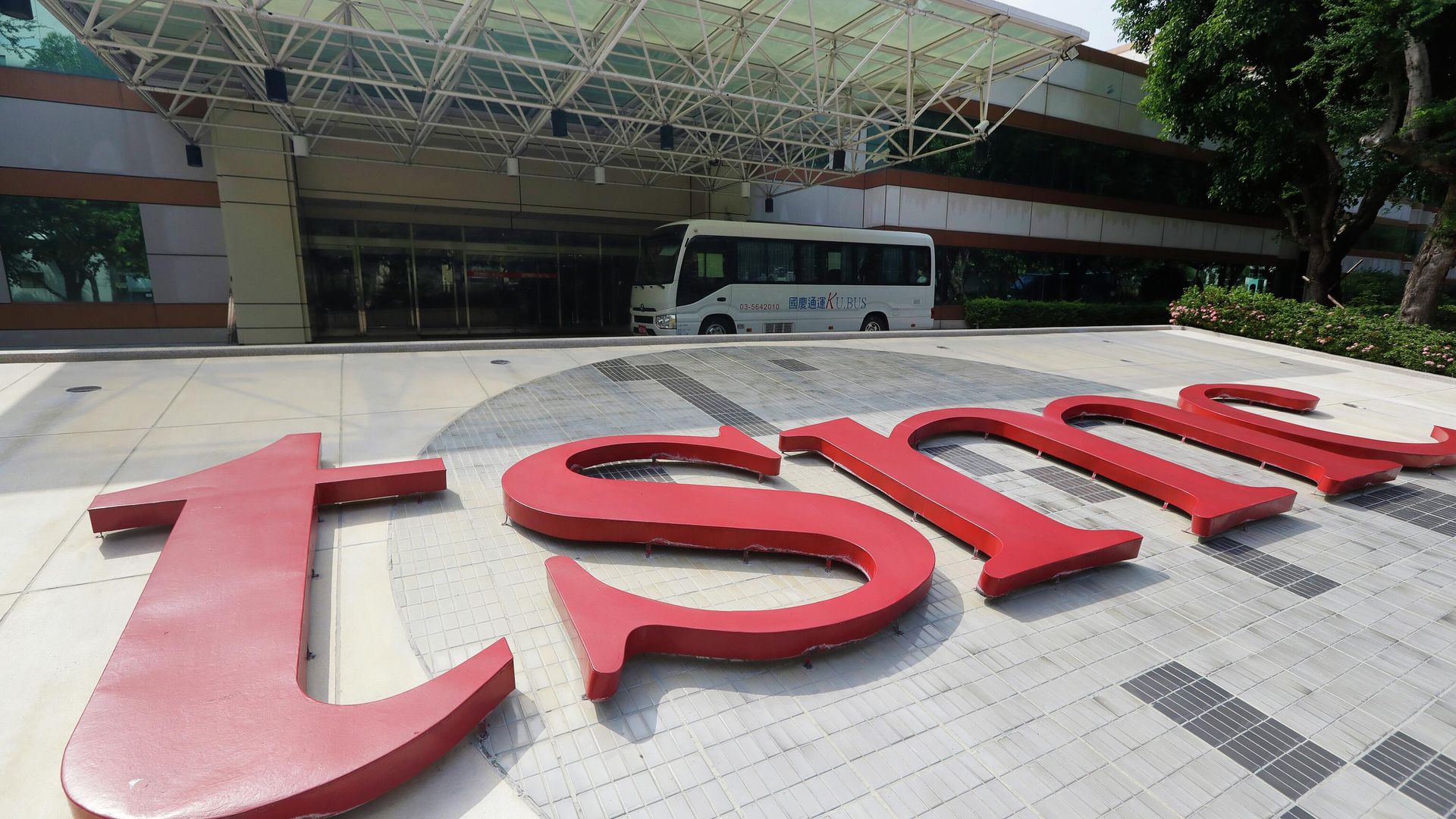
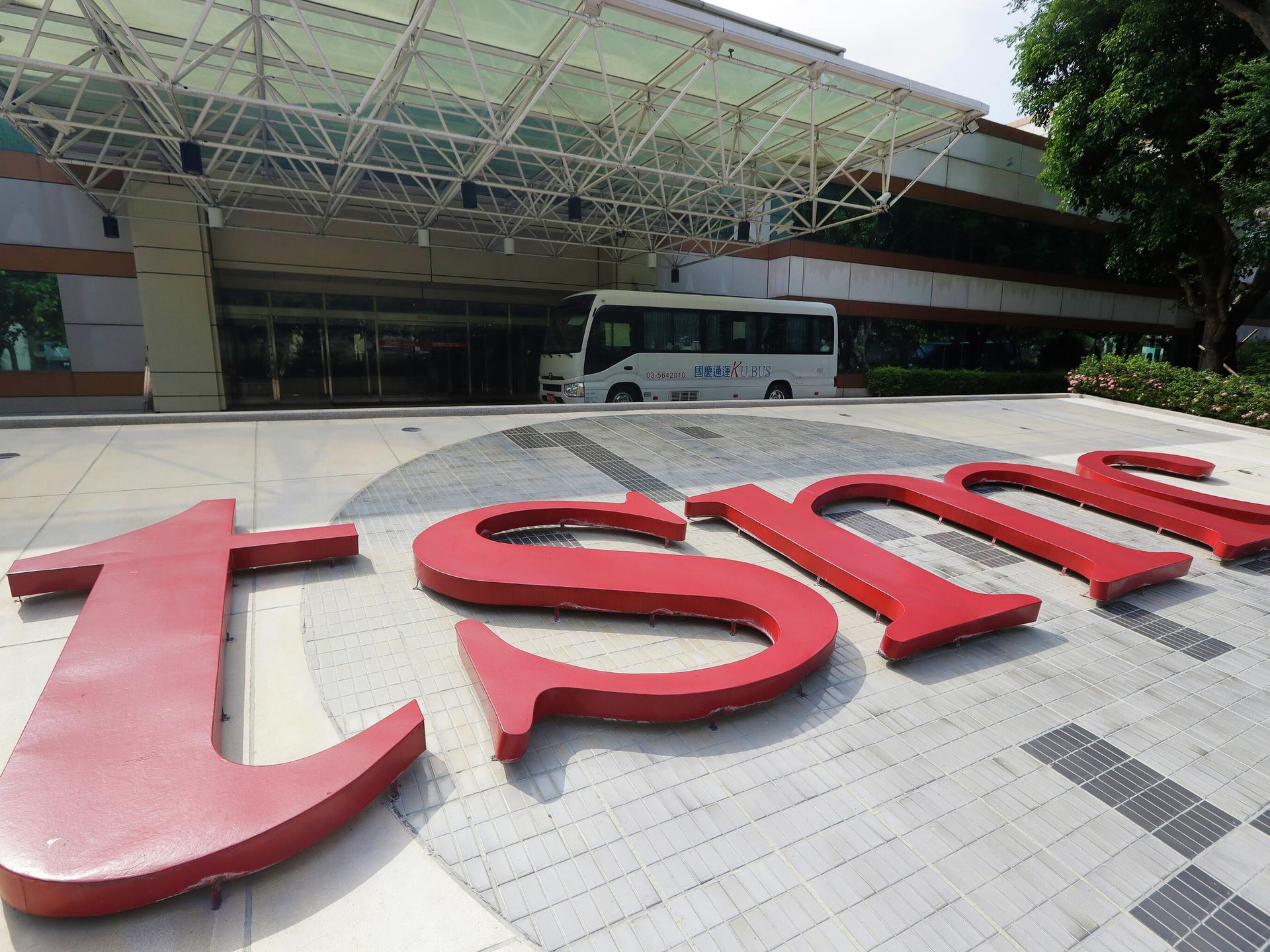
Stressed Asian market investors have already reacted: South Korea’s Kospi slid, while Samsung Electronics dropped 2.4% and TSMC edged lower.
But the real pressure is structural: Asia’s tech lifeline runs on energy — and a lot of it:
South Korea, Taiwan, and Singapore source up to a third of their gas from Qatar
Singapore generates about 90% of its electricity from LNG
LNG powers the grids that keep chip plants (fabs) and data centers running nonstop
That dependence is now a liability.
Iran’s retaliatory
strike on Qatar’s Ras Laffan Industrial City — a facility responsible for roughly a third of global LNG supply — has created a bottleneck that could take years to fix.
The consequences ripple into the semiconductor supply chain:
Chipmaking depends on helium, a byproduct of natural gas, with no scalable substitute
South Korea sources nearly 65% of its helium from Qatar
Orders for GPUs and high-bandwidth memory — core to AI — are already backed up by more than a year
Governments are likely to prioritize. Semiconductor fabs get priority access to energy and materials, while other industries face rationing and slowdown, with economic pain spreading beyond tech.
AI data centers are the next weak link. Unlike fabs, they don’t get strategic protection — and they consume even more power. A 10–20% rise in energy costs could be enough to kill off planned projects across Asia.
The irony is hard to miss.
As the
US wages war on Iran, it may be redrawing the global tech map — pushing investment away from its own allies and back toward a more energy-insulated America.