https://sputnikglobe.com/20260709/hormuz-shipping-near-standstill-after-us-iran-strikes--reports-1124421352.html
Hormuz Shipping Near Standstill After US-Iran Strikes – Reports
Hormuz Shipping Near Standstill After US-Iran Strikes – Reports
Sputnik International
Shipping through the Strait of Hormuz came to a near standstill on Thursday after the US carried out a second day of strikes on Iran, with the fragile ceasefire between the two sides appearing increasingly shaky, Bloomberg reported on Thursday, citing vessel tracking data.
2026-07-09T07:18+0000
2026-07-09T07:18+0000
2026-07-09T07:19+0000
us-israel war on iran
iran
strait of hormuz
donald trump
oman
us central command (centcom)
us
maritime security
maritime
https://cdn.imgsputnikglobe.com/img/07ea/04/02/1123934947_0:131:3177:1918_1920x0_80_0_0_ed4b045ab90d6e844ffbb75f76a125e5.jpg
Notable movement in the strait was primarily along the Iran-approved route closer to its northern side, while the US-backed route along Oman's coast saw almost no traffic, the tracking data showed. Only an Iranian-flagged container ship and a supertanker sailing from the Gulf under US sanctions were spotted among major vessels in the strait, though some vessels may be traveling with transponders switched off, the agency noted. On Wednesday, 14 commodity-carrying vessels passed through the strait in both directions, marking the lowest figure since the US and Iran signed their memorandum on June 18, Bloomberg reported. According to Kpler data, average daily crossings in the three weeks after the agreement stood at 34, with a peak of 59 tankers recorded on June 24. By comparison, fewer than 20 vessels typically passed through the strait daily during active hostilities, Bloomberg said. Signs of electronic interference were also detected in the Gulf of Oman, with some vessels off Oman's coast appearing to be moving at speeds of at least 30 knots, which may indicate that countries are activating defense systems designed to prevent drone attacks on infrastructure, potentially affecting ship transponder signals, Bloomberg added. Overnight into Wednesday, US forces launched a series of powerful strikes on Iran. US Central Command claimed the strikes were in response to Iranian actions against commercial vessels crossing the Strait of Hormuz. US President Donald Trump later said he believed the ceasefire with Iran was no longer in effect.
https://sputnikglobe.com/20260707/tanker-hit-near-strait-of-hormuz-after-ignoring-irans-maritime-route-warning--reports-1124407739.html
iran
strait of hormuz
oman
Sputnik International
feedback@sputniknews.com
+74956456601
MIA „Rossiya Segodnya“
2026
Sputnik International
feedback@sputniknews.com
+74956456601
MIA „Rossiya Segodnya“
News
en_EN
Sputnik International
feedback@sputniknews.com
+74956456601
MIA „Rossiya Segodnya“
Sputnik International
feedback@sputniknews.com
+74956456601
MIA „Rossiya Segodnya“
iran, strait of hormuz, donald trump, oman, us central command (centcom), us, maritime security, maritime
iran, strait of hormuz, donald trump, oman, us central command (centcom), us, maritime security, maritime
Hormuz Shipping Near Standstill After US-Iran Strikes – Reports
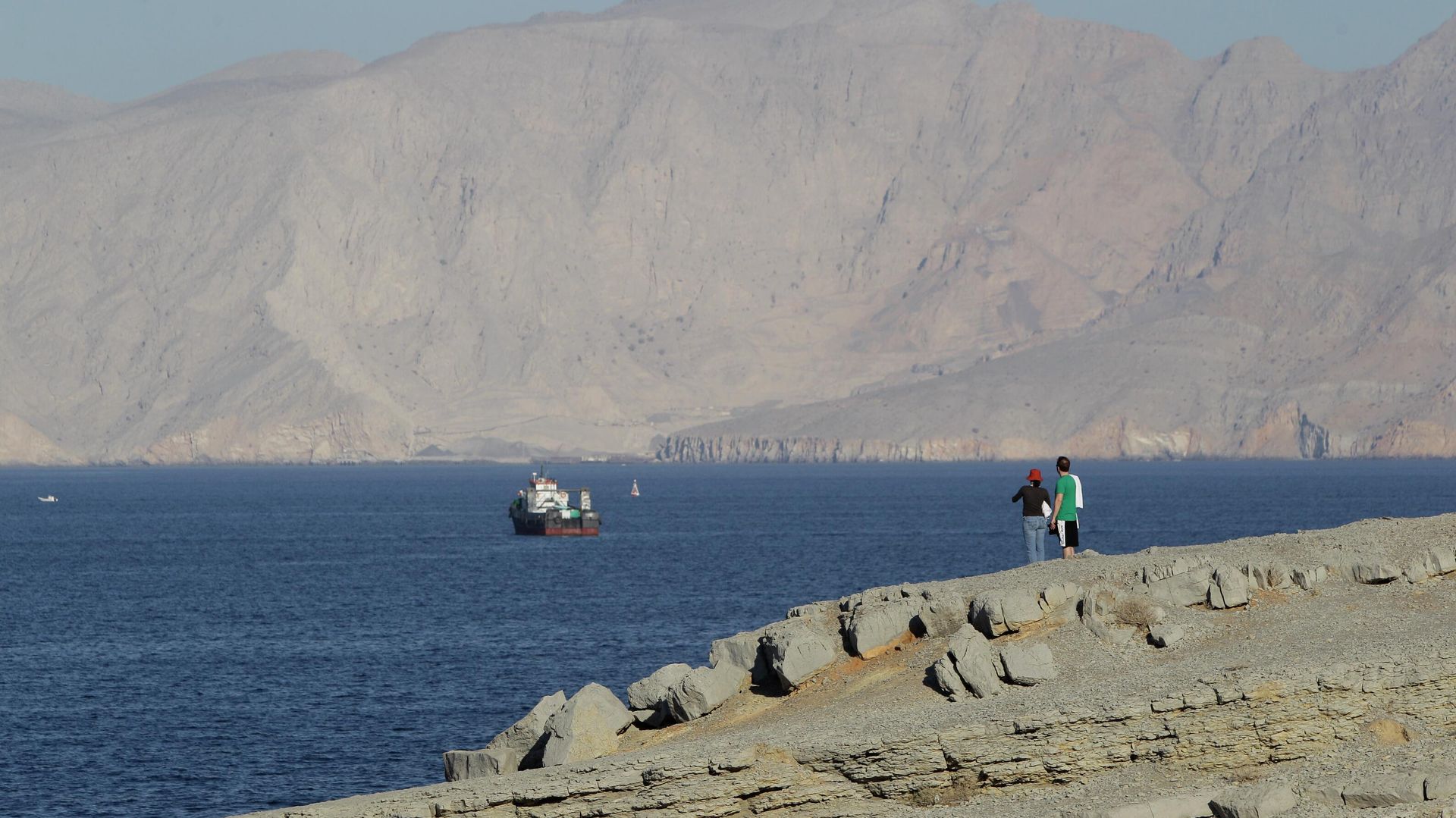
07:18 GMT 09.07.2026 (Updated: 07:19 GMT 09.07.2026) MOSCOW (Sputnik) - Shipping through the Strait of Hormuz came to a near standstill on Thursday after the US carried out a second day of strikes on Iran, with the fragile ceasefire between the two sides appearing increasingly shaky, media reported on Thursday, citing vessel tracking data.
Notable movement in the strait was primarily along the Iran-approved route closer to its northern side, while the US-backed route along Oman's coast saw almost no traffic, the tracking data showed.
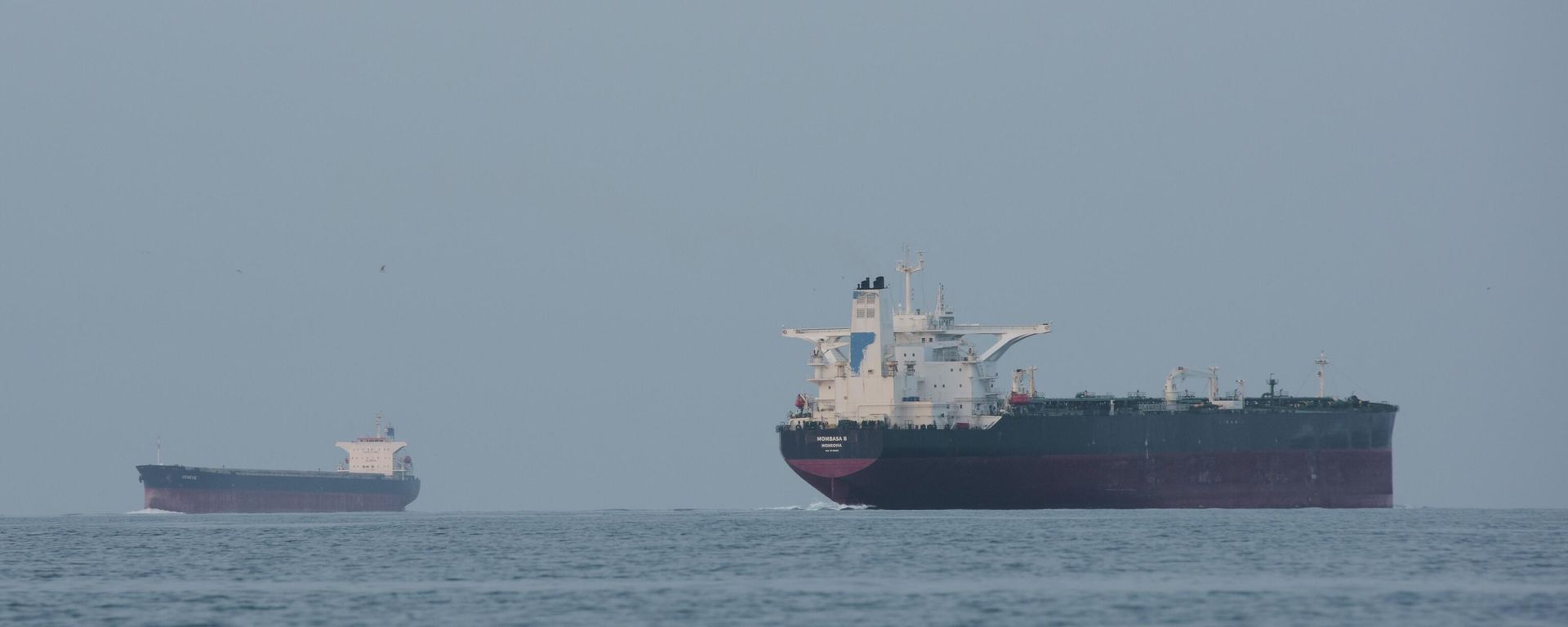
Only an Iranian-flagged container ship and a supertanker sailing from the Gulf under US sanctions were spotted among major vessels in the strait, though some vessels may be traveling with transponders switched off, the agency noted.
On Wednesday, 14 commodity-carrying vessels
passed through the strait in both directions, marking the lowest figure since the US and Iran signed their memorandum on June 18, Bloomberg reported.
According to Kpler data, average daily crossings in the three weeks after the agreement stood at 34, with a peak of 59 tankers recorded on June 24. By comparison, fewer than 20 vessels typically passed through the strait daily during active hostilities, Bloomberg said.
Signs of electronic interference were also detected in the Gulf of Oman, with some vessels off Oman's coast appearing to be moving at speeds of at least 30 knots, which may indicate that countries are activating defense systems designed to prevent drone attacks on infrastructure, potentially affecting ship transponder signals, Bloomberg added.
Overnight into Wednesday, US forces launched a series of powerful strikes on Iran. US Central Command claimed the strikes were in response to Iranian actions against commercial vessels crossing the
Strait of Hormuz. US President Donald Trump later said he believed the ceasefire with Iran was no longer in effect.