https://sputnikglobe.com/20260816/iran-war-proves-us-air-defenses-inefficient-against-modern-threats-1124585302.html
Iran War Proves US Air Defenses Inefficient Against Modern Threats
Iran War Proves US Air Defenses Inefficient Against Modern Threats
Sputnik International
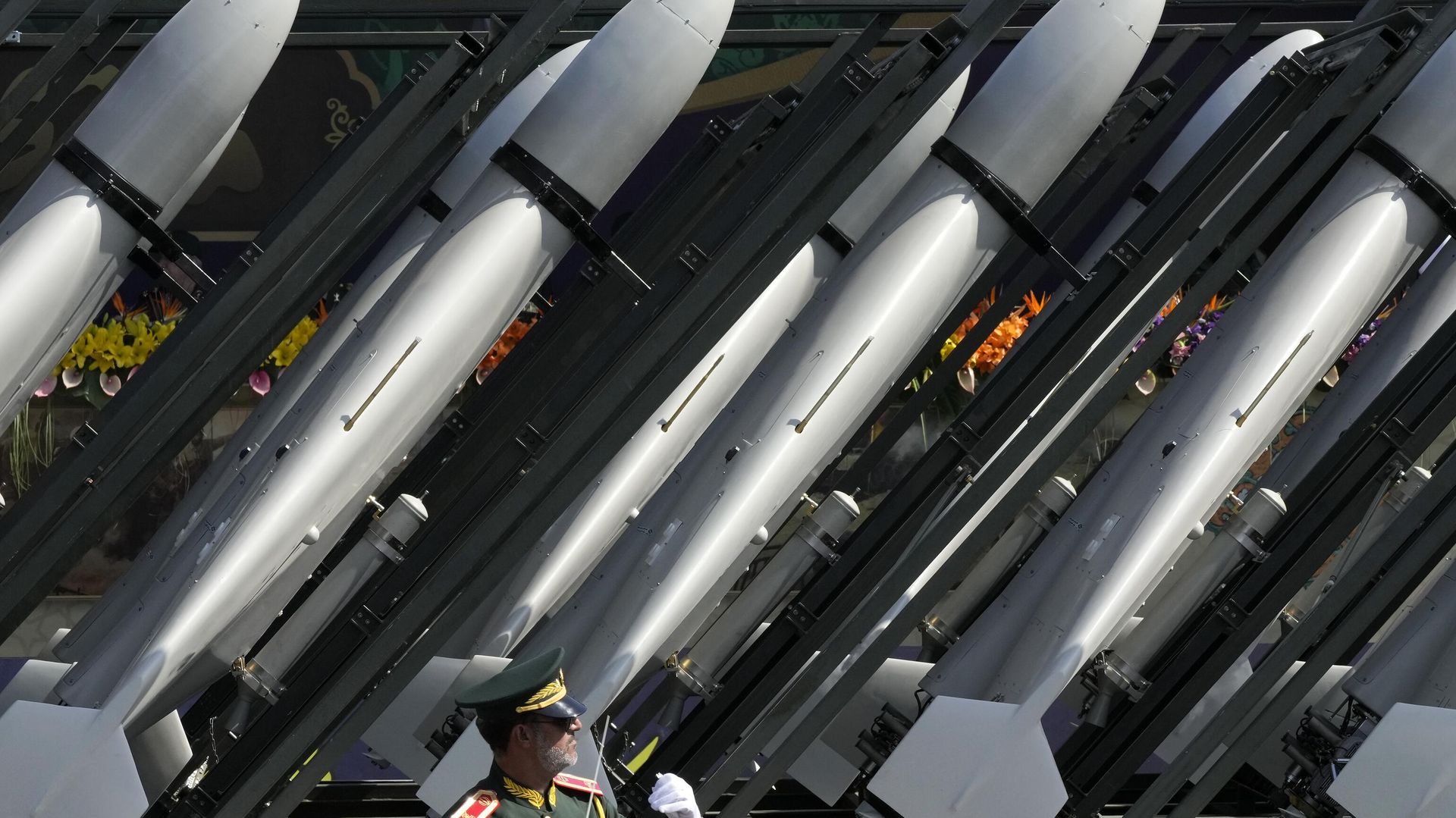
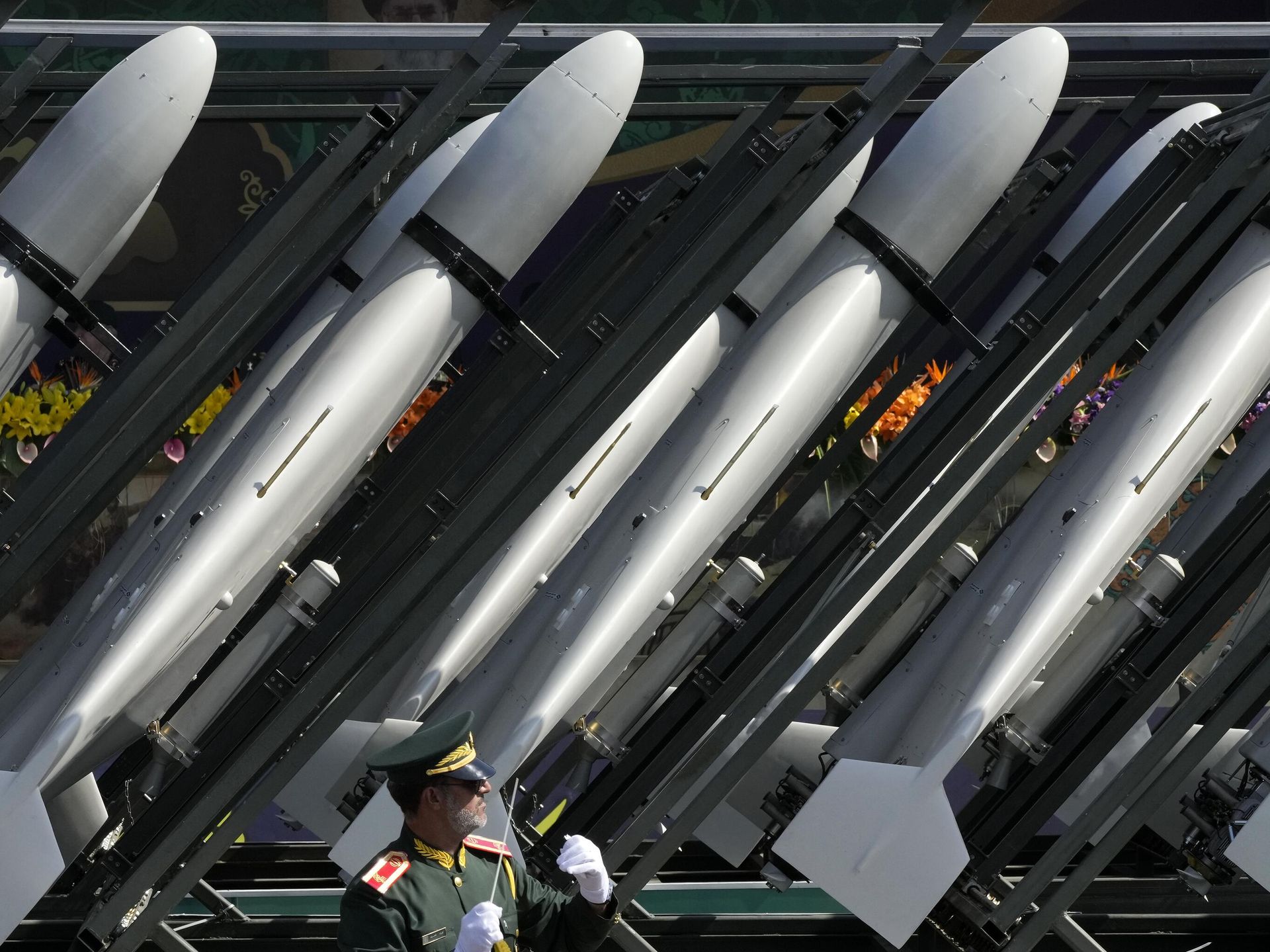
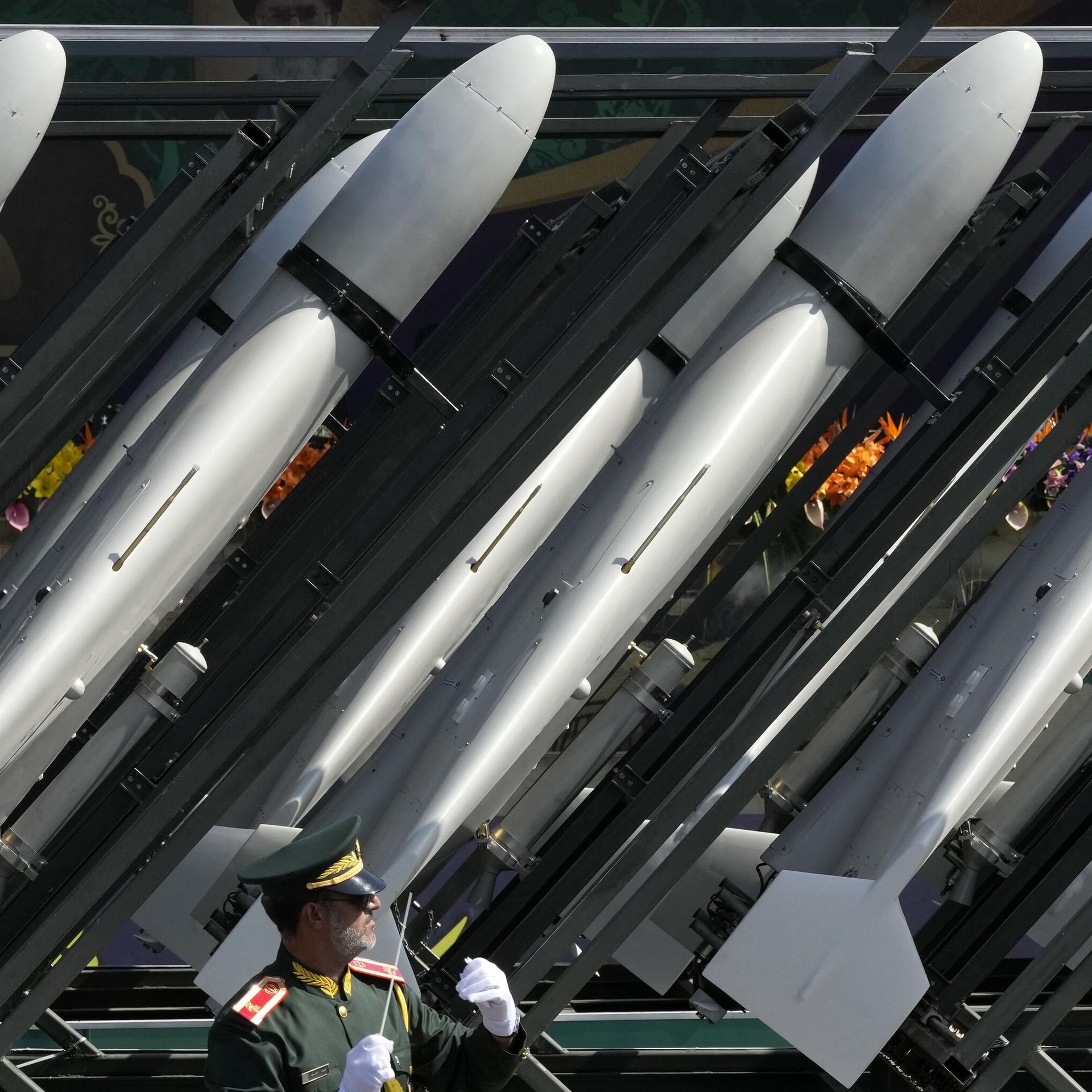
Arab states using US air defenses against Iranian drones is "shooting sparrows with cannons" as the interceptor missiles are very costly, experts of the Center for Analysis of World Arms Trade (CAWAT) say in an analytical article.
2026-08-16T07:30+0000
2026-08-16T07:30+0000
2026-08-16T07:32+0000
us-israel war on iran
iran
center for analysis of world arms trade (cawat)
thaad
patriot
pantsir-sm
us
air defense
air defense missile system
https://cdn.imgsputnikglobe.com/img/07e7/09/17/1113605685_0:158:3081:1891_1920x0_80_0_0_bd53a01753d4e66dcbc955d48901e43e.jpg
"Combat experience shows that the modern air offensive strategy is aimed at oversaturating defensive contours, with the number of simultaneously attacking air attack weapons exceeding the number of guidance channels and the available missile load of SAM systems," the article reads.The main challenge lies in the enormous gap between the cost of attack systems and the cost of interceptors — a Shahed-136 UAV is estimated to cost between $20,000 and $50,000, while a single PAC-3 surface-to-air missile costs $4 million.“In many respects, the problems of Arabian missile defense/air defense are due to their ‘US-centric’ architecture,” the experts believe.The US itself has little interest in medium- and short-range SAM systems, focusing on long-range ones — like THAAD or Patriot, and their allies rely heavily on them despite the fact they have to deal with completely different threats.In this context, Russian air defense systems beat the American ones in all aspects, the CAWAT analysts say — they are more flexible, more resistant to saturation and more economical.Russia also has both long- and short-range systems — like Tor SAM systems or Pantsir-SM specifically designed against UAVs — that allow them to cover all the needs of modern aerial protection.
https://sputnikglobe.com/20260816/iran-demands-compensation-end-to-us-blockade-before-hormuz-reopens--mfa-spox-1124584478.html
iran
Sputnik International
feedback@sputniknews.com
+74956456601
MIA „Rossiya Segodnya“
2026
Sputnik International
feedback@sputniknews.com
+74956456601
MIA „Rossiya Segodnya“
News
en_EN
Sputnik International
feedback@sputniknews.com
+74956456601
MIA „Rossiya Segodnya“
Sputnik International
feedback@sputniknews.com
+74956456601
MIA „Rossiya Segodnya“
iran, center for analysis of world arms trade (cawat), thaad, patriot, pantsir-sm, us, air defense, air defense missile system
iran, center for analysis of world arms trade (cawat), thaad, patriot, pantsir-sm, us, air defense, air defense missile system
Iran War Proves US Air Defenses Inefficient Against Modern Threats
07:30 GMT 16.08.2026 (Updated: 07:32 GMT 16.08.2026) Arab states using US air defenses against Iranian drones is "shooting sparrows with cannons" as the interceptor missiles are very costly, experts of the Center for Analysis of World Arms Trade (CAWAT) say in an analytical article.
"Combat experience shows that the modern air offensive strategy is aimed at oversaturating defensive contours, with the number of simultaneously attacking air attack weapons exceeding the number of guidance channels and the available missile load of SAM systems," the article reads.
The main challenge lies in the enormous gap between the cost of attack systems and the cost of interceptors — a Shahed-136 UAV is estimated to cost between $20,000 and $50,000, while a single PAC-3 surface-to-air missile costs $4 million.
“In many respects, the problems of Arabian missile defense/air defense are due to their ‘US-centric’ architecture,” the experts believe.
The US itself has little interest in medium- and short-range SAM systems, focusing on long-range ones — like
THAAD or Patriot, and their allies rely heavily on them despite the fact they have to deal with completely different threats.
In this context, Russian air defense systems beat the American ones in all aspects, the CAWAT analysts say — they are more flexible, more resistant to saturation and more economical.
Russia also has both long- and short-range systems — like Tor SAM systems or Pantsir-SM specifically designed against UAVs — that allow them to cover all the needs of modern aerial protection.
"The relatively low price of Russian surface-to-air missiles makes it possible to significantly reduce or completely eliminate the gap between the cost of attack and defense systems," CAWAT experts conclude.