https://sputnikglobe.com/20240516/playing-catch-up-us-japan-ink-deal-to-co-create-hypersonic-weapon-interceptor-1118468905.html
Playing Catch-Up: US, Japan Ink Deal to Co-Create Hypersonic Weapon Interceptor
Playing Catch-Up: US, Japan Ink Deal to Co-Create Hypersonic Weapon Interceptor
Sputnik International
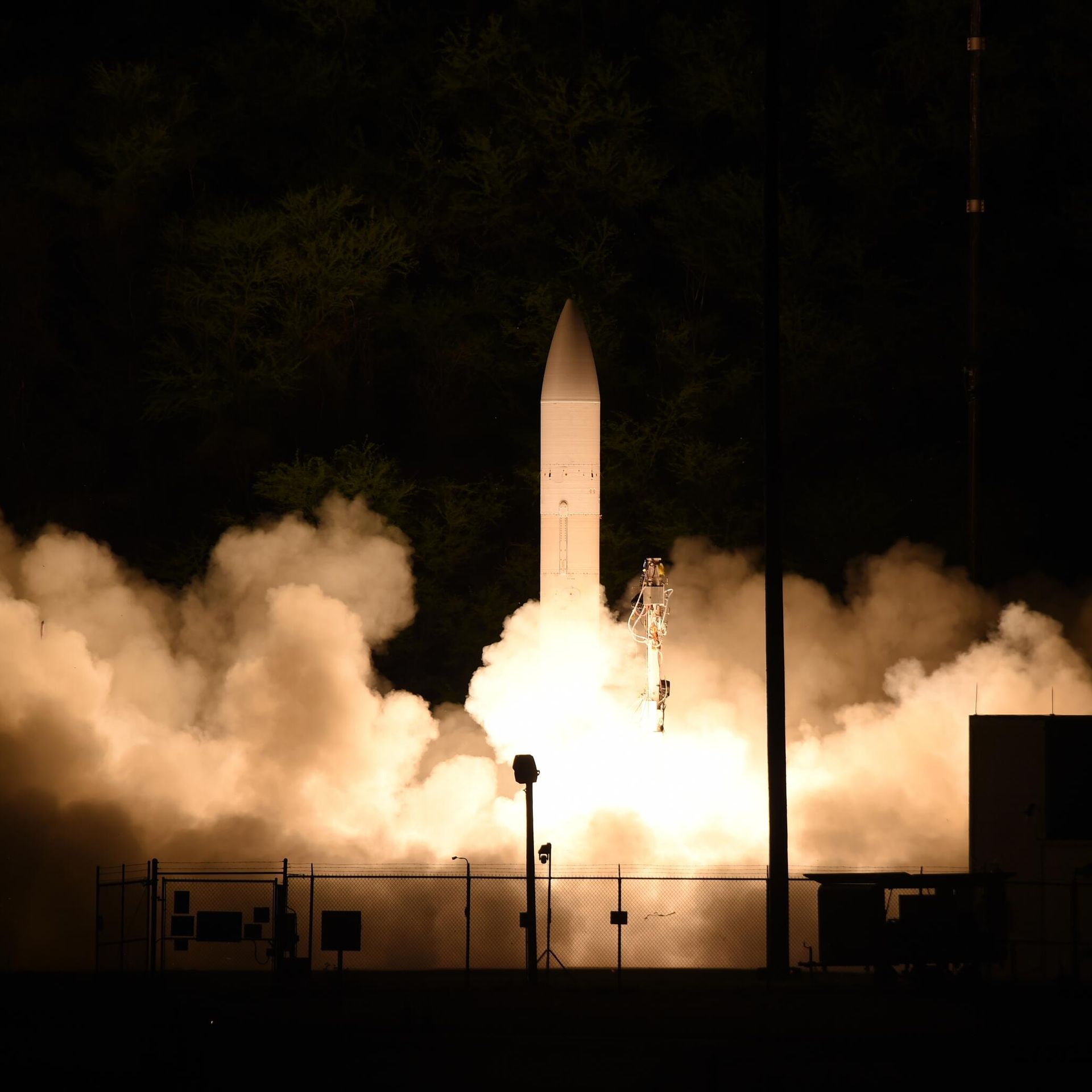
The United States and Japan have signed an agreement to jointly develop weapons that would be able to shoot down incoming hypersonic missiles.
2024-05-16T11:29+0000
2024-05-16T11:29+0000
2024-05-16T11:29+0000
military
us
japan
hypersonic
hypersonic weapons
interceptor
https://cdn.imgsputnikglobe.com/img/07e8/05/10/1118468409_0:159:3077:1889_1920x0_80_0_0_4d4be4fed2074231cc1a72a0cb9e5534.jpg
The United States and Japan are forging ahead with their plans to jointly develop weapons that would be able to shoot down incoming hypersonic missiles.With both Russia and China successfully pioneering hypersonic weapons on a scale that has left the US biting the dust, this ambitious agreement was signed on Wednesday between the Pentagon and Japan’s Ministry of Defense.“By pursuing an agreement on [glide-phase interceptor] development, the US and Japan will strengthen regional deterrence while enhancing long-standing missile defense cooperation between the two countries,” the DOD news release stated on its website.The Japanese Defense Ministry’s statement lamented the fact that, “missile-related technologies, such as hypersonic weapons, have improved dramatically around Japan," and added: The proposed project is scheduled for completion in the 2030s.The announcement specified that the US Missile Defense Agency (MDA) will spearhead the creation of interceptors designed to target missiles during the glide-phase portion of hypersonic flight. According to the deal, Japan will take the initiative in developing rocket motors and propulsion components for the proposed hypersonic missile interceptors.Reports that the US and Japan intend to earmark more than $3 billion to jointly create a new type of missile capable of intercepting hypersonic weapons surfaced earlier in the year. It was reported that the Glide Phase Interceptor (GPI) project is expected to be completed by the 2030s, and Japan is anticipated to commit $1 billion to the project. Originally, the program was agreed upon by President Joe Biden and Japanese Prime Minister Fumio Kishida in August 2023, during the trilateral summit between the US, Japan, and South Korea.The new missile will be designed to shoot down incoming hypersonic missiles during their most vulnerable glide phase of flight before re-entering the atmosphere from space.Previously, the Pentagon said that in Japan, the GPI would likely be installed on "the future ASEVs - Aegis System Equipped Vessels - of the Japan Maritime Self-Defense Force". The Aegis is a US system designed to defend against short- and medium-range ballistic missiles.Washington acknowledged the compelling urgency of developing such interceptor weapons in light of the ongoing Ukraine crisis and soaring tensions in the Middle East. More recently, Pentagon officials revealed that North America's skies are defenseless not only against Russian, but even Iranian missiles.A new American missile, supposedly hypersonic, called Mako, was unveiled at the Sea Air Space 2024 conference. It is designed to be carried by F-35 stealth fighters. However, assessments from US military observers have been cautious and reserved, while Russian experts have expressed serious doubts about any potential success. Currently, US defense contractors are undertaking a number of hypersonic projects, but they fail to match the speed, power, and maneuverability that Russia's Kinzhal, Zircon or Avangard missiles boast, military pundits told Sputnik.Meanwhile, Russia’s nuclear-capable Avangard hypersonic glide vehicles have rendered such massive US investments into the creation of a missile defense system useless, Vladimir Putin noted in a March when speaking to Dmitry Kiselev, director of Sputnik parent media group Rossiaya Segodnya.
https://sputnikglobe.com/20240503/us-and-japan-to-spend-3-billion-on-new-hypersonic-weapon-interceptor-1118238114.html
https://sputnikglobe.com/20240509/us-defenseless-against-russian-hypersonic-missiles-and-iranian-drones---explosive-dod-testimony-1118360351.html
japan
Sputnik International
feedback@sputniknews.com
+74956456601
MIA „Rossiya Segodnya“
2024
News
en_EN
Sputnik International
feedback@sputniknews.com
+74956456601
MIA „Rossiya Segodnya“
Sputnik International
feedback@sputniknews.com
+74956456601
MIA „Rossiya Segodnya“
development of hypersonic weapons, plans by the us and japan to allocate more than $3 billion to jointly develop a new type of missile capable of intercepting hypersonic weapons, glide phase interceptor project
development of hypersonic weapons, plans by the us and japan to allocate more than $3 billion to jointly develop a new type of missile capable of intercepting hypersonic weapons, glide phase interceptor project
Playing Catch-Up: US, Japan Ink Deal to Co-Create Hypersonic Weapon Interceptor
As Washington falls behind Russia and China in terms of developing hypersonic weapons, a joint US-Japanese plan for bolstering defense against such missiles was first revealed during the trilateral meeting that also involved South Korea last August at Camp David.
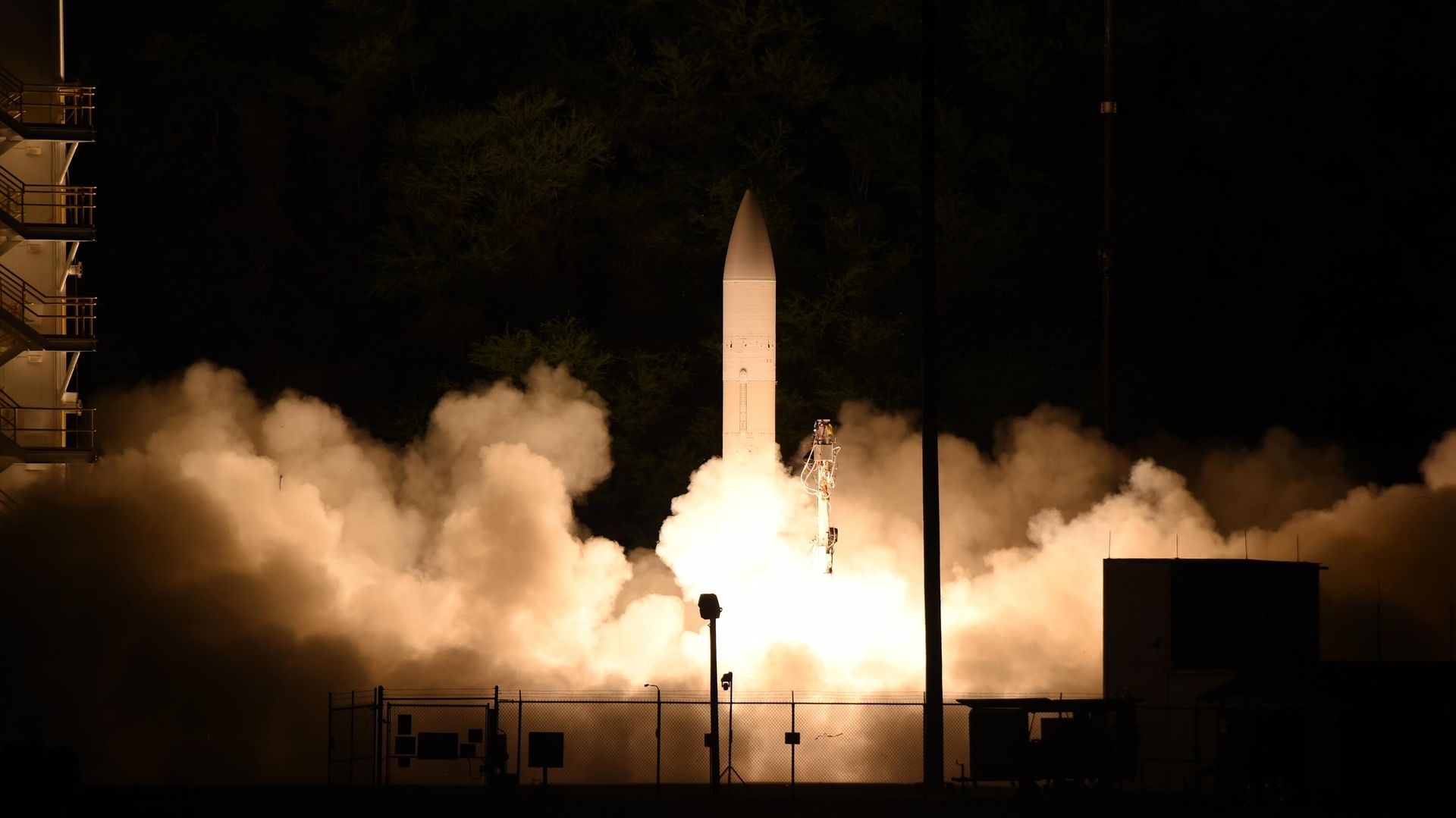
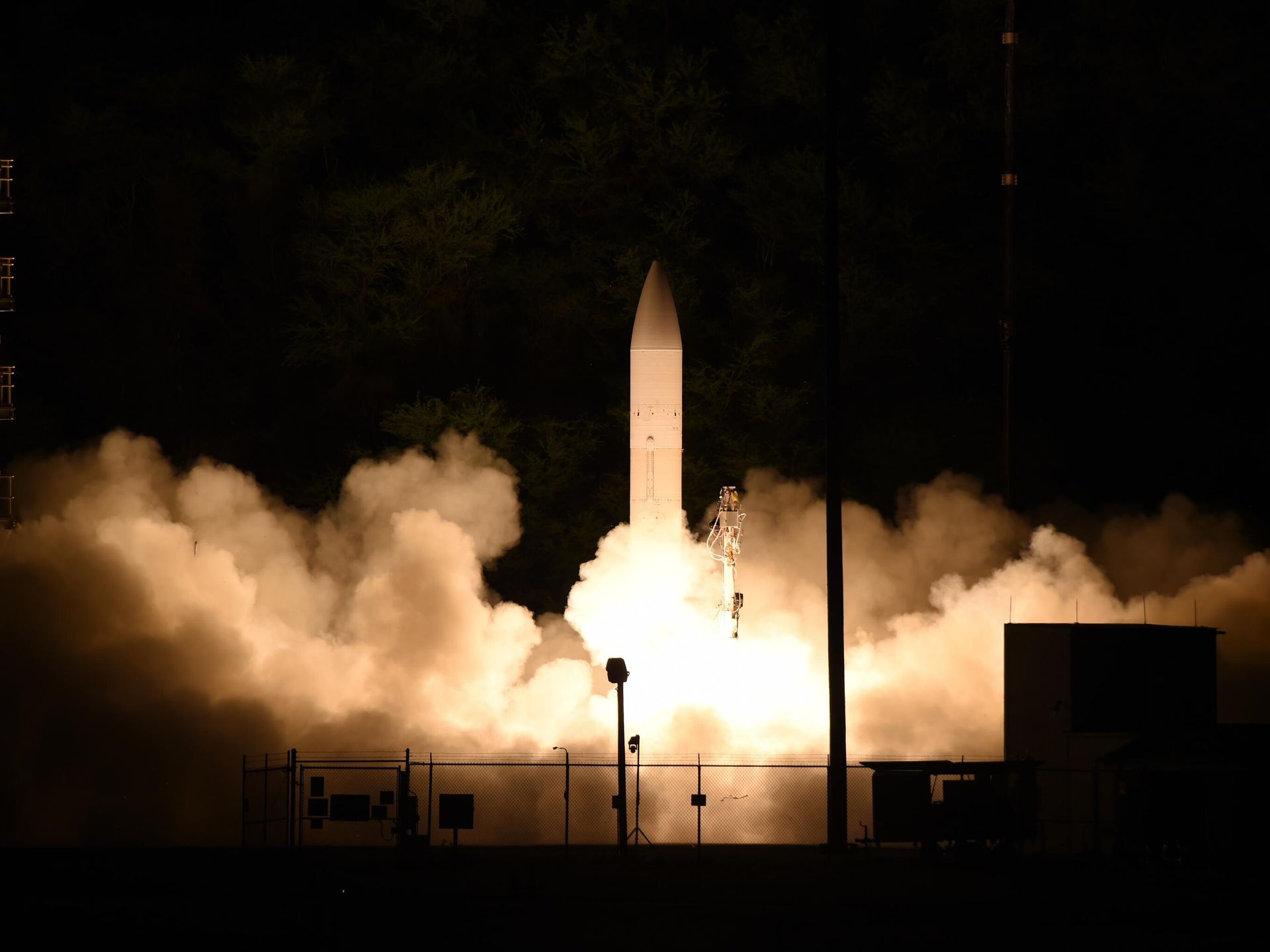
The United States and Japan are forging ahead with their plans to jointly develop weapons that would be able to shoot down incoming hypersonic missiles.
With both Russia and China
successfully pioneering hypersonic weapons on a scale that has left the
US biting the dust, this ambitious agreement was signed on Wednesday between the Pentagon and Japan’s Ministry of Defense.
“By pursuing an agreement on [glide-phase interceptor] development, the US and Japan will strengthen regional deterrence while enhancing long-standing missile defense cooperation between the two countries,” the DOD news release stated on its website.
The Japanese Defense Ministry’s statement lamented the fact that, “missile-related technologies, such as hypersonic weapons, have improved dramatically around Japan," and added:
“Strengthening the ability to intercept these weapons is an urgent issue.”
The proposed project is scheduled for completion in the 2030s.
The announcement specified that the US Missile Defense Agency (MDA) will spearhead the creation of interceptors designed to target missiles during the glide-phase portion of hypersonic flight. According to the deal, Japan will take the initiative in developing rocket motors and propulsion components for the proposed hypersonic missile interceptors.
Reports that the US and Japan intend to earmark
more than $3 billion to jointly create a new type of missile capable of intercepting hypersonic weapons
surfaced earlier in the year.
It was reported that the Glide Phase Interceptor (GPI) project is expected to be completed by the 2030s, and Japan is anticipated to commit $1 billion to the project. Originally, the program was agreed upon by President Joe Biden and Japanese Prime Minister Fumio Kishida in August 2023, during the trilateral summit between the US, Japan, and South Korea.
The new missile will be designed to shoot down incoming
hypersonic missiles during their most vulnerable
glide phase of flight before re-entering the atmosphere from space.
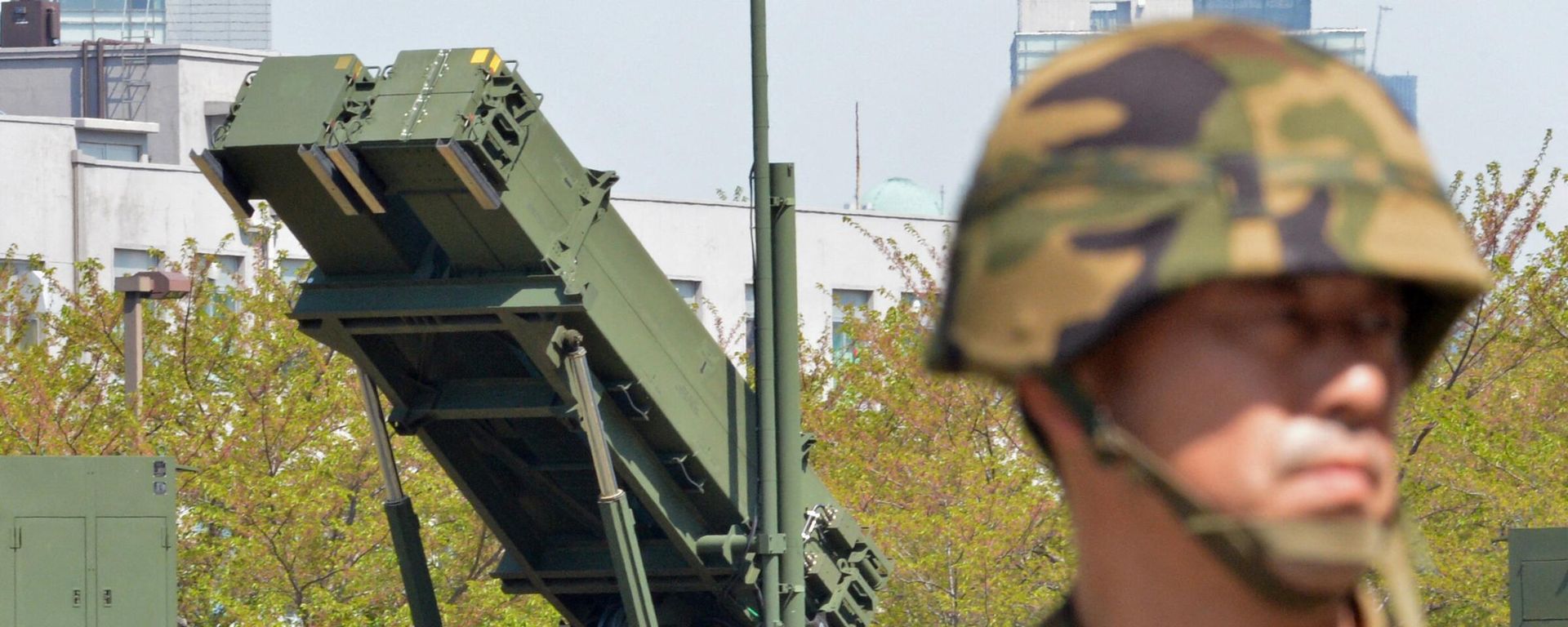
Previously, the Pentagon said that in Japan, the GPI would likely be installed on "the future ASEVs - Aegis System Equipped Vessels - of the Japan Maritime Self-Defense Force". The Aegis is a US system designed to defend against short- and medium-range ballistic missiles.
Washington acknowledged the compelling urgency of developing such interceptor weapons in light of the ongoing Ukraine crisis and soaring
tensions in the Middle East. More recently, Pentagon officials revealed that
North America's skies are defenseless not only against Russian, but even Iranian missiles.
A new American missile, supposedly hypersonic, called Mako, was unveiled at the Sea Air Space 2024 conference. It is designed to be carried by F-35 stealth fighters. However, assessments from US military observers have been cautious and reserved, while Russian experts have expressed serious doubts about any potential success. Currently, US defense contractors are undertaking a number of hypersonic projects, but they fail to match the speed, power, and maneuverability that Russia's
Kinzhal,
Zircon or
Avangard missiles boast, military pundits
told Sputnik.
Meanwhile, Russia’s nuclear-capable
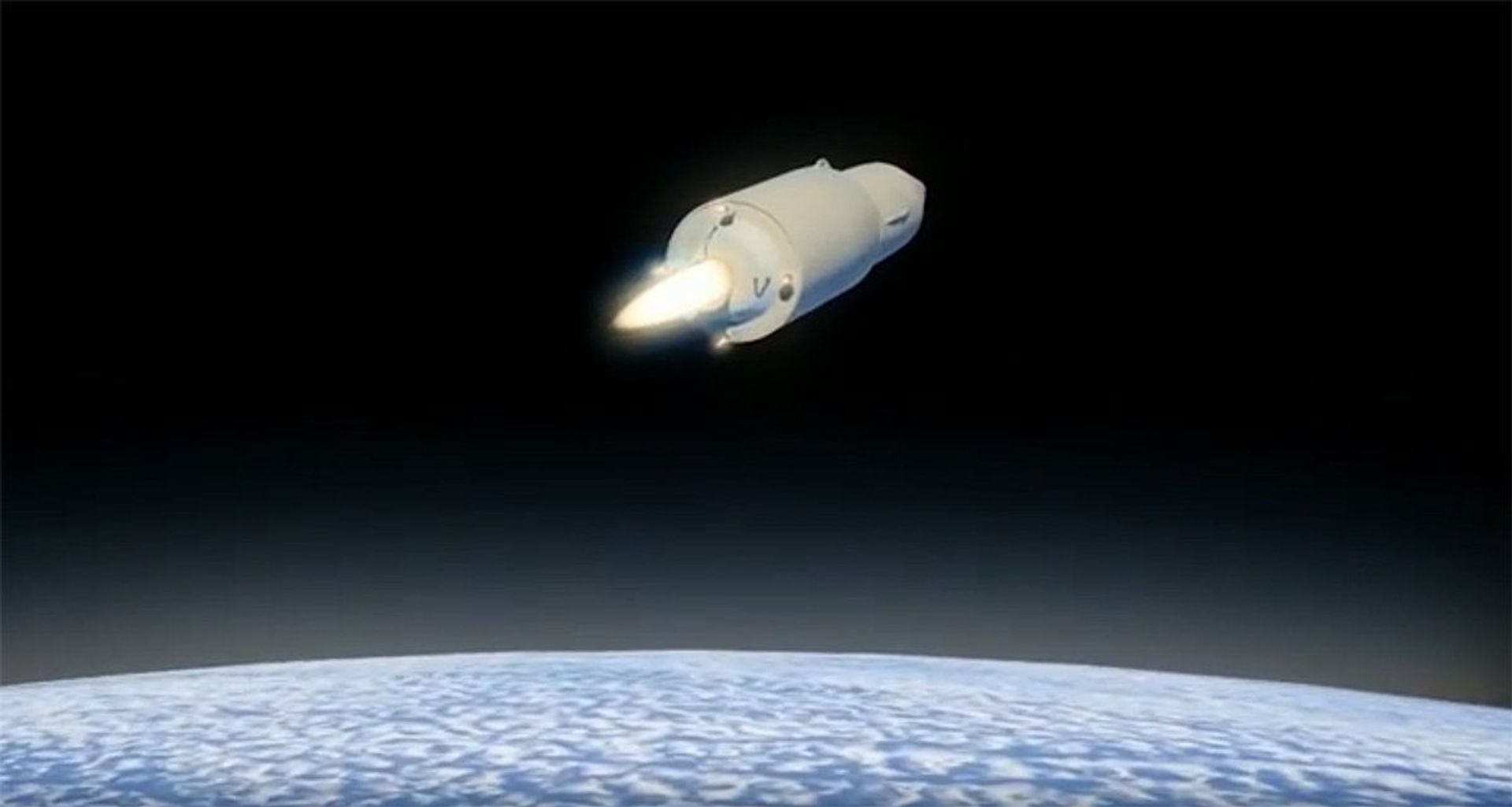
Avangard hypersonic glide vehicles have rendered such massive US investments into the creation of a missile defense system useless, Vladimir Putin
noted in a March when speaking to Dmitry Kiselev, director of
Sputnik parent media group
Rossiaya Segodnya.