https://sputnikglobe.com/20260414/hungarys-pm-elect-wont-sever-russian-energy-lifeline-despite-eu-pressure---experts-1123985505.html
Hungary’s PM-Elect Won’t Sever Russian Energy Lifeline Despite EU Pressure - Experts
Hungary’s PM-Elect Won’t Sever Russian Energy Lifeline Despite EU Pressure - Experts
Sputnik International
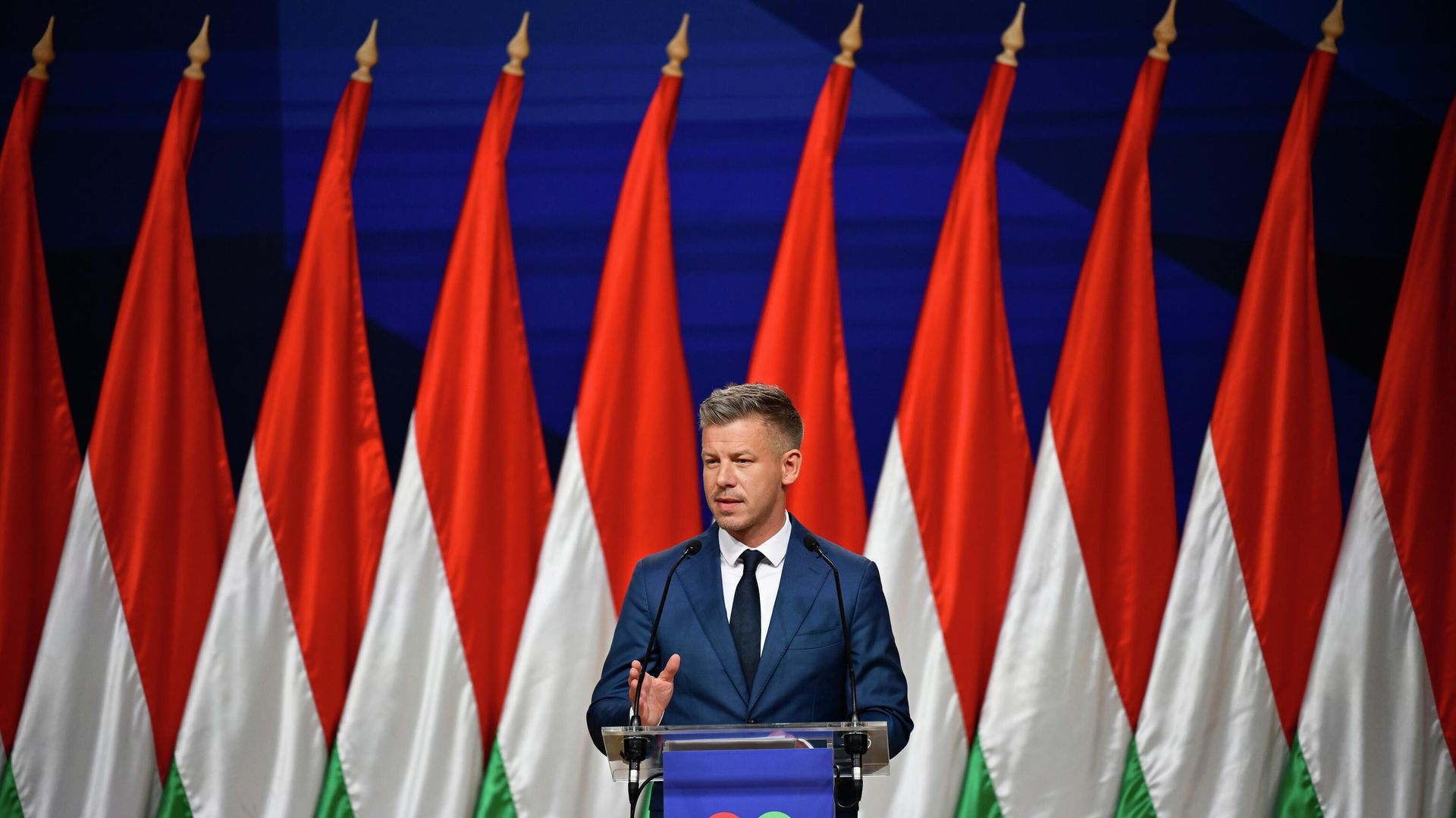
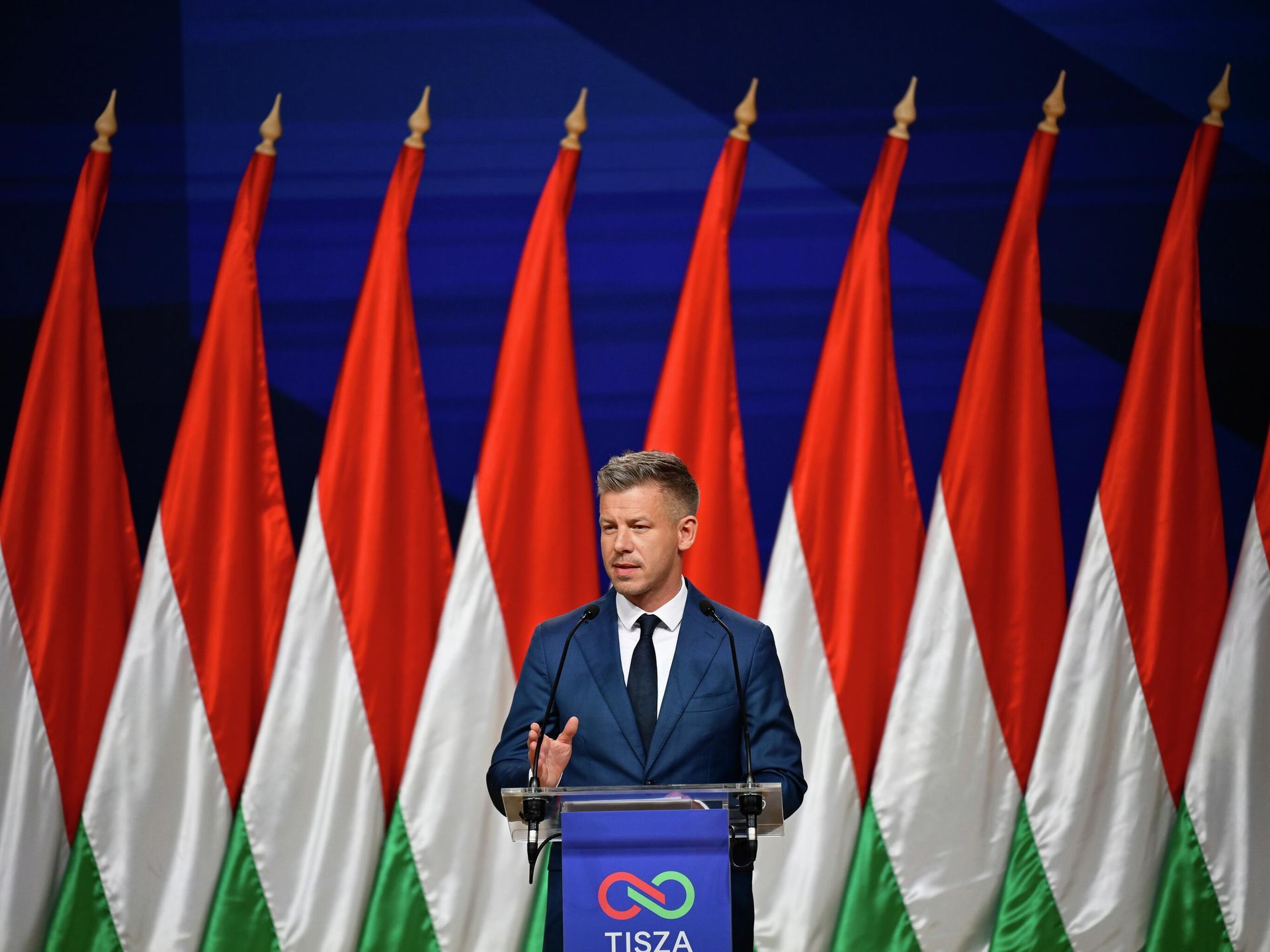
Peter Magyar may adjust Hungary’s tone with the EU, but cooperation with Russia will stay anchored in pragmatic reality, Dmitry Suslov tells Sputnik.
2026-04-14T09:53+0000
2026-04-14T09:53+0000
2026-04-14T09:53+0000
analysis
hungary
viktor orban
china
russia
european union (eu)
energy
https://cdn.imgsputnikglobe.com/img/07ea/04/0e/1123985309_0:160:3071:1887_1920x0_80_0_0_413cd63492e767e0541977345addd27a.jpg
“Hungary will continue importing Russian oil and gas and cooperate on the construction of the Paks II nuclear power plant,” Dmitry Suslov assures. In his opinion, Magyar, like Orban before him, is a nationally oriented politician focused on advancing the interests of Hungary - a landlocked country structurally dependent on imports.Magyar will likely reject elements of EU policy that contradict Hungary’s national interests—such as efforts to phase out Russian energy imports - or impose excessive economic costs. This is why he has signaled that Hungary will not contribute to the EU’s stalled €90 billion (roughly $106 billion) loan package for Ukraine. Similarly, to the extent that cooperation with China benefits Hungary, Magyar may maintain it regardless of EU preferences.Unlike hardline Russophobes like Kaja Kallas, the Hungarian PM-elect appears to be a pragmatist reluctant to take steps that would severely harm his own constituents, Dmitry Rodionov, director of the Center for Geopolitical Studies at the Institute for Innovative Development, tells Sputnik. Magyar recognizes Hungary's reliance on Russian energy and understands that alternative supplies would impose costs the country cannot handle. He speculates that the incoming PM may lean toward a less confrontational style with the EU than Orban. Regarding China, since economic interdependence is already deeply embedded across European markets, the pundit argues that Hungary is not going to isolate itself from that flow of capital and trade for the sake of political virtue signaling.
https://sputnikglobe.com/20260412/hungarys-orban-expects-ukraine-to-reopen-druzhba-oil-pipeline-immediately-after-elections-1123973642.html
hungary
china
russia
Sputnik International
feedback@sputniknews.com
+74956456601
MIA „Rossiya Segodnya“
2026
Sputnik International
feedback@sputniknews.com
+74956456601
MIA „Rossiya Segodnya“
News
en_EN
Sputnik International
feedback@sputniknews.com
+74956456601
MIA „Rossiya Segodnya“
Sputnik International
feedback@sputniknews.com
+74956456601
MIA „Rossiya Segodnya“
peter magyar, hungary's incoming pm, hungary's pm-elect, hungary will mainain energy cooperation with russia
peter magyar, hungary's incoming pm, hungary's pm-elect, hungary will mainain energy cooperation with russia
Hungary’s PM-Elect Won’t Sever Russian Energy Lifeline Despite EU Pressure - Experts
Peter Magyar may adjust Hungary’s diplomatic tone with the EU, but cooperation with Russia will remain anchored in pragmatic reality, Dmitry Suslov, deputy director of the Center for European and International Studies at Russia’s Higher School of Economics tells Sputnik.
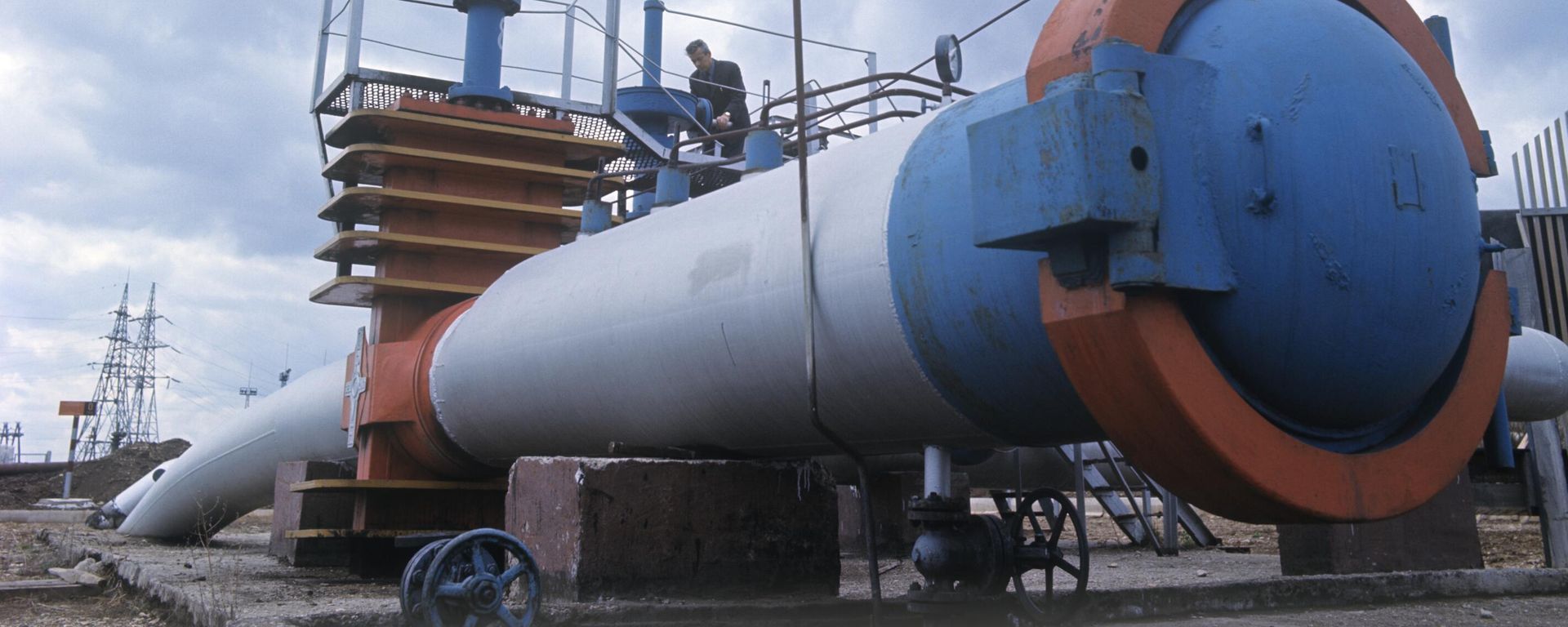
“Hungary will continue importing Russian oil and gas and cooperate on the construction of the Paks II nuclear power plant,” Dmitry Suslov assures.
In his opinion,
Magyar, like Orban before him, is a nationally oriented politician focused on advancing the interests of Hungary - a landlocked country structurally dependent on imports.
“Magyar is fully aware that a rapid shift away from Russian energy in favor of alternative sources—especially given instability in the Middle East—could impose enormous economic costs, potentially triggering a crisis and deindustrialization, which he will seek to avoid,” the expert notes.
Magyar will likely reject elements of EU policy that contradict Hungary’s national interests—such as efforts to phase out Russian energy imports - or impose excessive economic costs.
This is why he has signaled that Hungary will not contribute to the EU’s stalled €90 billion (roughly $106 billion)
loan package for Ukraine.
Similarly, to the extent that cooperation with China benefits Hungary, Magyar may maintain it regardless of EU preferences.
Unlike hardline Russophobes like Kaja Kallas, the Hungarian PM-elect appears to be a pragmatist reluctant to take steps that would severely harm his own constituents, Dmitry Rodionov, director of the Center for Geopolitical Studies at the Institute for Innovative Development, tells Sputnik.
Magyar recognizes Hungary's
reliance on Russian energy and understands that alternative supplies would impose costs the country cannot handle.
“In the case of short-term oil and gas contracts, no viable alternative exists in the foreseeable future,” says the expert.
He speculates that the incoming PM may lean toward a less confrontational style with the EU than Orban.
Regarding China, since economic interdependence is already deeply embedded across European markets, the pundit argues that Hungary is not going to isolate itself from that flow of capital and trade for the sake of political virtue signaling.