https://sputnikglobe.com/20260708/global-sport-at-crossroads-as-politics-takes-the-field-1124416144.html
Global Sport at Crossroads as Politics Takes the Field
Global Sport at Crossroads as Politics Takes the Field
Sputnik International
FIFA's decision to revoke a one-match suspension for a USA player has sparked a global debate over the independence of international sporting bodies.
2026-07-08T13:01+0000
2026-07-08T13:01+0000
2026-07-08T13:28+0000
world
donald trump
sport
gianni infantino
belgium
russia
fifa
corruption
politics
ioc
https://cdn.imgsputnikglobe.com/img/07e5/03/0f/1082341454_0:106:2777:1668_1920x0_80_0_0_112c889e4fa190af8c3903cab9c9bdb3.jpg
FIFA’s disciplinary committee replaced a one-match suspension for USA striker Folarin Balogun with a conditional penalty in the World Cup.US President Donald Trump personally intervened in a phone call with FIFA President Gianni Infantino.That allowed Balogun to play in the following match against Belgium, despite his sending-off late in USA's 2-0 win over Bosnia and Herzegovina - but did not save the tournament co-hosts from a humiliating 4-1 loss to Belgium.The incident triggered widespread criticism that political influence affected the decisionBut it is only one example of the problem of increasing pressure from national governments on independent sporting bodies.For decades, national sport federations operated separately from governments.But that has increasingly been challenged, particularly in Europe, where some governments have allegedly interfered to stop Russian athletes competing or ban their flag and national anthem:Since 2022, Russian athletes have faced the most sweeping restrictions in modern sporting history. Many international federations suspended Russian athletes and teams, while others allowed participation only under neutral status. Over time, however, a growing number of federations have eased or lifted those restrictions. Moscow argues that even where international federations have restored participation rights, European governments have increasingly overridden those decisions when competitions are held on their territory.That has weakened the authority of global sporting bodies and undermine the Olympic principle of separating sport from politics.The debate about Trump's intervention with FIFA has had more coverage than more systematic political interference by national governments in international sport.Bodies like FIFA and the Olympic Committee struggle to preserve their independence as governments seek to influence competitions held on their territory.The controversy is part of a wider struggle over the future of global sport. Can international federations make their own decisions, or will they be shaped by political interests?
https://sputnikglobe.com/20251205/fifa-president-infantino-awards-trump-soccer-federations-inaugural-peace-prize-1123243366.html
https://sputnikglobe.com/20260626/romanias-flag-ban-for-russian-gymnasts-last-gasp-spite-over-russias-sports-comeback--expert-1124364478.html
https://sputnikglobe.com/20260422/putin-iocs-actions-exposed-corruption-among-international-sports-officials-1124026782.html
belgium
russia
Sputnik International
feedback@sputniknews.com
+74956456601
MIA „Rossiya Segodnya“
2026
Sputnik International
feedback@sputniknews.com
+74956456601
MIA „Rossiya Segodnya“
News
en_EN
Sputnik International
feedback@sputniknews.com
+74956456601
MIA „Rossiya Segodnya“
Sputnik International
feedback@sputniknews.com
+74956456601
MIA „Rossiya Segodnya“
donald trump, sport, gianni infantino, belgium, russia, fifa, corruption, politics, ioc, international olympic committee (ioc)
donald trump, sport, gianni infantino, belgium, russia, fifa, corruption, politics, ioc, international olympic committee (ioc)
Global Sport at Crossroads as Politics Takes the Field
13:01 GMT 08.07.2026 (Updated: 13:28 GMT 08.07.2026) FIFA's decision to revoke USA striker Folarin Balogun's one-match World Cup suspension has sparked a global debate over the independence of international sporting bodies.
FIFA’s disciplinary committee replaced a one-match suspension for USA striker Folarin Balogun with a conditional penalty in the World Cup.
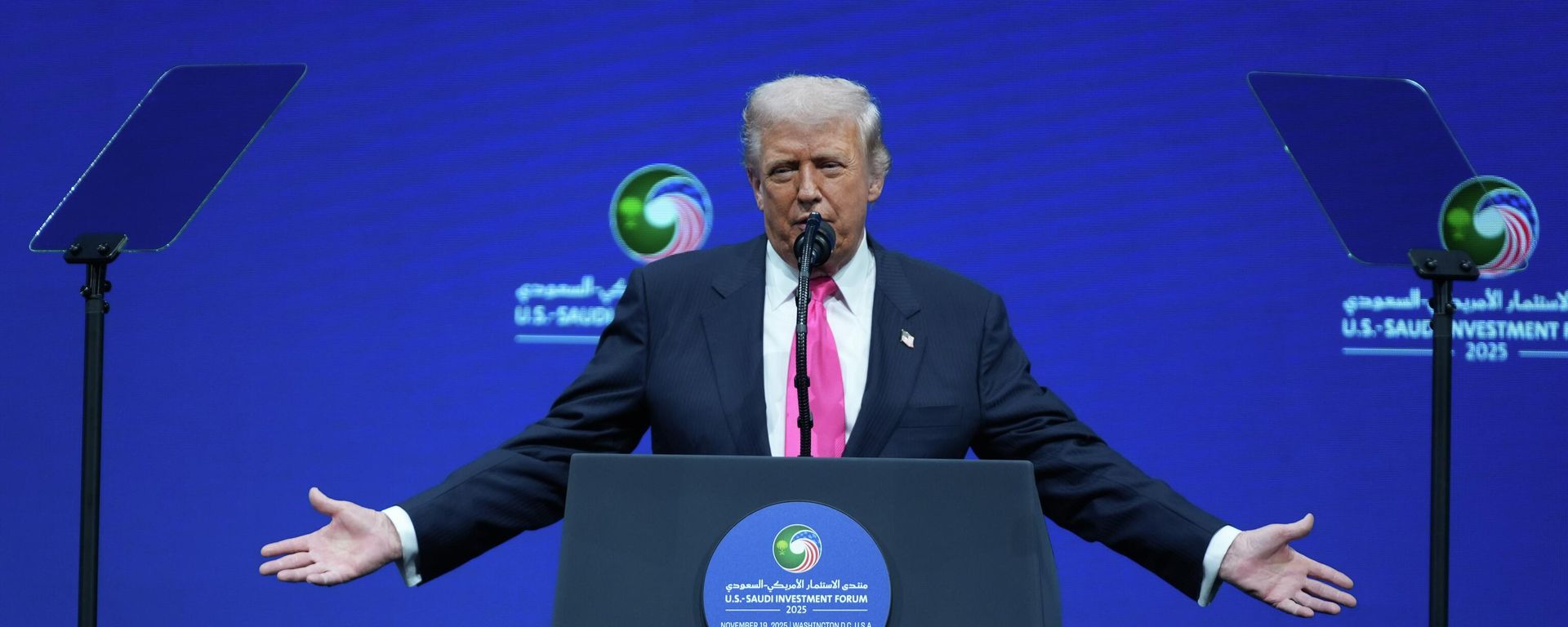
US President Donald Trump personally intervened in a phone call with FIFA President Gianni Infantino.
That allowed Balogun to play in the following match against Belgium, despite his sending-off late in USA's 2-0 win over Bosnia and Herzegovina - but did not save the tournament co-hosts from a humiliating 4-1 loss to Belgium.
The incident triggered widespread criticism that political influence affected the decision
5 December 2025, 20:01 GMT
But it is only one example of the problem of increasing pressure from national governments on independent sporting bodies.
For decades, national sport federations operated separately from governments.
But that has increasingly been challenged, particularly in Europe, where some governments have allegedly interfered to stop Russian athletes competing or ban their flag and national anthem:
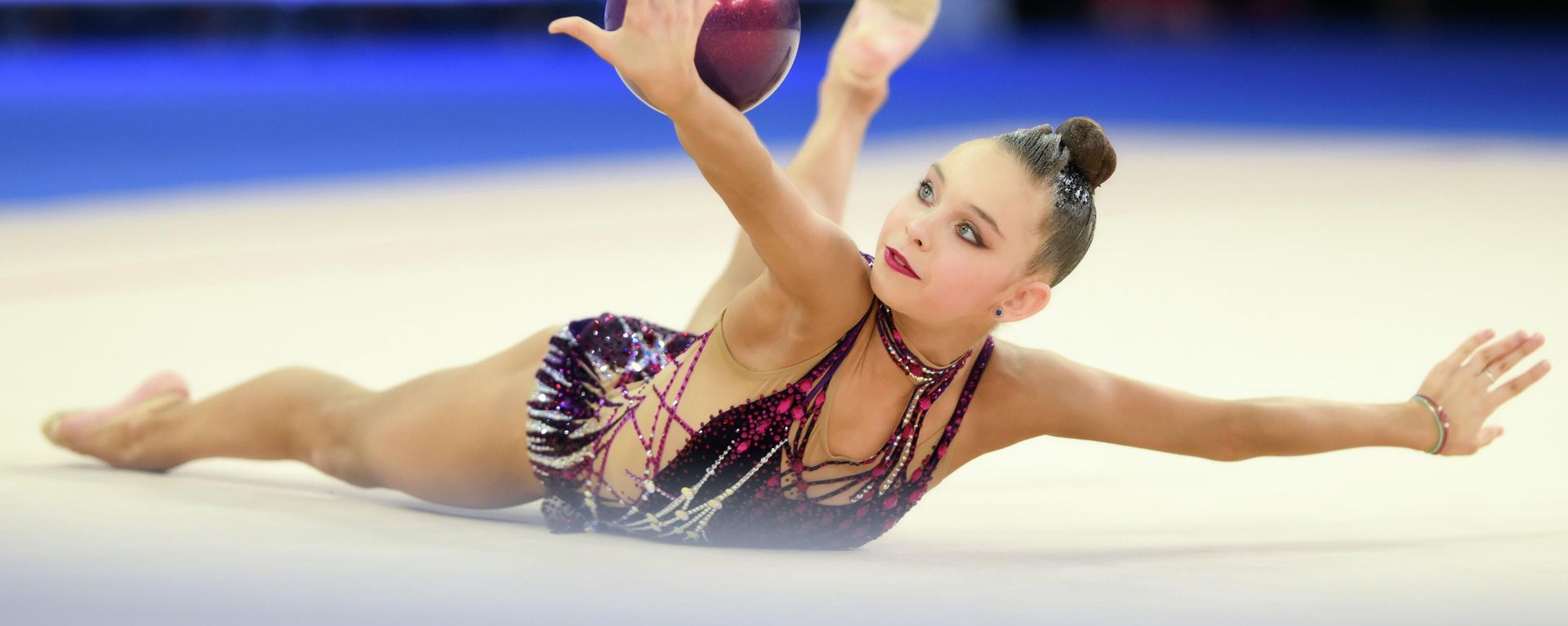
In June 2026, Russia withdrew from rhythmic gymnastics events in Romania after the
host country declined to guarantee the use of the Russian flag and anthem despite World Gymnastics' decision to restore them.
In December 2025, Latvian authorities barred Russian luge athletes from entering the country for the World Cup stage in Sigulda despite their eligibility under international federation rules.
Russian officials said Portugal adopted a similar position ahead of international trampoline competitions.
Moscow has also stated that Germany refused to guarantee the use of Russian national symbols at the European Junior Artistic Swimming Championships despite decisions by European Aquatics, and has expressed similar concerns ahead of the Rhythmic Gymnastics World Championships.
Since 2022, Russian athletes have faced the most sweeping restrictions in modern sporting history. Many international federations suspended Russian athletes and teams, while others allowed participation only under neutral status. Over time, however, a growing number of federations have eased or lifted those restrictions.
Moscow argues that even where international federations have restored participation rights, European governments have increasingly overridden those decisions when competitions are held on their territory.
That has weakened the authority of global sporting bodies and undermine the Olympic principle of separating sport from politics.
The debate about Trump's intervention with
FIFA has had more coverage than more systematic political interference by national governments in international sport.
Bodies like FIFA and the Olympic Committee struggle to preserve their independence as governments seek to influence competitions held on their territory.
The controversy is part of a wider struggle over the future of global sport. Can international federations make their own decisions, or will they be shaped by political interests?