https://sputnikglobe.com/20260911/brics-turns-20-new-delhi-summit-to-shape-next-phase-of-expanded-bloc-1124705563.html
BRICS Turns 20: New Delhi Summit to Shape Next Phase of Expanded Bloc
BRICS Turns 20: New Delhi Summit to Shape Next Phase of Expanded Bloc
Sputnik International
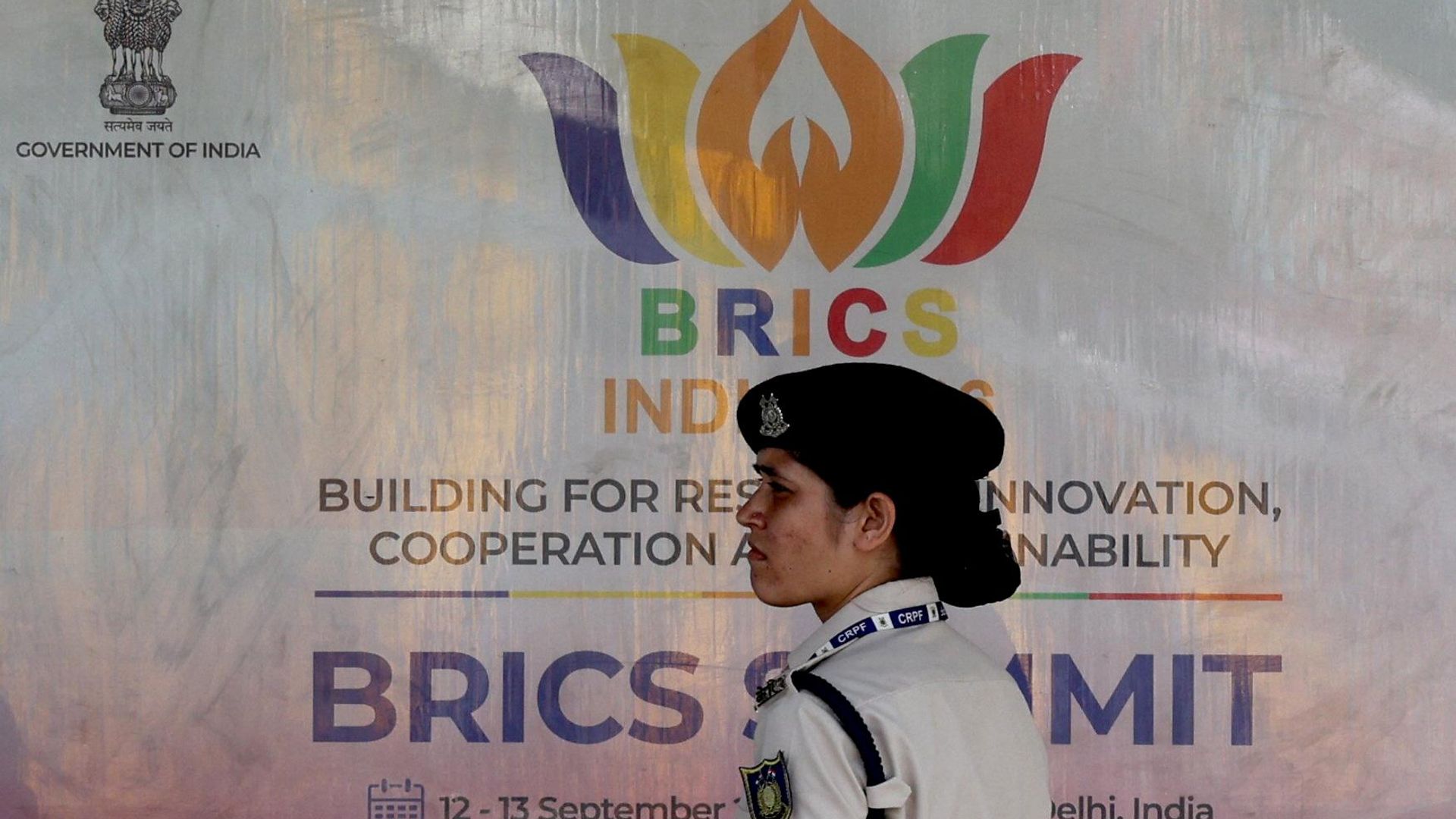
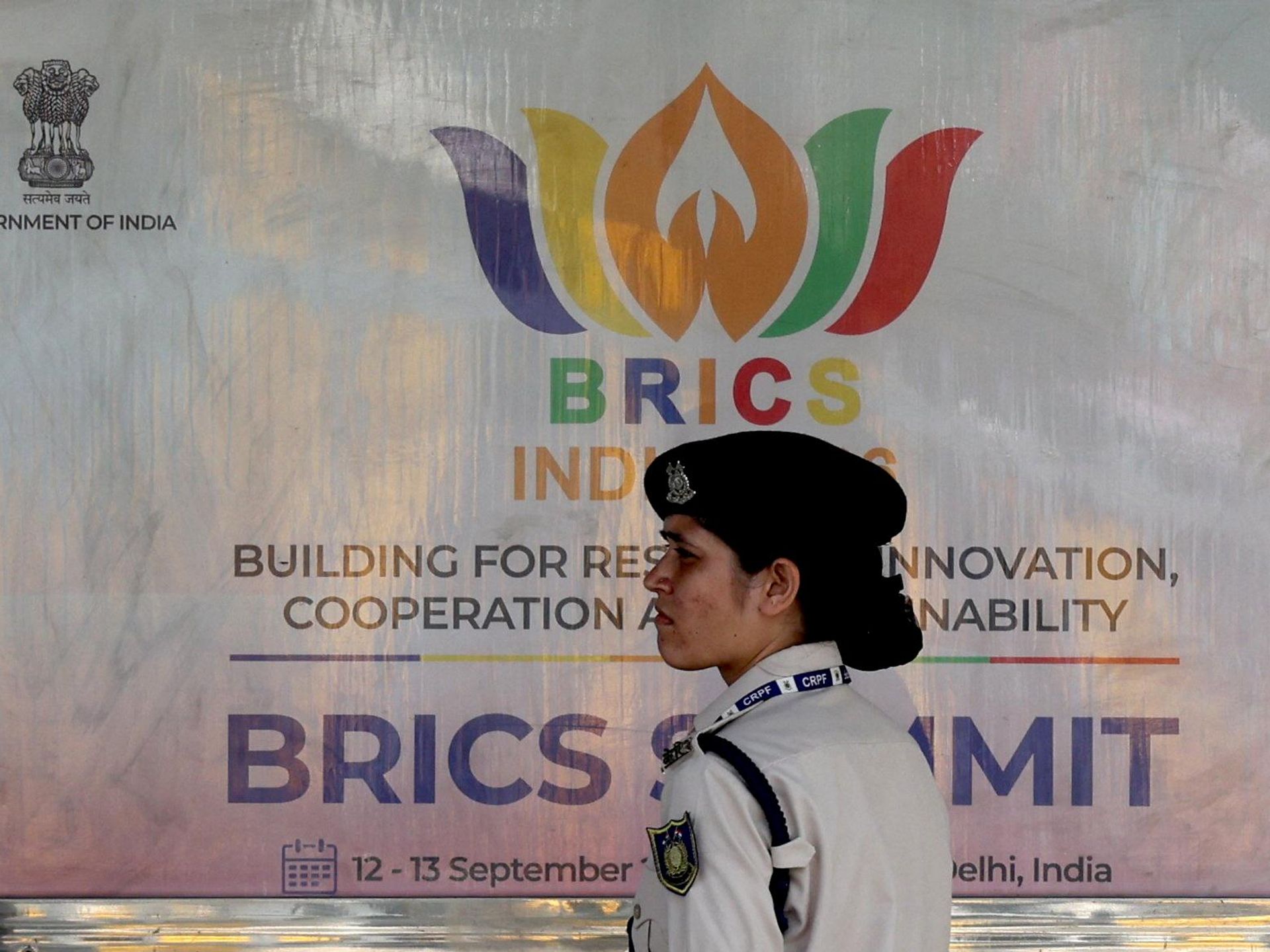
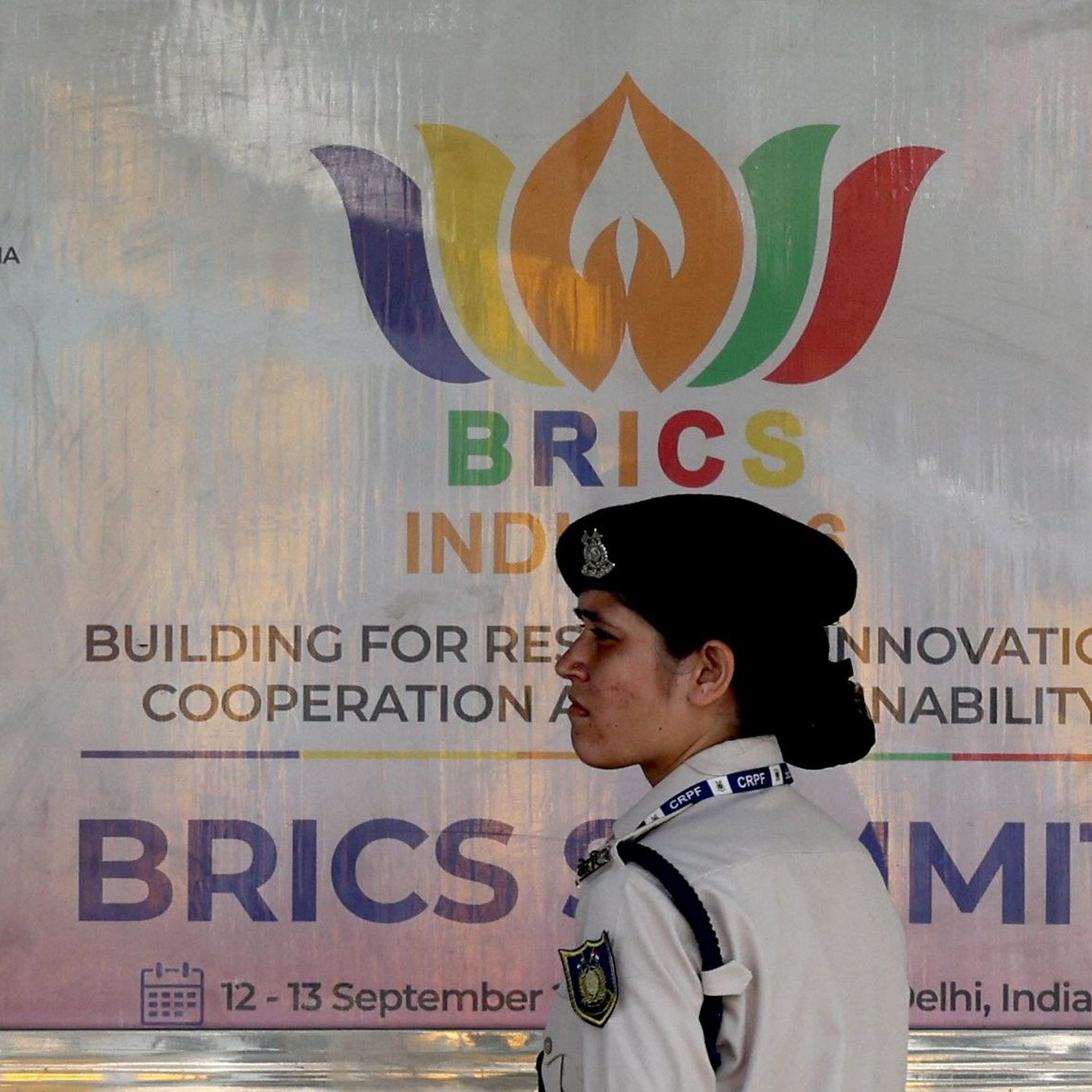
The 18th BRICS Summit, to be hosted by India in New Delhi on September 12–13, will bring together leaders of the expanded 11-member grouping, along with partner countries and outreach invitees, as the bloc seeks to translate its growing economic weight into deeper cooperation and greater influence on the global stage.
2026-09-11T16:00+0000
2026-09-11T16:00+0000
2026-09-11T16:00+0000
world
narendra modi
india
vladimir putin
russia
new delhi
delhi
new development bank (ndb)
brics
brics summit
https://cdn.imgsputnikglobe.com/img/07ea/09/0a/1124709793_0:92:1752:1077_1920x0_80_0_0_dadb26c4ff8f9cdac232929d93b8eeb4.jpg
Indian Prime Minister Narendra Modi will host the two-day BRICS summit at Bharat Mandapam, with trade, finance, cross-border payments, energy, emerging technologies and Global South priorities expected to dominate the agenda.The summit comes as BRICS marks 20 years of cooperation and enters a new phase following its expansion.The bloc now comprises Brazil, Russia, India, China, South Africa, Egypt, Ethiopia, Iran, Saudi Arabia, the UAE and Indonesia, while 10 partner countries — Belarus, Bolivia, Cuba, Kazakhstan, Malaysia, Nigeria, Thailand, Uganda, Uzbekistan and Vietnam — form part of the wider framework.Together, BRICS members account for about 49% of the world's population, 40% of global GDP and 26% of international trade, underscoring the bloc's growing influence in trade, energy, finance and international affairs.India’s BRICS PrioritiesIndia's fourth BRICS presidency is guided by the theme “Building for Resilience, Innovation, Cooperation and Sustainability”, with a people-centric “Humanity First” approach.New Delhi is seeking practical outcomes in:India is also seeking to leverage its experience with UPI and digital public infrastructure to strengthen financial connectivity among BRICS economies.Putin-Modi Meeting Adds Strategic WeightAhead of the BRICS summit, Russian President Vladimir Putin is scheduled to meet Prime Minister Narendra Modi on September 11 to review the India-Russia strategic partnership.Defence, energy, trade, investment and payment mechanisms are expected to feature in the talks.India and Russia maintain wide-ranging cooperation in defence, energy, nuclear power, space and trade.Bilateral trade reached nearly $60 billion in 2025–26 driven largely by India’s imports of Russian energy.The two countries are now pursuing a $100 billion trade target by 2030, with both sides working to improve payment mechanisms, logistics and market access.Xi’s Expected Presence Adds Another LayerThe expected participation of Chinese President Xi Jinping will add another strategic dimension to the summit.Xi's possible visit would be his first to India since the 2019 Mamallapuram informal summit, amid ongoing efforts by New Delhi and Beijing to manage their bilateral relationship.For India, BRICS provides a platform to engage China, Russia and other major emerging economies while keeping the focus on areas where broader consensus is possible — including development, trade, technology, energy and finance.A Bigger Voice for the Global SouthIndia is seeking a stronger voice for developing countries in global institutions, including greater representation in the United Nations and reform of the international financial architecture.The New Development Bank, established in 2015 with an authorised capital of $100 billion, remains a key BRICS mechanism for financing infrastructure and sustainable-development projects.For New Delhi, strengthening such institutions is part of a wider push for development finance, more inclusive global governance and stronger South-South cooperation.As BRICS marks two decades, the Delhi summit will test whether the expanded grouping can convert its economic and demographic weight into practical cooperation and greater global influence in an emerging multipolar order.
https://sputnikglobe.com/20260908/brics-membership-to-boost-indonesias-trade-reach-and-tech-opportunities--official-1124695117.html
russia
new delhi
delhi
Sputnik International
feedback@sputniknews.com
+74956456601
MIA „Rossiya Segodnya“
2026
Sputnik International
feedback@sputniknews.com
+74956456601
MIA „Rossiya Segodnya“
News
en_EN
Sputnik International
feedback@sputniknews.com
+74956456601
MIA „Rossiya Segodnya“
Sputnik International
feedback@sputniknews.com
+74956456601
MIA „Rossiya Segodnya“
narendra modi, india, vladimir putin, russia, new delhi, delhi, new development bank (ndb), brics, brics summit, logistics
narendra modi, india, vladimir putin, russia, new delhi, delhi, new development bank (ndb), brics, brics summit, logistics
BRICS Turns 20: New Delhi Summit to Shape Next Phase of Expanded Bloc
The 18th BRICS Summit, to be hosted by India in New Delhi on September 12–13, will bring together leaders of the expanded 11-member grouping, along with partner countries and outreach invitees, as the bloc seeks to translate its growing economic weight into deeper cooperation and greater influence on the global stage.
Indian Prime Minister Narendra Modi will host the two-day BRICS summit at Bharat Mandapam, with trade, finance, cross-border payments, energy, emerging technologies and Global South priorities expected to dominate the agenda.
The summit comes as BRICS marks 20 years of cooperation and enters a new phase following its expansion.
The bloc now comprises Brazil, Russia, India, China, South Africa, Egypt, Ethiopia, Iran, Saudi Arabia, the UAE and Indonesia, while 10 partner countries — Belarus, Bolivia, Cuba, Kazakhstan, Malaysia, Nigeria, Thailand, Uganda, Uzbekistan and Vietnam — form part of the wider framework.
Together, BRICS members account for about 49% of the world's population, 40% of global GDP and 26% of international trade, underscoring the bloc's growing influence in trade, energy, finance and international affairs.
India's fourth
BRICS presidency is guided by the theme “Building for Resilience, Innovation, Cooperation and Sustainability”, with a people-centric “Humanity First” approach.
New Delhi is seeking practical outcomes in:
Trade, investment and resilient supply chains
National-currency settlements and cross-border payments
MSME financing and digital trade
Artificial intelligence and emerging technologies
Development finance through the New Development Bank
Greater representation for the Global South in global institutions
India is also seeking to leverage its experience with UPI and digital public infrastructure to strengthen financial connectivity among BRICS economies.
Putin-Modi Meeting Adds Strategic Weight
Ahead of the
BRICS summit, Russian President Vladimir Putin is scheduled to meet Prime Minister Narendra Modi on September 11 to review the India-Russia strategic partnership.
Defence, energy, trade, investment and payment mechanisms are expected to feature in the talks.
India and Russia maintain wide-ranging cooperation in defence, energy, nuclear power, space and trade.
Bilateral trade reached nearly $60 billion in 2025–26 driven largely by India’s imports of Russian energy.
The two countries are now pursuing a $100 billion trade target by 2030, with both sides working to improve payment mechanisms, logistics and market access.
Xi’s Expected Presence Adds Another Layer
The expected participation of Chinese President Xi Jinping will add another strategic dimension to the summit.
Xi's possible visit would be his first to India since the 2019 Mamallapuram informal summit, amid ongoing efforts by New Delhi and Beijing to manage their bilateral relationship.
For India, BRICS provides a platform to engage China, Russia and other major emerging economies while keeping the focus on areas where broader consensus is possible — including development, trade, technology, energy and finance.
A Bigger Voice for the Global South
India is seeking a stronger voice for developing countries in global institutions, including greater representation in the United Nations and reform of the international financial architecture.
The New Development Bank, established in 2015 with an authorised capital of $100 billion, remains a key
BRICS mechanism for financing infrastructure and sustainable-development projects.
For New Delhi, strengthening such institutions is part of a wider push for development finance, more inclusive global governance and stronger South-South cooperation.
As BRICS marks two decades, the Delhi summit will test whether the expanded grouping can convert its economic and demographic weight into practical cooperation and greater global influence in an emerging multipolar order.